


 Saudi Arabia Probes Flydubai Cockpit Attack
  UK Sanctions Crypto Exchanges Linked to Russia
  Mike Rogers Calls for End to US-Canada Tariff War
  Circle Urges EU to Revise MiCA Stablecoin Rules
  US Charges Maduro and Wife With Torture Conspiracy
  EU Gives Crypto Platforms Three Months to Remove USDT Under MiCA Rules
  Italy Approves Electoral Reform Ahead of 2027 Election
  US Waives $320M Egypt Military Aid Conditions After Iran War Role
  Trump Rallies in Texas as Republicans Face Tight Midterm Races
  San Francisco Halts New Data Center Construction With 45-Day Moratorium
  Illinois Delays Crypto Tax Law Until July 2027
  CFTC Moves to Set New Crypto Rules After CLARITY Act Failure
  US-Taiwan Ties Remain Strong as Taipei Urges Timely Arms Deliveries
  US Treasury Drops Crypto Wallet Tracking Plan
  Marco Rubio Warns Russia-Ukraine War Could Spark Wider Conflict
  OpenAI, Anthropic Back Mandatory AI Breach Reporting in Australia
  US-Led Coalition Targets Global Factory Overcapacity


 Add as a preferred source on Google
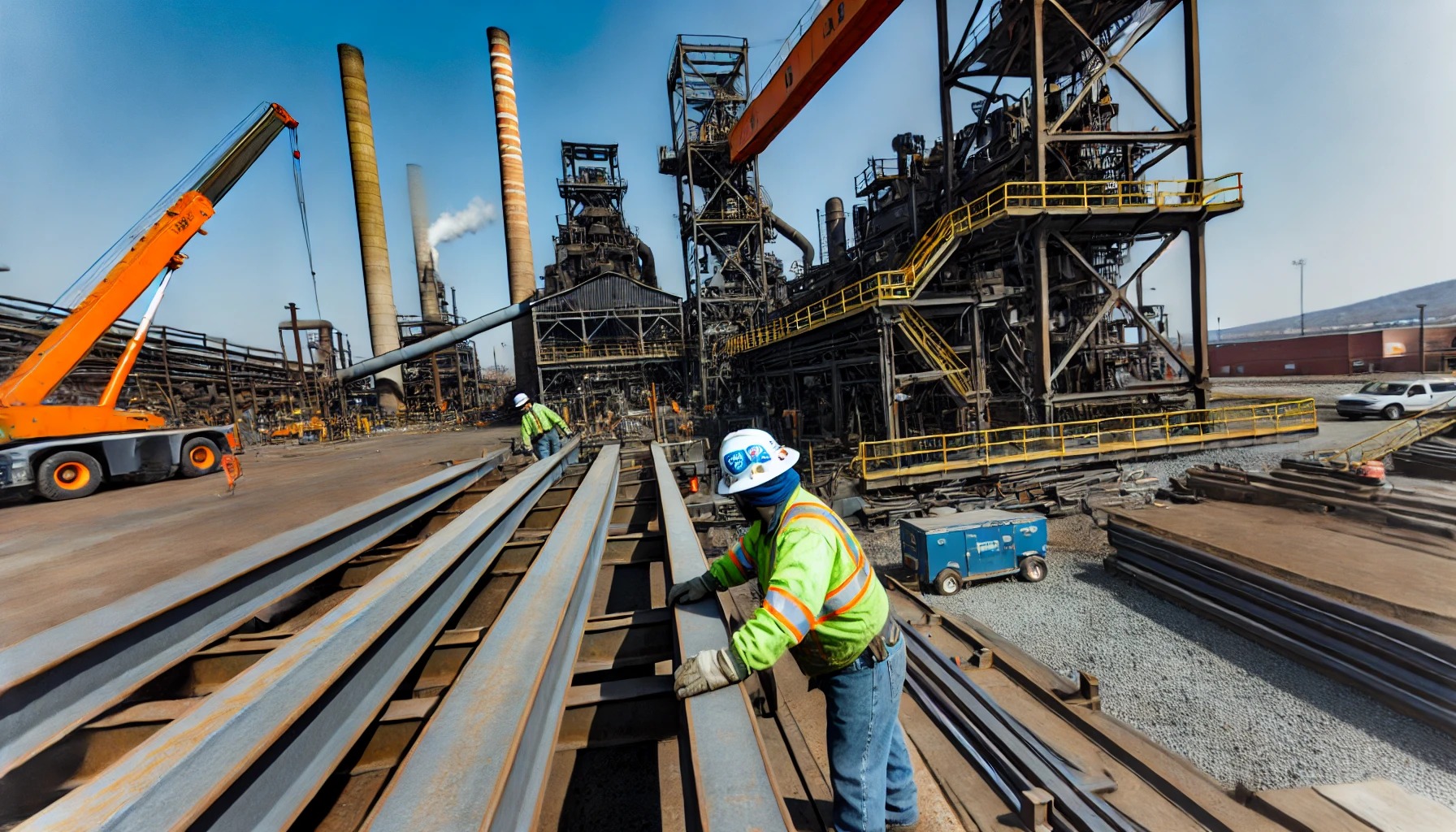
U.S. President Donald Trump has officially raised tariffs on steel and aluminum imports from 25% to 50%, citing national security concerns. The new duties, effective Wednesday, target both raw materials and derivative products. Trump stated the move aims to reduce America’s reliance on foreign metals and enhance the competitiveness of domestic producers.
In a proclamation published on the White House website, Trump said that unchecked steel and aluminum imports could "threaten to impair national security" and that higher tariffs would deter unfair trade practices like dumping. The revised tariffs also include downstream products made from these metals.
Notably, the United Kingdom will be exempt from the increased tariffs due to a prior trade agreement signed in early May. Imports from the UK will continue to be taxed at the original 25% rate.
While the administration claims the tariffs will benefit U.S. metal manufacturers, critics warn of higher costs for American businesses that depend on imported steel and aluminum. These additional costs are likely to be passed on to manufacturers and consumers, potentially weakening sectors such as automotive, construction, and heavy equipment.
Analysts note that transitioning to more domestic production could take years, with high upfront investments and infrastructure delays posing challenges. In the meantime, U.S. importers are expected to bear the brunt of rising expenses, adding pressure to local supply chains.
The tariff hike comes amid renewed trade tensions and marks a significant escalation in Trump’s protectionist trade policy. As industries brace for increased operational costs, the long-term impact on American manufacturing remains uncertain.







