


 San Francisco Halts New Data Center Construction With 45-Day Moratorium
  US, Greece Launch New Counterterrorism Security Program
  Illinois Delays Crypto Tax Law Until July 2027
  Trump Weighs FBI Probe Into Nolan Wells’ Death
  Marco Rubio Warns Russia-Ukraine War Could Spark Wider Conflict
  Crypto Rallies as CLARITY Act Failure Opens Door to Faster SEC Rules
  Zelenskiy Criticizes US as Russian Strikes Kill 78 in Ukraine
  Mike Rogers Calls for End to US-Canada Tariff War
  US Suspends Microsoft, Adobe From Green Card Program
  Florida Seeks Tougher Meta Rules to Protect Young Users
  Hegseth Praises USS Abraham Lincoln Crew After Record Iran War Deployment
  US-Led Coalition Targets Global Factory Overcapacity
  Trump Rallies in Texas as Republicans Face Tight Midterm Races
  New York Declares Measles Disaster Emergency as Cases Surge
  Mexico Bars Dual Citizens From Presidential Races Starting in 2028
  UK Warned Over Growing Reliance on US Cloud Providers
  EU Gives Crypto Platforms Three Months to Remove USDT Under MiCA Rules


 Add as a preferred source on Google
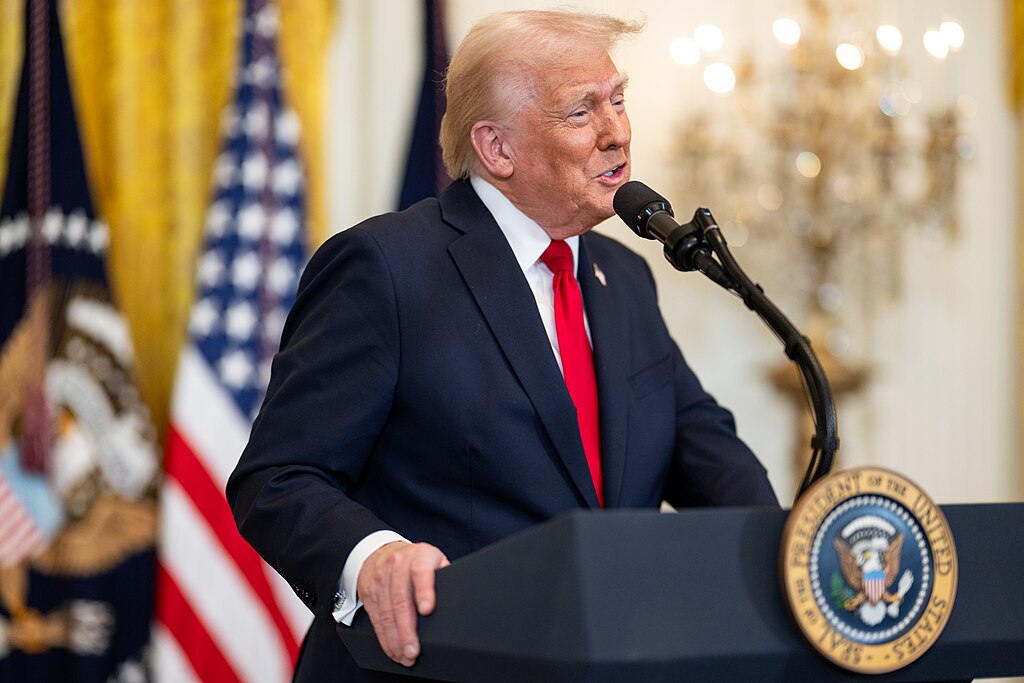
U.S. President Donald Trump’s new travel ban, set to take effect at 12:01 a.m. ET on Monday, prohibits entry from 12 countries, citing national security concerns. The executive order blocks travelers from Afghanistan, Myanmar, Chad, Republic of the Congo, Equatorial Guinea, Eritrea, Haiti, Iran, Libya, Somalia, Sudan, and Yemen. Citizens from seven additional nations, including Cuba, Venezuela, and Laos, will face partial restrictions.
The White House claims the affected countries either harbor terrorist threats, lack reliable identity verification systems, or fail to share critical criminal data. Trump pointed to a recent attack in Boulder, Colorado — where an Egyptian national threw a gasoline bomb into a pro-Israel crowd — as justification. Notably, Egypt is not included in the ban.
This policy echoes Trump’s earlier travel ban during his first term, which targeted several Muslim-majority nations and sparked widespread controversy. Critics argue the latest measure unfairly targets vulnerable populations, particularly asylum seekers. Representative Ro Khanna called the policy "draconian and unconstitutional," emphasizing the right to seek refuge.
Affected countries have begun responding. Chad’s President Mahamat Idriss Deby Itno announced a visa ban on U.S. citizens, expressing defiance and national pride. Meanwhile, Afghans who aided U.S. forces fear being forced back to Taliban-controlled regions, potentially facing severe retaliation.
The ban underscores Trump’s broader stance on restricting immigration, intensifying debate ahead of the 2026 election cycle. Human rights advocates and Democratic lawmakers have pledged to challenge the policy, warning of its humanitarian and diplomatic fallout.
The move is expected to spark legal and political challenges, while deepening divisions over U.S. immigration policy. As implementation begins, its impact on global mobility, international relations, and human rights remains under close scrutiny.







