


 White House Defends Trump’s FIFA Peace Prize Amid Global Criticism
  US Waives Iran Sanctions for 60 Days as Peace Talks Advance and Lebanon Sees Calm
  Trump Threatens Stadium Deal Over Washington Commanders Name
  Australia Plans Higher Fines for Social Media Firms Failing to Block Underage Users
  EU Chip Industry Faces Growing Risks From China Export Controls and U.S. Technology Dependence: Report
  U.S. Plans $115 Million Counter-Drone Investment to Secure FIFA World Cup and Major National Events
  Super Micro Shares Slide After Taiwan Raids Over Alleged Nvidia AI Chip Smuggling Probe
  FBI Faces Historic Security Challenge Ahead of 2026 FIFA World Cup
  Mexico President Claudia Sheinbaum Reconsiders Early School Closure Plan Ahead of 2026 World Cup
  Trump Urges Hall of Fame Induction for Roger Clemens Amid Renewed Debate
  Trump Reports $1.4 Billion in Crypto Income as Digital Assets Become Top Wealth Source
  Australia Sues Amazon Over Prime Video Ads and Subscription Terms
  France Battles Mediterranean Wildfires as Heatwave Fuels Fire Risk
  Trump to Host UFC Event at White House on His 80th Birthday
  Amy Coney Barrett Faces Conservative Backlash After Key Supreme Court Rulings Against Trump
  Brazil to Phase Out Gasoline Subsidy First as Diesel Support Stays Longer
  Spying, Southampton and economic pressure cooker of the ‘richest match in football’


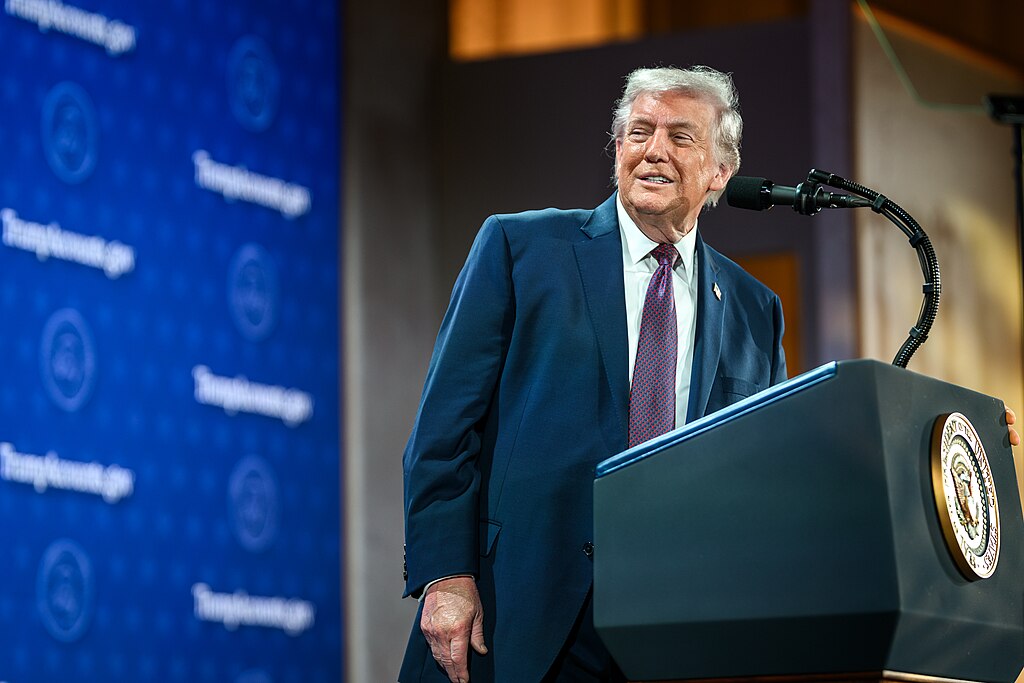
U.S. President Donald Trump said Friday that the rapidly increasing costs associated with college football programs are harming collegiate athletics overall and pledged to introduce a new executive order within the next week aimed at addressing the issue.
Speaking at a gathering in the White House East Room that included lawmakers, college sports commissioners, coaches, and former athletes, Trump stressed the urgency of reforming the current system. He warned that soaring spending tied to name, image, and likeness (NIL) deals is placing significant financial pressure on universities and threatening the stability of non-revenue college sports programs.
“We have to save college sports,” Trump said during the meeting, emphasizing that Congress should ultimately pass legislation to regulate NIL compensation. However, he acknowledged that his planned executive order could face legal challenges and may ultimately be tested in the courts.
The president previously signed an executive order in July aimed at restricting certain third-party recruiting payments to college athletes in high-revenue sports such as football and men’s basketball. The goal of that directive was to preserve funding for women’s sports and other athletic programs that generate less revenue.
Trump indicated that the upcoming executive order will be broader and more comprehensive than the earlier measure. He pointed to the rapidly growing value of NIL contracts, particularly for college football players, as a key factor driving rising costs across athletic departments.
Until 2021, the National Collegiate Athletic Association (NCAA) prohibited student-athletes from earning money from their name, image, and likeness. That policy changed after a U.S. Supreme Court ruling prompted the NCAA to allow athletes to receive compensation, transforming the landscape of college athletics.
Trump said the financial impact on universities has been substantial. “The amount of money being spent and lost by otherwise very successful schools is astounding,” he said. While expressing nostalgia for the former scholarship-based system, he acknowledged that returning to it is unrealistic.
Lawmakers are also weighing legislative solutions. The U.S. House of Representatives has been considering a bill that would create a national framework for NIL agreements. House Speaker Mike Johnson said the measure may now have enough support to pass the chamber.
Despite optimism from some lawmakers, Trump expressed doubts about whether Congress would act quickly. As a result, he plans to move forward with an executive order based on proposals discussed during the White House meeting and allow courts to determine its legality.
Former Alabama football coach Nick Saban also spoke at the event, advocating for a structured revenue-sharing model in college athletics. Saban said new rules should also address eligibility concerns, noting that some athletes can remain in college sports for six or seven years, competing well into their mid-20s.
House Majority Leader Steve Scalise proposed limiting how often athletes can transfer between schools. He supported the idea of allowing only one transfer and restricting players to five years of competition.
While football and basketball dominate college sports revenue, officials warned that cuts to smaller programs could harm the United States’ pipeline for Olympic sports. Many Olympic athletes develop through college athletics programs, making the broader health of collegiate sports an important national concern.
Notably, the White House discussion did not include any currently active college athletes, despite the policies directly affecting them.







