


 Mastercard Explores Sale of Majority Stake in UK Payments Firm Vocalink: Report
  Trump Tells Congress Iran Hostilities Restarted, Citing New 60-Day War Powers Window
  SoftBank Corp Partners With Sierra to Expand AI Customer Support Across Japan
  Russia Launches Missile and Drone Attacks on Kyiv, Zaporizhzhia, and Kharkiv
  Oppenheimer Sees CNH Industrial as Top 2026 Agriculture Stock Pick on Dealer Consolidation Strategy
  Kitron Q2 Revenue Beats Estimates as Defense Demand Lifts Growth
  OpenAI Executive Fidji Simo to Step Down Amid Health Challenges Ahead of IPO
  Israel Sets October 27 Election as Netanyahu Faces Tough Political Test
  Fast Retailing Raises Full-Year Forecast After Uniqlo Owner Beats Q3 Profit Estimates
  Apple Tests China's CXMT Memory Chips as DRAM Maker Gains Global Market Share
  TSMC Q2 Revenue Surges 36% as AI Chip Demand Powers Growth Ahead of Earnings
  OpenAI GPT-5.6 Set for Wider Release After U.S. Commerce Approval, Report Says
  SK Hynix’s $28B U.S. IPO Draws Strong Demand as AI Chip Boom Fuels Investor Interest
  EU Ministers Split as Support Grows for Ban on Trade With Israeli West Bank Settlements
  Samsung Chairman Lee Jae-yong Expected to Meet Nvidia CEO Jensen Huang on AI and Chip Partnership
  Nvidia Tightens AI Chip Sales in Asia With Stricter Customer Approval Process
  Stellantis Q2 Vehicle Shipments Rise 10% as North America Drives Growth


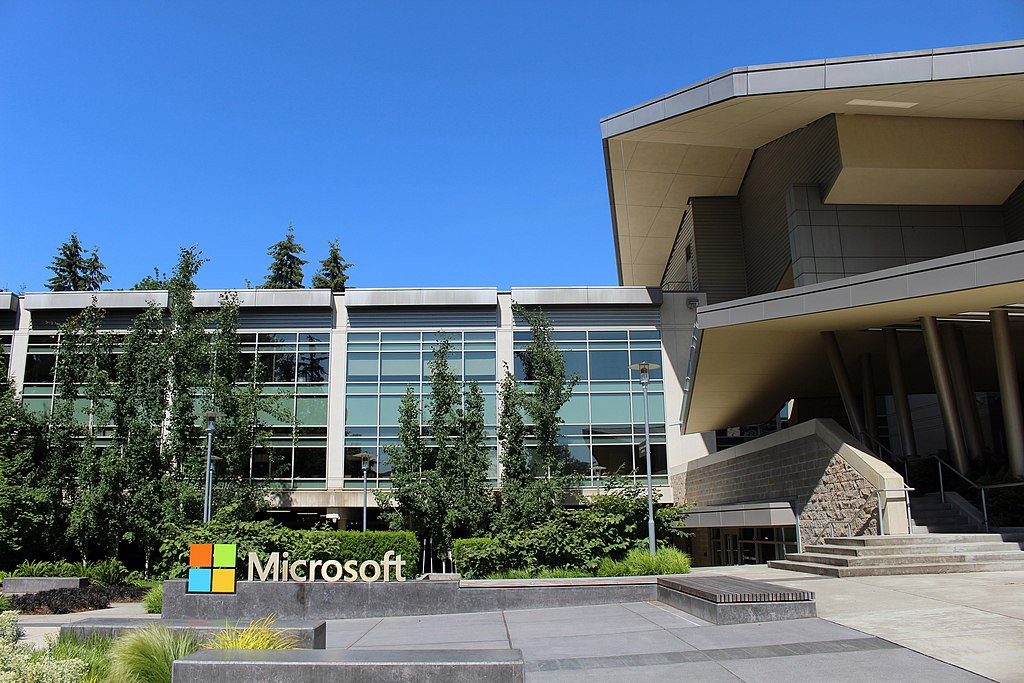
President Donald Trump announced during his State of the Union address that his administration is urging major technology companies to build and operate their own power plants to support energy-intensive data centers. The proposal, described as a “rate payer protection pledge,” aims to shield American consumers from rising electricity costs linked to the rapid expansion of artificial intelligence infrastructure.
Trump said the U.S. power grid is outdated and unable to handle the growing electricity demand driven by AI data centers and cloud computing facilities. By requiring large tech firms to generate their own electricity, the administration believes it can reduce strain on the national grid while stabilizing power prices for households and small businesses. According to Trump, companies that rely heavily on energy for AI development will be responsible for securing their own power supply, ensuring reliable operations without passing additional costs onto consumers.
The White House is expected to meet with leading technology companies in early March to formalize the initiative, though specific firms were not named. The policy comes as communities across the country raise concerns about energy-hungry data center projects contributing to higher utility bills and increased pressure on local infrastructure.
The issue has gained political significance ahead of the November midterm elections, as Republicans seek to balance support for artificial intelligence innovation with concerns over consumer electricity rates. The Trump administration continues to promote AI development to remain competitive with China, but energy affordability remains a key voter concern.
Meanwhile, PJM Interconnection, the largest U.S. grid operator, recently proposed that new large power users either supply their own generation or reduce consumption during peak demand. Major tech companies, including Microsoft and Anthropic, have also announced voluntary measures to minimize the impact of AI data centers on electricity prices, signaling a broader industry shift toward sustainable energy solutions.







