


 U.S. Military Strikes on Iran Complicate Xi-Trump Summit and Expose China’s Energy Risks
  AI is already creeping into election campaigns. NZ’s rules aren’t ready
  Pentagon Downplays ‘Endless War’ Fears After U.S. Strikes on Iran Escalate Conflict
  European Allies Deploy Air Defenses to Cyprus After Drone Attack on RAF Akrotiri Base
  Iran Detains U.S. Citizens Amid Escalating Conflict With the United States and Israel
  Why did Iran bomb Dubai? A Middle East expert explains the regional alliances at play
  Rubio Says U.S. Would Not Target School After Deadly Iran Strike Reports
  Middle East Air War Triggers Massive Flight Cancellations and Global Airline Disruptions
  Santander’s $12.2B Webster Financial Deal Faces Uncertainty Amid U.S.–Spain Trade Tensions
  Trump Defends Extended U.S.-Israel Military Campaign Against Iran
  U.S. Middle East Strikes Raise Indo-Pacific Security Concerns for Japan, South Korea, and Taiwan
  U.S. Begins Charter Evacuations as Iran Conflict Disrupts Middle East Air Travel
  Does international law still matter? The strike on the girls’ school in Iran shows why we need it
  Trump to Attend White House Correspondents’ Dinner 2026, Ending Long Boycott
  Trump Offers U.S. Insurance and Naval Escort for Tankers as Strait of Hormuz Crisis Disrupts Global Oil Trade
  Supreme Court Backs GOP Lawmaker in New York Redistricting Fight Ahead of Midterms
  Nepal General Election 2026: Youth Protests, Political Change, and a New Generation of Voters


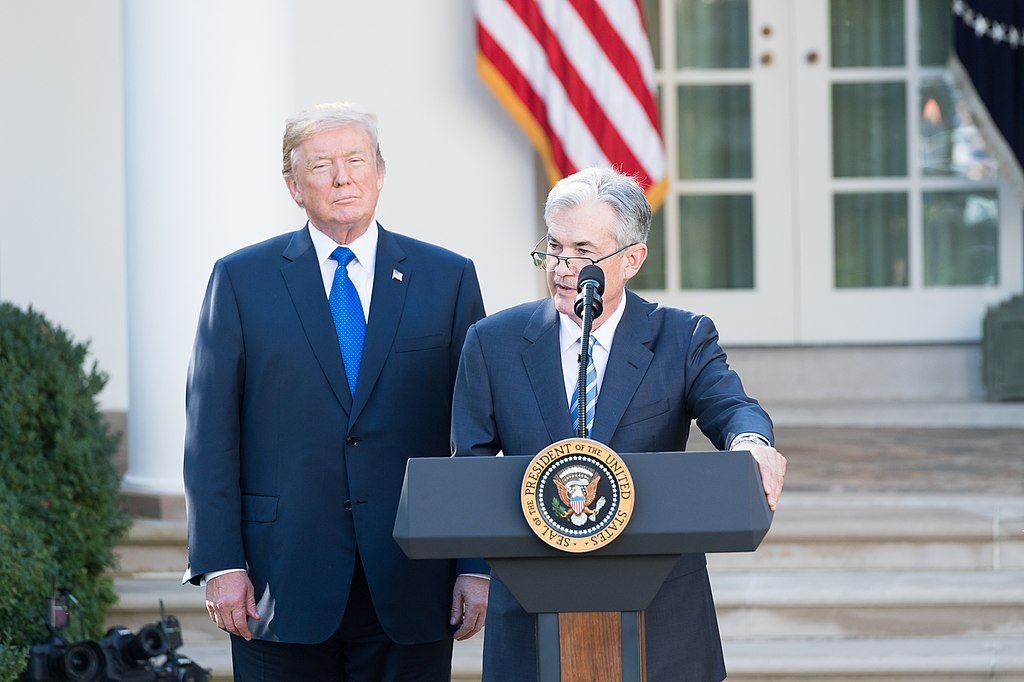
U.S. President Donald Trump said on Wednesday that he currently has no plans to remove Federal Reserve Chair Jerome Powell, even as the Department of Justice has reportedly threatened the central banker with a criminal investigation. In comments to Reuters, Trump stated, “I don’t have any plan to do that,” while adding that it was still “too early” to determine his final decision. He did not clarify whether the investigation could provide legal grounds for Powell’s dismissal, keeping uncertainty around the Fed leadership firmly in focus.
The investigation centers on alleged cost overruns related to the Federal Reserve’s headquarters renovation. Powell disclosed earlier this week that he is under criminal investigation but denied any wrongdoing, arguing that the probe is being used as political pressure due to his refusal to comply with Trump’s repeated calls for lower interest rates. The disclosure has intensified concerns about the independence of the U.S. central bank, a topic that has become increasingly sensitive as Trump prepares to nominate the next Federal Reserve chair.
Powell’s term as Fed chair is set to expire in May, though he has the option to remain on the Federal Reserve’s Board of Governors until 2028. Trump told Reuters that he is leaning toward appointing either former Fed Governor Kevin Warsh or National Economic Council Director Kevin Hassett as Powell’s successor. Praising both candidates, Trump said, “The two Kevins are very good,” and indicated that an announcement could come within the next couple of weeks.
Despite mounting criticism from lawmakers, including members of his own party who have emphasized the importance of an independent Federal Reserve, Trump appeared dismissive. He brushed aside concerns, telling Reuters that lawmakers “should be loyal.” The comments have added to market uncertainty, as investors closely monitor developments related to U.S. monetary policy, the Federal Reserve’s autonomy, and Trump’s influence over economic institutions.
As the situation unfolds, markets and policymakers alike remain alert to how the investigation and upcoming nomination could shape the future direction of U.S. interest rates and economic policy.













