


 Japan PM Sanae Takaichi Unveils Growth Plan as BOJ Independence Concerns Lift Bond Yields
  Nikkei Plunges 5% as AI Stock Selloff Spreads Across Asia
  Germany Producer Prices Rise 1.8% in June, Missing Forecasts
  European Earnings Season Gains Strength as Barclays Sees Broader Profit Recovery
  ASEAN Ministers Warn Middle East Conflict Threatens Regional Stability and Energy Security
  ASEAN Summit Faces Pressure as U.S.-Iran Conflict, South China Sea Tensions Dominate Agenda
  Hungary President Tamas Sulyok Removed After Constitutional Amendment Signed
  US-Iran Conflict Escalates as Gulf Attacks Threaten Global Oil Supply
  FBI Director Kash Patel Plans Russia Visit in October, Report Says
  US Launches New Strikes on Iran After Deadly Attack on American Troops in Jordan
  US, China to Hold AI Talks Ahead of Xi’s September Visit
  Japan Core Inflation Seen Rising in June, Strengthening BOJ Rate Hike Outlook
  US-Iran Conflict Escalates as US Completes Eighth Night of Strikes, Regional Tensions Rise
  Malaysia Q2 Economy Grows 5.8%, Beating Forecasts on Strong Tech Exports and Domestic Demand
  ECB Expected to Hold Rates as Middle East Tensions Keep September Hike in Focus
  Trump Says Qatari-Donated Air Force One Jet to Undergo Security Upgrades Soon
  Gold Prices Slip Near $4,000 as U.S.-Iran Conflict Fuels Inflation Fears


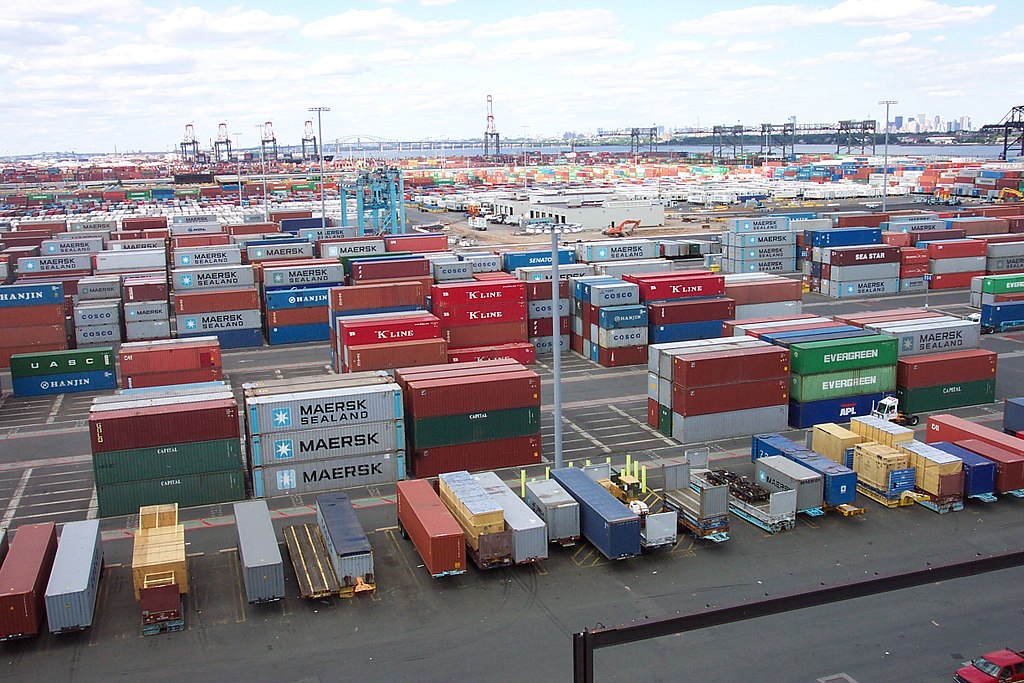
U.S. President Donald Trump is expected to introduce a fresh round of tariffs on dozens of countries as early as this week, according to a report by the Financial Times. The move comes as the administration's temporary 10% global tariff is scheduled to expire on Friday, signaling a potential shift in U.S. trade policy.
The report said the initial wave of new tariffs is likely to remain close to the current 10% rate imposed on imported goods from multiple countries. However, the Trump administration is also pursuing separate trade investigations that could provide the legal basis to impose significantly higher tariffs in the future.
If implemented, the new measures could affect a broad range of trading partners and further reshape global commerce. The administration has consistently argued that tariffs are necessary to protect American industries, strengthen domestic manufacturing, and address what it considers unfair trade practices by foreign governments.
The Financial Times noted that officials are exploring additional legal mechanisms that would allow the White House to expand its tariff authority beyond the existing framework. Those investigations could pave the way for more aggressive trade actions if the administration determines that certain imports threaten U.S. economic or national security interests.
The expected announcement comes as businesses, investors, and international trading partners closely monitor Washington's trade agenda. Any expansion of tariffs could have implications for global supply chains, import costs, and financial markets, particularly for countries heavily reliant on exports to the United States.
Reuters said it was unable to independently verify the Financial Times report. The White House has not yet officially confirmed the timing or scope of the proposed tariffs.
With the current 10% global tariff set to expire this week, markets are watching for further details on whether the administration will maintain existing duties, introduce broader tariffs, or pursue higher rates under new legal authorities. The upcoming decision is expected to play a key role in shaping U.S. trade policy and international economic relations in the months ahead.







