


 Hong Kong Leader Defends 20-Year Sentence for Jimmy Lai
  Bangladesh Secures Reduced 19% U.S. Tariff in Landmark Trade Agreement
  Australian Leaders Call for Calm After Sydney Protests Turn Violent
  Trump Administration Appeals Court Order to Release Hudson Tunnel Project Funding
  NATO Command Reshuffle Signals Shift Toward Greater European Military Leadership
  UK Condemns Israel’s West Bank Expansion Plans, Urges Immediate Reversal
  India–US Trade Deal: Digital Tax Removal and $500 Billion Purchase Commitment Signal Major Policy Shift
  Trump Congratulates Japan’s First Female Prime Minister Sanae Takaichi After Historic Election Victory
  U.S. to Deploy 200 Troops to Nigeria to Train Military Against Islamist Militants
  Ghislaine Maxwell to Invoke Fifth Amendment at House Oversight Committee Deposition
  China Signals Strategic Rare Earth Push Amid Rising U.S. Competition
  Zelenskiy Orders Overhaul of Ukraine’s Air Defence as Russian Attacks Intensify
  Trump Weighs Second U.S. Aircraft Carrier Deployment as Iran Talks Resume
  White House Reaffirms Trump’s Support for Commerce Secretary Howard Lutnick Amid Epstein Links
  Trump Set to Visit Beijing for High-Stakes Talks With Xi Jinping
  FAA Confirms $1.5 Billion Peraton Contract as U.S. Air Traffic Control Overhaul Accelerates
  U.S. Appeals Court Allows Trump Administration to End TPS for Honduras, Nepal, Nicaragua Migrants


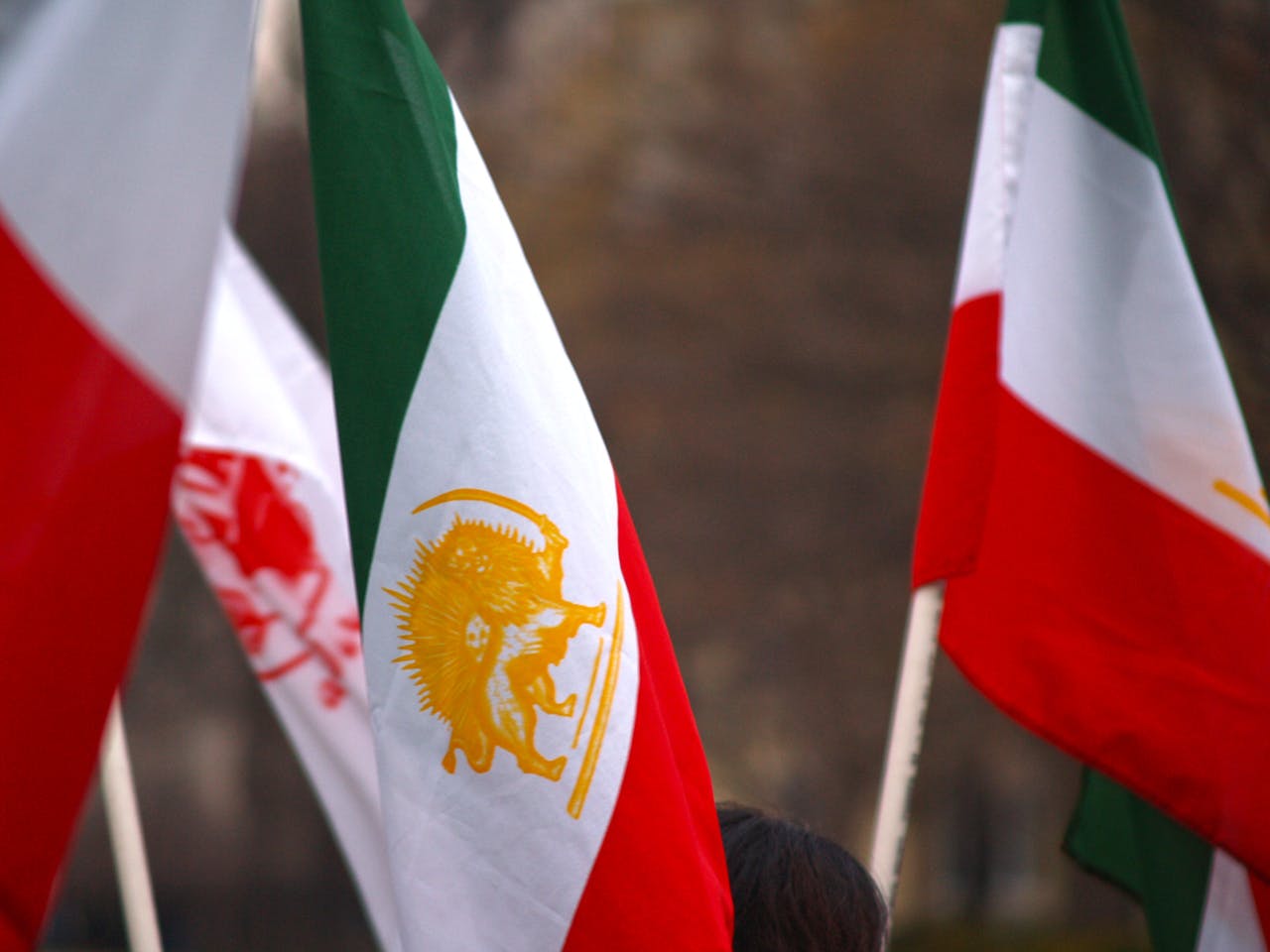
U.S. President Donald Trump said on Tuesday that he believes Iran is interested in reaching a deal with the United States over its nuclear ambitions and ballistic missile program, signaling a potential opening for renewed diplomacy amid ongoing geopolitical tensions. Speaking during an interview on Fox Business Network’s “Kudlow” program, Trump stated that Iran would be “foolish” not to pursue an agreement, suggesting that negotiations could be in Tehran’s best interest.
Trump’s comments come at a time of heightened scrutiny over Iran’s nuclear activities and its development of ballistic missiles, which the United States and its allies view as a significant threat to regional and global security. The former president emphasized that Washington remains open to a deal but made it clear that the alternative could involve much tougher actions if diplomacy fails.
Earlier the same day, Trump reinforced his stance in remarks to Israel’s Channel 12 news outlet. He warned that the situation would reach a critical point if no agreement is achieved, stating that the United States would have to “do something very tough” should negotiations break down. This statement underscored his long-standing approach of combining diplomatic pressure with the threat of decisive measures.
Throughout his presidency, Trump pursued a hardline policy toward Iran, including withdrawing the United States from the 2015 Iran nuclear deal, formally known as the Joint Comprehensive Plan of Action (JCPOA). Since then, relations between Washington and Tehran have remained strained, with repeated disputes over sanctions, uranium enrichment, and missile testing.
Trump’s latest remarks suggest that despite years of confrontation, there may still be room for dialogue if Iran is willing to address U.S. concerns regarding its nuclear program and missile capabilities. Analysts note that any potential U.S.–Iran deal would likely require strict verification measures and clear limitations to ensure compliance.
As global attention remains focused on Middle East stability and nuclear nonproliferation, Trump’s statements have renewed discussion about the future of U.S.–Iran relations and whether a negotiated solution is still achievable.













