


 ICC Rules Duterte Fit to Stand Trial in Drug War Case
  CFTC Moves to Set New Crypto Rules After CLARITY Act Failure
  EU Gives Crypto Platforms Three Months to Remove USDT Under MiCA Rules
  US Grants Aurora Five-Year Exemption for Self-Driving Trucks
  UK Sanctions Crypto Exchanges Linked to Russia
  Australia Probes Flydubai Co-Pilot’s Links After FZ1073 Hijack Attempt
  Illinois Delays Crypto Tax Law Until July 2027
  US-Led Coalition Targets Global Factory Overcapacity
  Saudi Airport Attacks Kill Three as Yemen Fighting Escalates
  Mexico Bars Dual Citizens From Presidential Races Starting in 2028
  US Suspends Microsoft, Adobe From Green Card Program
  EU Rejects Italy, Greece Calls for Fiscal Rule Flexibility
  US-Taiwan Ties Remain Strong as Taipei Urges Timely Arms Deliveries
  Russia Targets Danish Ukraine Suppliers in Sabotage Campaign
  Trump Says He Deserves 2026 Nobel Peace Prize Despite Uncertain Chances
  Tsai Warns of China’s Sustained Pressure on Taiwan


 Add as a preferred source on Google
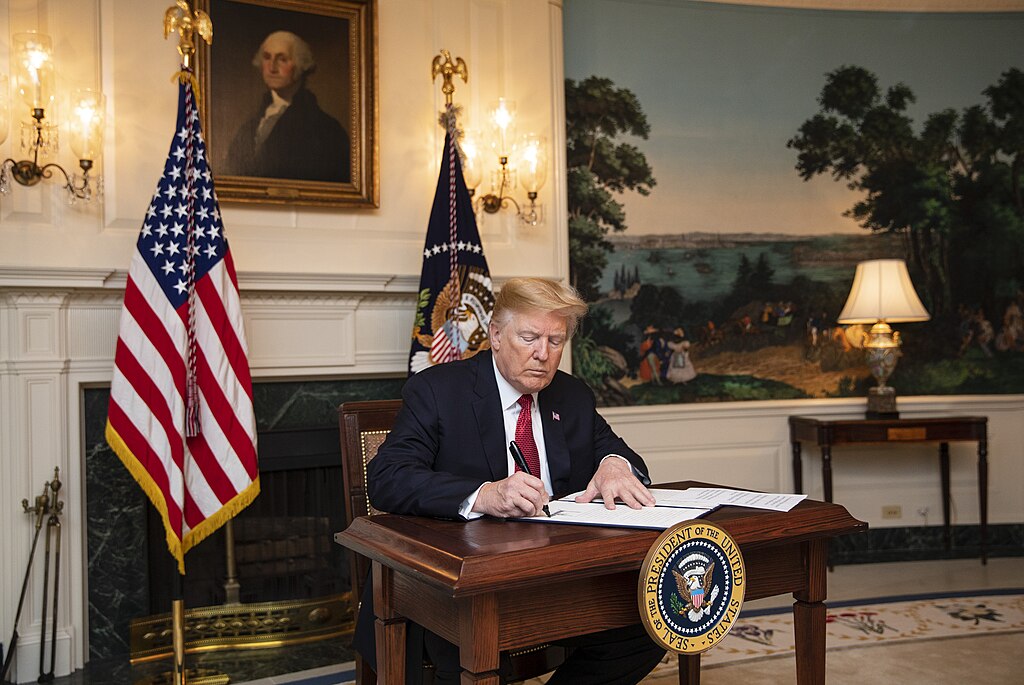
U.S. President Donald Trump signed an executive order on Monday aimed at slashing prescription drug prices by aligning them with international rates. The move directs pharmaceutical companies to meet government-set pricing targets within 30 days or face further regulatory action, including possible tariffs and rulemaking to enforce price reductions.
Trump cited a personal anecdote of a weight-loss drug costing $88 in London versus $1,300 in the U.S. as a motivator. The U.S. continues to pay the highest prices for medications globally—nearly three times more than other developed nations. Trump emphasized that Americans should pay no more than patients in other countries, echoing his long-standing campaign promise to fight inflation and reduce consumer costs.
The order proposes allowing direct-to-consumer drug imports and explores export restrictions for pharmaceutical ingredients contributing to domestic price gaps. It also instructs the Federal Trade Commission to crack down on anti-competitive practices in the industry, such as pay-for-delay deals that prevent cheaper generics from entering the market.
Despite initial investor concerns, the pharmaceutical sector rebounded, with shares of major drugmakers like Pfizer, Merck, and Gilead Sciences climbing after the order’s announcement. Analysts and legal experts noted the plan lacks detailed implementation strategies and is likely to face legal challenges over its scope, particularly regarding drug imports and international price benchmarking.
Industry trade group PhRMA criticized the move, calling it a threat to innovation and warning it could reduce investment in new treatments. Still, the administration insists the order is a bold step toward fair drug pricing and consumer relief.
As legal battles loom, the effectiveness of the order will hinge on its enforcement—and whether it survives scrutiny from both courts and powerful industry players.







