


 OpenAI Annualized Revenue Hits $50 Billion, Below Earlier Estimates
  Australia Probes Flydubai Co-Pilot’s Links After FZ1073 Hijack Attempt
  Trump Says He Deserves 2026 Nobel Peace Prize Despite Uncertain Chances
  Illinois Delays Crypto Tax Law Until July 2027
  Maduro, Wife May Face New US Torture Charges
  Trump Buys Up to $25M in Meta Stock, Invests in SpaceX Debt
  Gate Launches Gate Money as Crypto Super App Race Heats Up
  Trump Weighs FBI Probe Into Nolan Wells’ Death
  Levi Strauss Beats Q3 Profit Estimates, Raises 2026 Outlook
  Italy Approves Electoral Reform Ahead of 2027 Election
  US Suspends Microsoft, Adobe From Green Card Program
  Broadcom, Oracle and SpaceX Seek Billions in Private Debt for AI Expansion
  Starbucks Explores Chipotle Acquisition as Shares Swing
  New York Declares Measles Disaster Emergency as Cases Surge
  TSMC Q3 Revenue Beats Estimates as AI Chip Demand Surges


 Add as a preferred source on Google
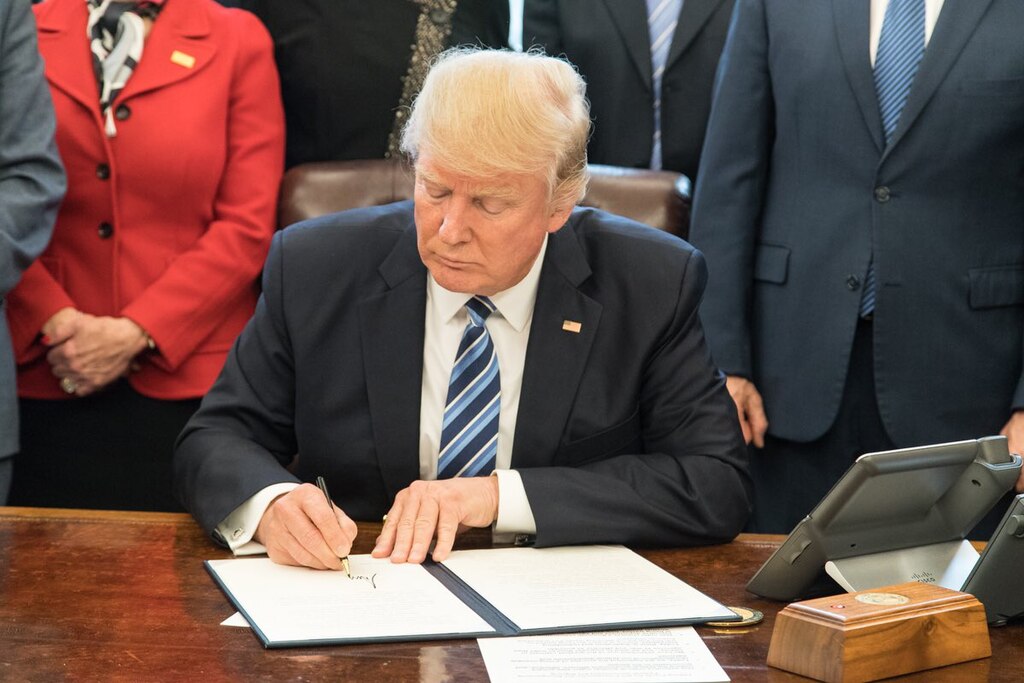
U.S. President Donald Trump has signed an executive order confirming his plan to sell TikTok’s American operations to U.S. and international investors, aiming to meet the national security requirements of the 2024 law that mandates the app’s divestiture. Enforcement of the law, which would otherwise ban TikTok in the U.S., has been postponed until December 16 to allow time for restructuring the deal and securing approval from both American regulators and the Chinese government.
Vice President JD Vance announced that the new U.S.-based TikTok company will be valued at around $14 billion, far below some Wall Street estimates. While ByteDance, TikTok’s Chinese parent, is valued at over $330 billion, analysts such as Wedbush’s Dan Ives estimate TikTok’s worth in the $30 billion to $40 billion range without its key algorithm. Ownership of this algorithm remains one of the most contentious details in the negotiations.
According to sources, a group led by Oracle and Silver Lake will acquire about 50% of TikTok U.S., while existing ByteDance investors such as KKR, General Atlantic, and Susquehanna International Group will hold around 30%. ByteDance itself will retain less than 20% in order to comply with U.S. law, but will still appoint one of seven board members, with the remaining seats controlled by Americans. Other high-profile investors, including Michael Dell and Rupert Murdoch, are also expected to participate.
Trump emphasized that the deal ensures TikTok will remain “American-operated all the way,” while protecting the privacy of its 170 million U.S. users. He credited TikTok with helping him connect with voters, noting his own 15 million followers on the app.
Although the White House has not explained the low $14 billion valuation, investor interest remains strong, with reports indicating additional global partners like Abu Dhabi’s MGX may secure a stake. Lawmakers have urged transparency to guarantee the deal fully severs ties with the Chinese government and safeguards American data.
This sale marks a critical step in resolving one of the most closely watched technology and national security disputes between Washington and Beijing.







