


 NASA Partners with Katalyst to Save Swift Observatory with Innovative Docking Mission
  Novo Nordisk Stock Surges After FDA Approves Wegovy Pill for Weight Loss
  Japan Election 2026: Sanae Takaichi Poised for Landslide Win Despite Record Snowfall
  SpaceX Seeks FCC Approval for Massive Solar-Powered Satellite Network to Support AI Data Centers
  TSMC Eyes 3nm Chip Production in Japan with $17 Billion Kumamoto Investment
  Trump Endorses Japan’s Sanae Takaichi Ahead of Crucial Election Amid Market and China Tensions
  U.S. Announces Additional $6 Million in Humanitarian Aid to Cuba Amid Oil Sanctions and Fuel Shortages
  Sanofi’s Efdoralprin Alfa Gains EMA Orphan Status for Rare Lung Disease
  Astronomers have discovered another puzzling interstellar object − this third one is big, bright and fast
  SoftBank Shares Slide After Arm Earnings Miss Fuels Tech Stock Sell-Off
  TrumpRx.gov Highlights GLP-1 Drug Discounts but Offers Limited Savings for Most Americans
  Palantir Stock Jumps After Strong Q4 Earnings Beat and Upbeat 2026 Revenue Forecast
  China to Add Eli Lilly’s Mounjaro to National Health Insurance in 2025
  Panama Supreme Court Voids CK Hutchison Port Concessions, Raising Geopolitical and Trade Concerns
  Oracle Plans $45–$50 Billion Funding Push in 2026 to Expand Cloud and AI Infrastructure
  U.S. Justice Department Removes DHS Lawyer After Blunt Remarks in Minnesota Immigration Court


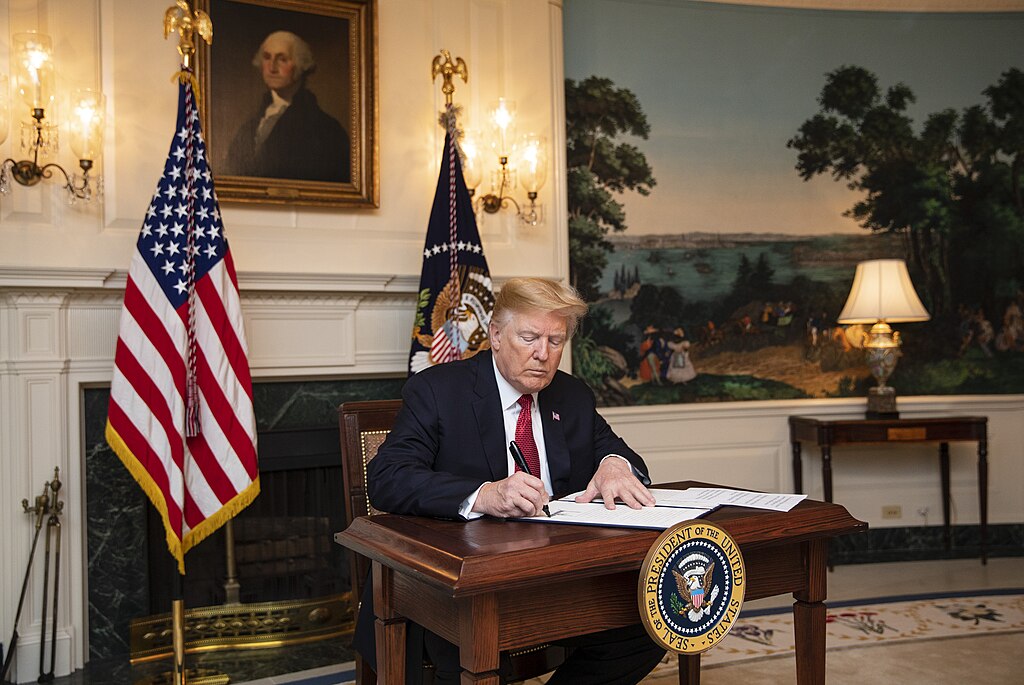
U.S. President Donald Trump has signed an executive order aimed at expanding the use of artificial intelligence (AI) in pediatric cancer research. The order provides an additional $50 million in research grants to accelerate progress in finding cures for childhood cancers, according to White House officials.
This move builds on the National Cancer Institute’s (NCI) Childhood Cancer Data Initiative, a decade-long, $500 million program launched in 2019 to collect and share vital data on pediatric cancers. Michael Kratsios, director of the White House Office of Science and Technology Policy, highlighted that childhood cancer remains the leading cause of disease-related deaths among children in the United States, with cases rising more than 40% since 1975.
Kratsios noted that advances in AI can now be harnessed to sharpen diagnoses, improve clinical trials, fine-tune treatment strategies, and enhance prevention methods. Data gathered through the NCI initiative is expected to empower researchers with new tools to tackle the complexity and diversity of pediatric cancers.
In addition to the $50 million in grants, the National Institutes of Health (NIH) will double its commitment by investing another $50 million. This funding aims to attract leading scientific teams through competitive research opportunities. Further investments are also anticipated to strengthen ongoing initiatives.
The announcement comes despite Trump’s 2026 budget proposal, which suggested a 37% cut to the NCI budget. Lawmakers in both the House and Senate, however, have pushed back against these cuts, and budget negotiations remain ongoing.
Globally, the World Health Organization reports that around 400,000 children and adolescents are diagnosed with cancer each year. While advances in adult cancer research have surged with AI, pediatric cancer research has lagged due to challenges like cancer rarity, diversity, and ethical concerns over patient data protection.
By reinforcing funding and leveraging AI, the administration aims to close this gap and accelerate life-saving innovations in childhood cancer treatment.













