


 Trump Reportedly Approves Plan to Remove FDA Commissioner Marty Makary Amid Growing Controversies
  AstraZeneca Shares Sink After Wainua Trial Misses Key Heart Disease Goal
  Yaskawa Electric Shares Slide as Weak Profit Overshadows Strong AI Demand
  Hantavirus Cruise Ship Outbreak Triggers Global Health Alert
  France Keeps Top Health Alert as Officials Brace for Another Heatwave
  Supreme Court Blocks 5th Circuit Ruling on Abortion Pill Access
  SK Hynix Soars 13% in Nasdaq Debut After Record $26.5 Billion IPO
  Morgan Stanley Says China’s Reusable Rocket Progress Poses Long-Term Challenge to SpaceX
  RFK Jr. Orders Extended Hantavirus Quarantine for Cruise Passenger
  TrumpRx Expands Discount Drug Access With 600 Generic Medications
  US Tightens Ebola Controls as Congo Outbreak Sparks Global Concern
  Supreme Court Asked to Reinstate Mail-Order Access to Abortion Pill Mifepristone
  Goldman AM Sees Strong Buyout Opportunities in Japan, South Korea and Australia
  Mastercard Explores Sale of Majority Stake in UK Payments Firm Vocalink: Report
  Australia Flags Child Safety Gaps at Apple, Meta, Google Over Online Sexual Extortion
  CDC Expands Ebola Screening Efforts at U.S. Entry Points Amid Congo and Uganda Outbreak
  Genesis Minerals to Acquire Vault in A$5.6 Billion Deal After Regis Withdraws


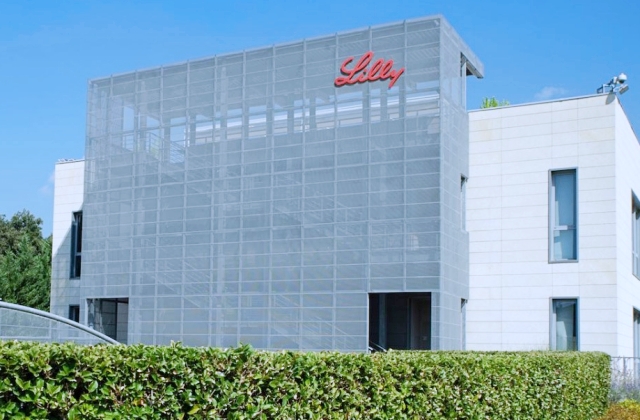
Eli Lilly’s diabetes drug Mounjaro is set to join China’s state-run health insurance reimbursement list on January 1, according to the National Healthcare Security Administration. The move is expected to significantly expand access to the once-weekly injectable therapy for millions of people living with type 2 diabetes in the world’s most populous nation.
China’s inclusion of a treatment in the national reimbursement scheme typically drives widespread adoption due to lower out-of-pocket costs. However, while insurance coverage often boosts prescription volume, it can also reduce revenue per unit because pharmaceutical companies negotiate lower prices with the government. Lilly has not yet disclosed the finalized reimbursement price for Mounjaro.
Mounjaro entered the Chinese market in early 2024 following the growing success of Ozempic, a competing diabetes medication developed by Novo Nordisk. Ozempic has been available in China since 2021 and was added to the reimbursement list in 2022. Its strong market presence helped fuel sales of 5.76 billion Danish crowns (about $898.5 million) in the Greater China region in 2024, according to Novo Nordisk’s annual report.
Beyond diabetes management, China also approved Mounjaro for obesity and obstructive sleep apnea, expanding its potential reach as demand for metabolic health treatments continues to rise.
Eli Lilly’s international president, Patrik Jonsson, noted during an October earnings call that Mounjaro experienced strong “initial stocking” in major global markets outside the U.S., including China, Brazil, Mexico, and India. He added that performance improved further in the third quarter, contributing to the drug’s robust global momentum.
With Mounjaro now joining China’s reimbursement program, analysts expect increased competition in the rapidly growing diabetes and weight-management drug market, while patients stand to benefit from broader and more affordable access to innovative therapies.







