


 Tsai Warns of China’s Sustained Pressure on Taiwan
  Australia Probes Flydubai Co-Pilot’s Links After FZ1073 Hijack Attempt
  Merz Warns of Extremism After AfD Gains Power in Saxony-Anhalt
  Mexico Bars Dual Citizens From Presidential Races Starting in 2028
  Marco Rubio Warns Russia-Ukraine War Could Spark Wider Conflict
  France to Release 10 Million Barrels of Diesel to Ease Fuel Prices
  US Suspends Microsoft, Adobe From Green Card Program
  San Francisco Halts New Data Center Construction With 45-Day Moratorium
  US-Taiwan Ties Remain Strong as Taipei Urges Timely Arms Deliveries
  Kalshi Wins CFTC Approval for S&P 500 Perpetual Futures
  US Grants Aurora Five-Year Exemption for Self-Driving Trucks
  OpenAI, Anthropic Back Mandatory AI Breach Reporting in Australia
  UK Warned Over Growing Reliance on US Cloud Providers
  UK Sanctions Crypto Exchanges Linked to Russia
  Fairshake Backs 32 Pro-Crypto House Candidates
  Italy Approves Electoral Reform Ahead of 2027 Election


 Add as a preferred source on Google
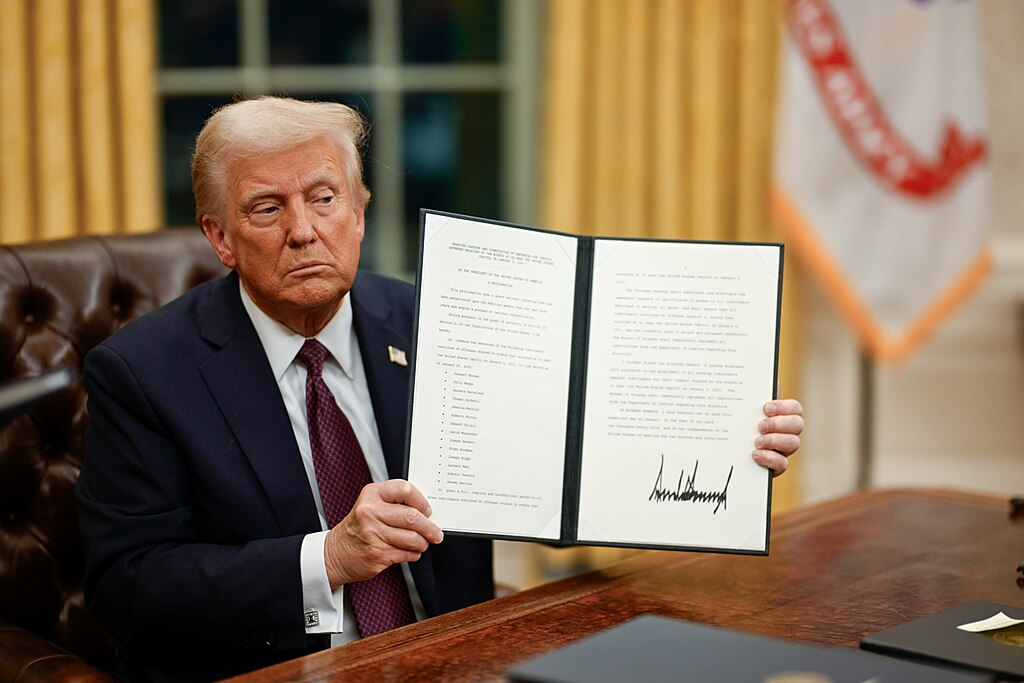
U.S. President Donald Trump signed an executive order on April 9 aimed at revitalizing American shipbuilding and curbing China’s growing control over the global shipping industry. The order proposes significant investments in U.S. shipbuilding and infrastructure while targeting Chinese-linked maritime activities.
The directive instructs the U.S. Trade Representative (USTR) to finalize a plan by April 17 that could impose million-dollar port docking fees on ships associated with Chinese-built or Chinese-flagged fleets. Tariffs may also target ship-to-shore cranes and other cargo handling equipment made in China or by companies under Chinese influence. Lawmakers from both parties, including Senators Mark Kelly and Todd Young, expressed support and plan to reintroduce bipartisan legislation to strengthen U.S. maritime capacity.
The USTR, led by Jamieson Greer, emphasized that not all proposed measures will be implemented, noting ongoing evaluation based on public feedback to minimize supply chain disruption and inflation. The order also directs the Department of Homeland Security to enforce harbor maintenance fee collection and stop fee evasion via Canadian and Mexican ports.
Trump stressed the urgent need to rebuild domestic shipbuilding capabilities, citing that the U.S. now produces less than 1% of global commercial ships, compared to China’s 50%. The executive order establishes a Maritime Security Trust Fund to ensure sustainable funding for the sector, possibly sourced from new tariffs, fines, and fees. It also includes incentives for private investment in shipyard upgrades, dry docks, and the domestic manufacturing of ship components.
With the U.S. shipbuilding industry struggling since its peak in the 1970s, the new policy aims to regain competitiveness and secure national maritime security, while encouraging allied nations to adopt similar strategies.







