


 Zelenskiy Criticizes US as Russian Strikes Kill 78 in Ukraine
  US Waives $320M Egypt Military Aid Conditions After Iran War Role
  Trump Orders Firing Squad Execution for Fort Hood Gunman
  Trump Weighs FBI Probe Into Nolan Wells’ Death
  Crypto Rallies as CLARITY Act Failure Opens Door to Faster SEC Rules
  OpenAI, Anthropic Back Mandatory AI Breach Reporting in Australia
  Apple Names Steve Smith M&A Chief in Leadership Shakeup
  JPMorgan CEO Jamie Dimon Warns Mythos AI Raises Cyber Risk Tenfold
  Hegseth Praises USS Abraham Lincoln Crew After Record Iran War Deployment
  US Suspends Microsoft, Adobe From Green Card Program
  Amazon Cuts More Jobs as AI Investment Expands
  Trump Says He Deserves 2026 Nobel Peace Prize Despite Uncertain Chances
  Mexico Bars Dual Citizens From Presidential Races Starting in 2028
  Mike Rogers Calls for End to US-Canada Tariff War
  Florida Seeks Tougher Meta Rules to Protect Young Users
  Broadcom, Oracle and SpaceX Seek Billions in Private Debt for AI Expansion
  San Francisco Halts New Data Center Construction With 45-Day Moratorium


 Add as a preferred source on Google
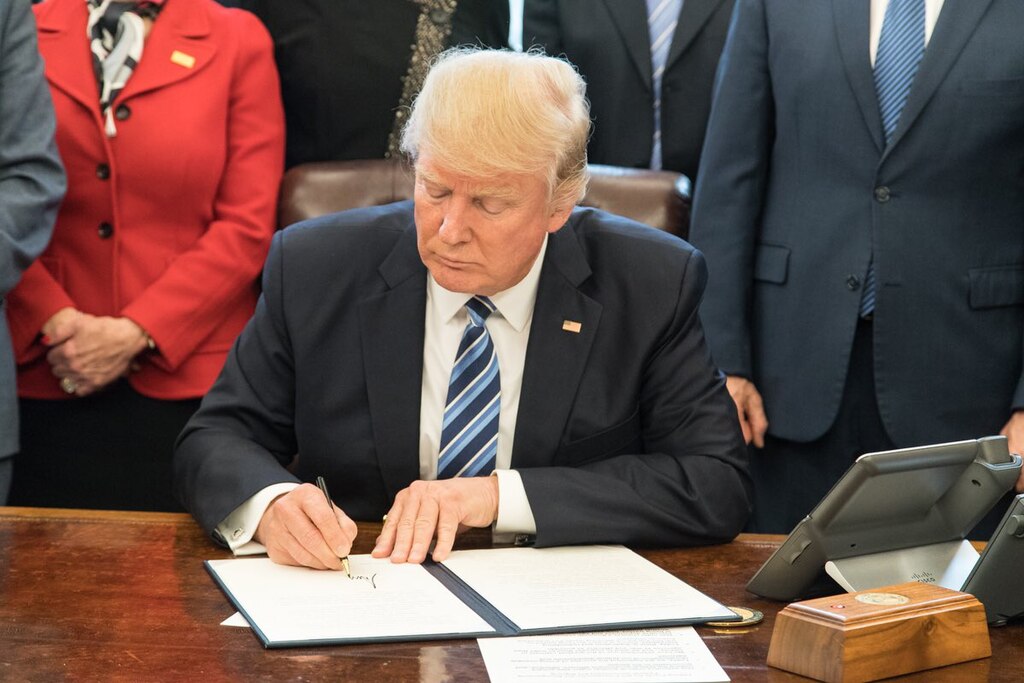
U.S. President Donald Trump on Thursday signed a sweeping executive order aimed at creating a unified national framework for regulating artificial intelligence, marking a significant shift in how AI governance is handled in the United States. The move is designed to curb the growing patchwork of state-level AI laws by centralizing regulatory authority at the federal level and establishing Washington as the primary overseer of artificial intelligence policy.
According to President Trump, the executive order establishes “one central source of approval” for AI regulation, giving federal agencies broader power to review, challenge, and potentially override state laws that are deemed overly restrictive or burdensome to innovation. The administration argues that inconsistent state regulations could slow technological development, increase compliance costs, and weaken the country’s global competitiveness in artificial intelligence.
While the order seeks to streamline AI oversight, Trump emphasized that it does not eliminate all state authority. Certain protections, particularly those related to children’s safety and other narrowly defined areas, are exempt from federal preemption. The administration maintains that the goal is balance: encouraging AI innovation while preserving essential safeguards.
Despite these assurances, the executive order has drawn criticism from state officials across party lines. Governors and attorneys general have voiced concerns that the federal government is overreaching and undermining states’ ability to protect consumer privacy, civil rights, and local interests. Several states, including California and Florida, have already enacted AI-related legislation addressing issues such as deepfakes, algorithmic transparency, and risk mitigation, and officials argue those laws reflect region-specific needs.
In a related announcement, the Trump administration introduced new federal requirements for AI vendors seeking government contracts. Under the new rules, companies developing large language models must assess and disclose potential political bias within their systems to qualify for federal procurement. The administration says the measure is intended to promote neutrality, trust, and accountability in AI technologies used by the government.
Together, these actions signal a more centralized and assertive federal approach to artificial intelligence regulation, setting the stage for ongoing legal, political, and industry debates over the future of AI governance in the United States.







