


 Saudi Airport Attacks Kill Three as Yemen Fighting Escalates
  UK Sanctions Crypto Exchanges Linked to Russia
  EU Gives Crypto Platforms Three Months to Remove USDT Under MiCA Rules
  US Government Moves $1 Billion in Bitcoin Amid Sale Speculation
  Mexico Bars Dual Citizens From Presidential Races Starting in 2028
  US-Taiwan Ties Remain Strong as Taipei Urges Timely Arms Deliveries
  Crypto Rallies as CLARITY Act Failure Opens Door to Faster SEC Rules
  US Grants Aurora Five-Year Exemption for Self-Driving Trucks
  Marco Rubio Warns Russia-Ukraine War Could Spark Wider Conflict
  Trump Weighs FBI Probe Into Nolan Wells’ Death
  Australia Probes Flydubai Co-Pilot’s Links After FZ1073 Hijack Attempt
  US Treasury Drops Crypto Wallet Tracking Plan
  CFTC Moves to Set New Crypto Rules After CLARITY Act Failure
  Trump Orders Firing Squad Execution for Fort Hood Gunman
  Mike Rogers Calls for End to US-Canada Tariff War
  US, EU Push for Action Against Asia’s Excess Factory Capacity
  US-Led Coalition Targets Global Factory Overcapacity


 Add as a preferred source on Google
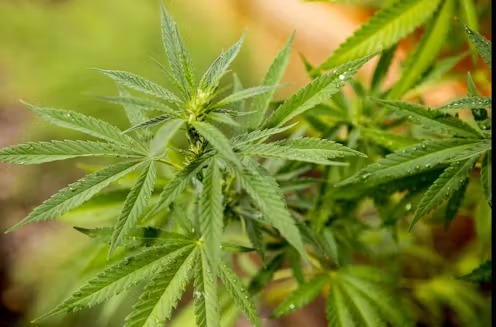
U.S. President Donald Trump said he is considering an executive order to reclassify marijuana as a less dangerous drug, a move that could significantly reshape federal cannabis policy and the broader marijuana industry. If enacted, the decision would represent one of the most substantial changes to U.S. drug regulation in decades, potentially easing criminal penalties, expanding scientific research, and improving access to funding for cannabis companies.
Speaking to reporters in the Oval Office, Trump said his administration is seriously evaluating whether marijuana should be treated as a Schedule III substance under the U.S. Controlled Substances Act. “We are looking at that very strongly,” he said, noting that public support for reclassification continues to grow. Trump emphasized that current restrictions limit medical and scientific research, adding that reclassification would unlock opportunities that are currently blocked under federal law.
At present, marijuana is classified as a Schedule I drug, alongside substances such as heroin and ecstasy, indicating a high potential for abuse and no accepted medical use. This federal status contrasts sharply with state-level laws, as many U.S. states allow marijuana for medical or recreational purposes. Moving cannabis to Schedule III would place it in the same category as drugs like ketamine, testosterone, and certain codeine-based medications, reflecting a lower risk profile and recognized medical value.
The potential shift could have far-reaching implications for the cannabis industry. Federal restrictions have long prevented most banks and institutional investors from working with marijuana businesses, forcing companies to rely on expensive loans and alternative financing. Reclassification could reduce tax burdens, improve access to capital, and encourage greater participation from mainstream financial institutions.
News of Trump’s comments initially lifted cannabis-related stocks, although shares later pulled back. U.S.-listed cannabis companies such as Canopy Growth, Aurora Cannabis, Tilray Brands, Trulieve Cannabis, Organigram Global, and SNDL ended the day down between 4% and 13%. Despite the decline, many stocks remain above levels seen before reports of the possible reclassification first emerged.
Industry leaders have welcomed the discussion with cautious optimism, calling reclassification a meaningful step forward that must be paired with sensible regulation. A White House official, however, said that no final decision has been made. Any change would still require review by the Drug Enforcement Administration, which holds the authority to finalize marijuana’s classification. If approved, the move could mark a turning point for the U.S. cannabis market and its role in healthcare, finance, and scientific research.







