


 South Korea’s Weak Won Struggles as Retail Investors Pour Money Into U.S. Stocks
  Oil Prices Slide on US-Iran Talks, Dollar Strength and Profit-Taking Pressure
  India–U.S. Interim Trade Pact Cuts Auto Tariffs but Leaves Tesla Out
  Netanyahu to Meet Trump in Washington as Iran Nuclear Talks Intensify
  Vietnam’s Trade Surplus With US Jumps as Exports Surge and China Imports Hit Record
  US Pushes Ukraine-Russia Peace Talks Before Summer Amid Escalating Attacks
  TrumpRx.gov Highlights GLP-1 Drug Discounts but Offers Limited Savings for Most Americans
  Gold and Silver Prices Slide as Dollar Strength and Easing Tensions Weigh on Metals
  U.S.-India Trade Framework Signals Major Shift in Tariffs, Energy, and Supply Chains
  U.S. Announces Additional $6 Million in Humanitarian Aid to Cuba Amid Oil Sanctions and Fuel Shortages
  Trump Endorses Japan’s Sanae Takaichi Ahead of Crucial Election Amid Market and China Tensions
  Trump Signs Executive Order Threatening 25% Tariffs on Countries Trading With Iran
  Singapore Budget 2026 Set for Fiscal Prudence as Growth Remains Resilient
  Trump Lifts 25% Tariff on Indian Goods in Strategic U.S.–India Trade and Energy Deal
  Jack Lang Resigns as Head of Arab World Institute Amid Epstein Controversy
  RBI Holds Repo Rate at 5.25% as India’s Growth Outlook Strengthens After U.S. Trade Deal
  Iran–U.S. Nuclear Talks in Oman Face Major Hurdles Amid Rising Regional Tensions


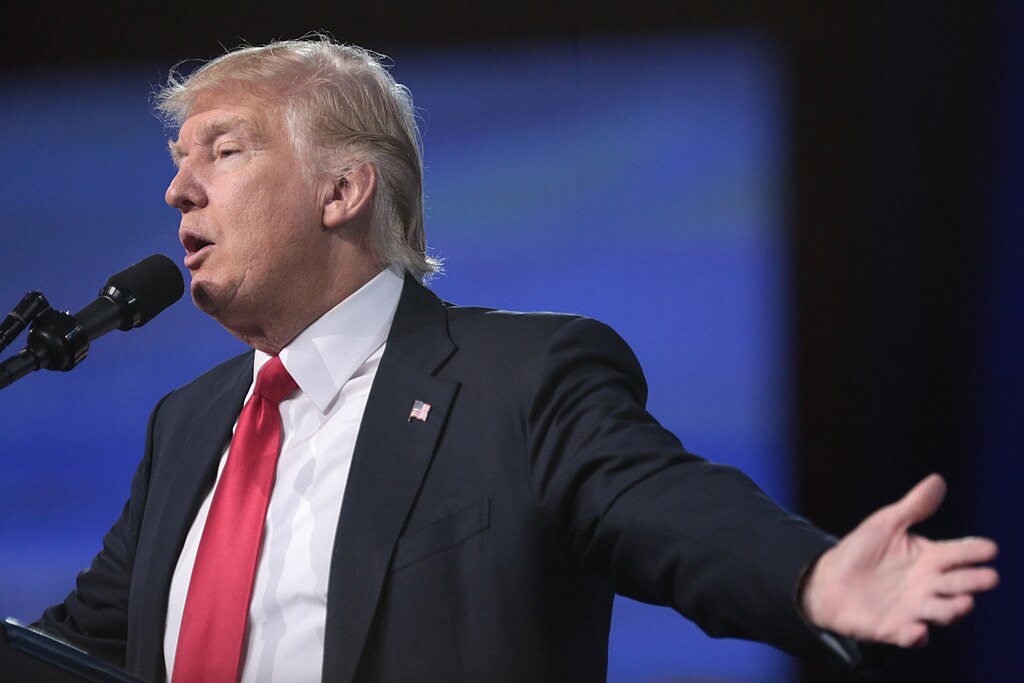
President Donald Trump announced Friday that he will introduce reciprocal tariffs next week, aiming to impose duties on U.S. imports that match those levied by trading partners. The announcement, first reported by Reuters, was later confirmed during Trump’s meeting with Japanese Prime Minister Shigeru Ishiba. While he did not specify targeted countries, he indicated that “many” would be affected.
Trump has long advocated for reciprocal tariffs, arguing they are essential for securing a “fair deal” for the U.S. He has repeatedly criticized foreign tariffs on American exports and hinted that key sectors, including steel, pharmaceuticals, and oil, could face trade restrictions.
The decision reportedly emerged during budget talks with Republican lawmakers at the White House. While specifics remain unclear, reports suggest Trump’s team sees potential tariff revenue as a means to help offset the cost of extending his 2017 tax cuts. However, tariffs historically account for only about 2% of annual U.S. government revenue, limiting their overall budgetary impact.
This move follows Trump’s recent 25% tariff announcement on Canada and Mexico, which was delayed after both nations agreed to strengthen border enforcement—one of Trump's key priorities.
The market reacted swiftly, with Wall Street extending losses on Friday as investors braced for heightened trade tensions. Increased tariffs could strain global trade relationships and impact industries reliant on imports.
Trump’s latest trade maneuver aligns with his long-standing protectionist policies, emphasizing economic nationalism. While details on the tariffs remain uncertain, the move signals a potential shift in U.S. trade policy that could have significant global repercussions.













