


 Japan Signals Readiness to Intervene as Yen Weakens Toward 160 Per Dollar
  Trump Expands Tariffs on Pharmaceuticals and Metals One Year After Liberation Day
  Trump's Iran War Speech Sparks Market Anxiety Over Extended Conflict
  Coral Springs Vice Mayor Nancy Metayer Bowen Killed in Suspected Domestic Violence Incident
  U.S.-Iran War Escalates: Downed Fighter Jet, Stalled Ceasefire Talks, and Ground Invasion Fears
  Oil Prices Surge Over $5 as Trump Vows to Continue Iran Strikes
  First Western Ship Transits Strait of Hormuz Since Iran War Began
  Trump's White House Ballroom Gets Planning Approval Amid Legal Battle
  U.S. Warplane Shot Down by Iran Amid Escalating Middle East Conflict
  U.S. Stock Futures Steady Amid Iran Ceasefire Talks and Trump Address
  Oil Prices Slide as Iran Tensions Ease and U.S. Crude Stockpiles Swell
  Japan Business Sentiment Rises as Iran War Fuels Inflation Fears, BOJ Rate Hike Looms
  Gold Prices Surge as U.S.-Iran Ceasefire Talks Spark Market Optimism
  Trump Claims Iran Sought Ceasefire as Middle East War Escalates
  Army Chief of Staff Gen. Randy George Forced Into Immediate Retirement Amid U.S.-Iran War
  March 2025 Jobs Report: Strong Headline Numbers Hide Deeper Economic Concerns
  South Korea's Inflation Rises Modestly in March Amid Oil Price Pressures


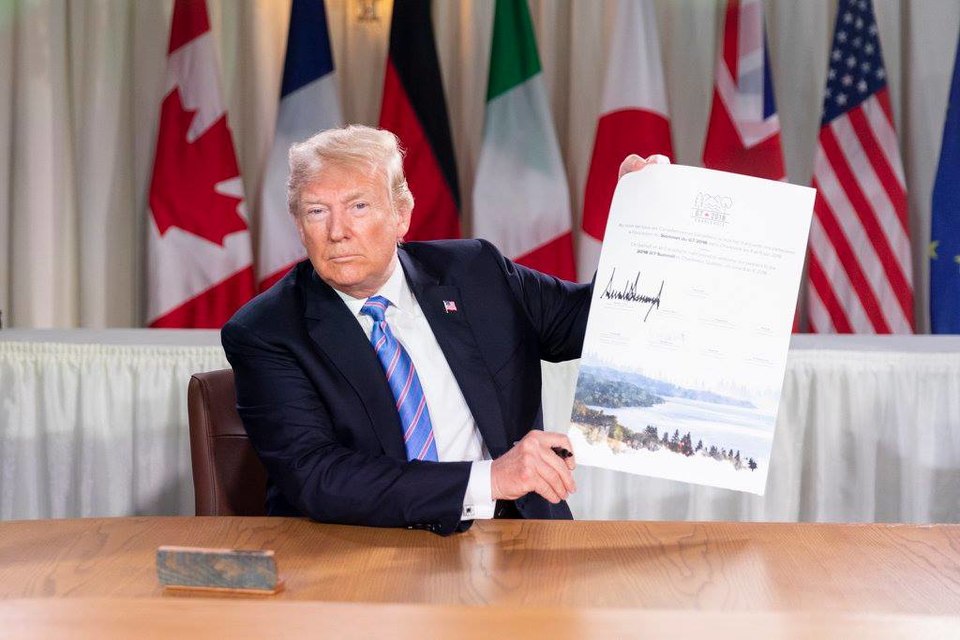
President Donald Trump has unveiled a bold federal budget proposal for fiscal year 2027, signaling a dramatic realignment of national spending priorities. The plan centers on a significant expansion of military funding while trimming non-defense discretionary expenditures by 10%, reflecting the administration's firm commitment to national security over broader domestic programs.
At the heart of the proposal is a staggering $1.5 trillion in total defense budgetary resources, accompanied by a $500 billion increase in military spending. These funds are earmarked for high-priority initiatives including the ambitious "Golden Dome" missile defense program, critical minerals stockpile development, and a major expansion of domestic shipbuilding capacity — all aimed at reinforcing America's strategic and defense posture on the global stage.
Service members stand to benefit directly from the proposal, with military personnel slated to receive a pay raise ranging from 5% to 7%, acknowledging the sacrifices of those serving in uniform.
On the domestic security front, the budget calls for a 15% increase in federal law enforcement funding, bringing the total to $19 billion. This reflects a broader White House emphasis on internal security and border enforcement. Conversely, the administration is pushing to eliminate nearly 30 Department of Justice grant programs, citing redundancy and misalignment with current presidential priorities.
Infrastructure also receives targeted investment, with $4 billion directed toward the Federal Aviation Administration to modernize the nation's aging air traffic control system — a move expected to improve aviation safety and operational efficiency nationwide.
As is customary with presidential budget proposals, Trump's FY2027 plan must still clear Congress, where bipartisan negotiations will ultimately shape the final legislation. While the document sets a strong policy tone, it serves primarily as a framework for the broader budgetary debate ahead.







