


 Russia Targets Danish Ukraine Suppliers in Sabotage Campaign
  Trump Orders Firing Squad Execution for Fort Hood Gunman
  Merz Warns of Extremism After AfD Gains Power in Saxony-Anhalt
  Trump Says He Deserves 2026 Nobel Peace Prize Despite Uncertain Chances
  France to Release 10 Million Barrels of Diesel to Ease Fuel Prices
  Mexico Bars Dual Citizens From Presidential Races Starting in 2028
  Circle Urges EU to Revise MiCA Stablecoin Rules
  Maduro, Wife May Face New US Torture Charges
  Pentagon Launches Autonomous Warfare Command
  Saudi Airport Attacks Kill Three as Yemen Fighting Escalates
  Trump Weighs FBI Probe Into Nolan Wells’ Death
  CFTC Moves to Define Prediction Markets as Swaps
  Saudi Arabia Probes Flydubai Cockpit Attack
  Rapidus Seeks Chip Customers as Japan Pushes 2nm Semiconductor Revival
  Lula Weighs Alckmin as Finance Minister to Boost Fiscal Credibility
  Lincoln University Students Sue Missouri Over Decades of Underfunding
  SEC Investor Reform Validates Barry Silbert’s Tokenization Vision


 Add as a preferred source on Google
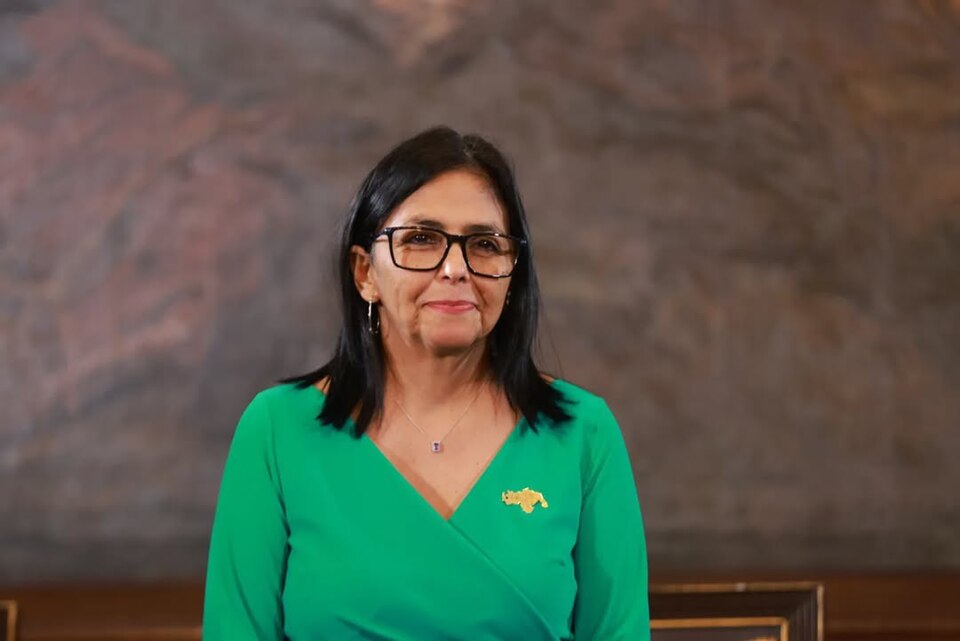
The United States has officially removed sanctions against Venezuelan interim President Delcy Rodriguez, according to the U.S. Treasury Department website. The move comes less than three months after American forces captured then-President Nicolás Maduro in a raid on Caracas, marking a dramatic turning point in U.S.-Venezuela relations.
The Trump administration has been actively engaging with Rodriguez's interim government since the political transition began. Diplomatic efforts have included negotiations over a U.S.-Venezuela oil sales agreement, alongside the issuance of sanctions waivers designed to encourage American investment in the oil-rich South American nation. Lifting sanctions on Rodriguez signals a broader strategic shift in Washington's approach to Venezuelan governance and economic relations.
Maduro's capture on January 3 triggered a rapid succession of political changes across Venezuela. The former authoritarian leader, once firmly in control of the country, now faces serious federal charges in New York alongside his wife, Cilia Flores. Both are standing trial on drug trafficking allegations, a development that has reshaped the political landscape both domestically in Venezuela and across Latin America.
Rodriguez, a former close ally of Maduro, has since taken the helm of the interim government. Her administration appears to be actively seeking legitimacy through cooperation with the United States, a stark contrast to the confrontational stance that defined the Maduro era. This diplomatic realignment could open the door to greater foreign investment and potential economic recovery for a country that has long suffered under years of mismanagement and international isolation.
Venezuela's communications ministry, which manages all official press inquiries on behalf of the government, had not responded to requests for comment at the time of publication. Analysts are closely monitoring how this sanctions relief will influence both regional stability and the broader energy market going forward.







