


 Trump Signs “America First Arms Transfer Strategy” to Prioritize U.S. Weapons Sales
  Trump’s Inflation Claims Clash With Voters’ Cost-of-Living Reality
  Trump Backs Nexstar–Tegna Merger Amid Shifting U.S. Media Landscape
  Missouri Judge Dismisses Lawsuit Challenging Starbucks’ Diversity and Inclusion Policies
  South Korea Assures U.S. on Trade Deal Commitments Amid Tariff Concerns
  Trump Signs Executive Order Threatening 25% Tariffs on Countries Trading With Iran
  U.S. to Begin Paying UN Dues as Financial Crisis Spurs Push for Reforms
  Japan Election 2026: Sanae Takaichi Poised for Landslide Win Despite Record Snowfall
  U.S. Lawmakers to Review Unredacted Jeffrey Epstein DOJ Files Starting Monday
  US Pushes Ukraine-Russia Peace Talks Before Summer Amid Escalating Attacks
  New York Legalizes Medical Aid in Dying for Terminally Ill Patients
  Norway Opens Corruption Probe Into Former PM and Nobel Committee Chair Thorbjoern Jagland Over Epstein Links
  U.S.-India Trade Framework Signals Major Shift in Tariffs, Energy, and Supply Chains
  Netanyahu to Meet Trump in Washington as Iran Nuclear Talks Intensify
  Trump Allegedly Sought Airport, Penn Station Renaming in Exchange for Hudson River Tunnel Funding
  U.S. Announces Additional $6 Million in Humanitarian Aid to Cuba Amid Oil Sanctions and Fuel Shortages


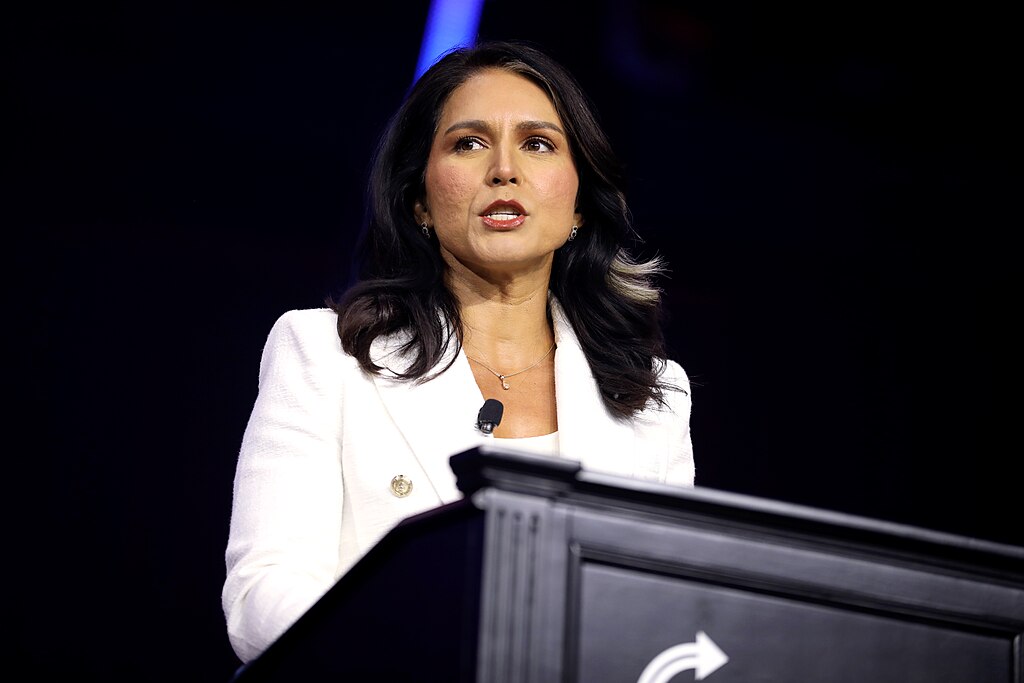
Former U.S. Representative Tulsi Gabbard, President Donald Trump's nominee for director of national intelligence, faced bipartisan scrutiny during her Senate confirmation hearing. Lawmakers challenged her past defense of NSA whistleblower Edward Snowden and comments perceived as favorable to Russia.
Gabbard, a former Democrat and combat veteran with limited intelligence experience, was pressed on her stance regarding Russia’s invasion of Ukraine, U.S. involvement in Syria, and her 2017 meeting with Syrian leader Bashar al-Assad. Senator Mark Warner confronted her about statements blaming NATO for Russia’s actions, while Republican Jerry Moran questioned whether she would hold Russia accountable. Gabbard firmly denied giving any country or individual a "pass."
Her past legislative efforts to drop charges against Snowden fueled further debate. When asked if she considered Snowden a traitor, she avoided a direct answer, stating her focus was on preventing future leaks. This drew criticism from both parties, particularly Democrat Michael Bennett. Gabbard acknowledged Snowden broke the law but argued his revelations exposed illegal government surveillance, leading to reforms.
Despite concerns, Republican Senator Tom Cotton supported her nomination, calling her views "unconventional" but necessary in Washington. However, with a divided Intelligence Committee, even one Republican defection could complicate her confirmation.
Gabbard’s opposition to Section 702 of the Foreign Intelligence Surveillance Act, which enables government surveillance, has also raised concerns. Though she later reversed her stance, her past positions continue to face scrutiny.
Trump’s nominee faces an uphill battle, needing near-unanimous Republican support to secure the role. The committee’s classified session with Gabbard could be pivotal, as Cotton aims for a swift vote.













