


 UK Sanctions 24 Russian-Linked Targets Over Cyberattacks and Election Interference
  EU Weighs New Trade Restrictions on Israeli West Bank Settlements
  SoftBank Corp Partners With Sierra to Expand AI Customer Support Across Japan
  Venezuela Appoints Felix Plasencia to Lead Foreign Relations and Trade
  Trump to Deliver National Address on Declassified 2020 Election Intelligence
  Samsung Chairman Lee Jae-yong Expected to Meet Nvidia CEO Jensen Huang on AI and Chip Partnership
  Elon Musk Says Anthropic Leads AI Race as Claude Models Challenge OpenAI
  Iran Says It Closes Strait of Hormuz After Warning Shot at Vessel
  Russia Launches Missile and Drone Attacks on Kyiv, Zaporizhzhia, and Kharkiv
  SK Hynix Prices Record U.S. ADR Offering at $149 After $200 Billion Investor Demand
  Apple Sues OpenAI, Former Employees Over Alleged Trade Secret Theft
  EU Ministers Split as Support Grows for Ban on Trade With Israeli West Bank Settlements
  Zhipu AI Raises HK$31.37 Billion in Discounted Share Sale to Accelerate AI Growth
  Trump Administration Bars U.S. Travelers From Congo Flights Amid Ebola Outbreak
  Republican Senator Lindsey Graham Dies at 71, Leaving South Carolina Senate Seat Vacant
  Apple Tests China's CXMT Memory Chips as DRAM Maker Gains Global Market Share
  Iraq PM Visits Washington as U.S. Oil, Gas Deals Take Center Stage


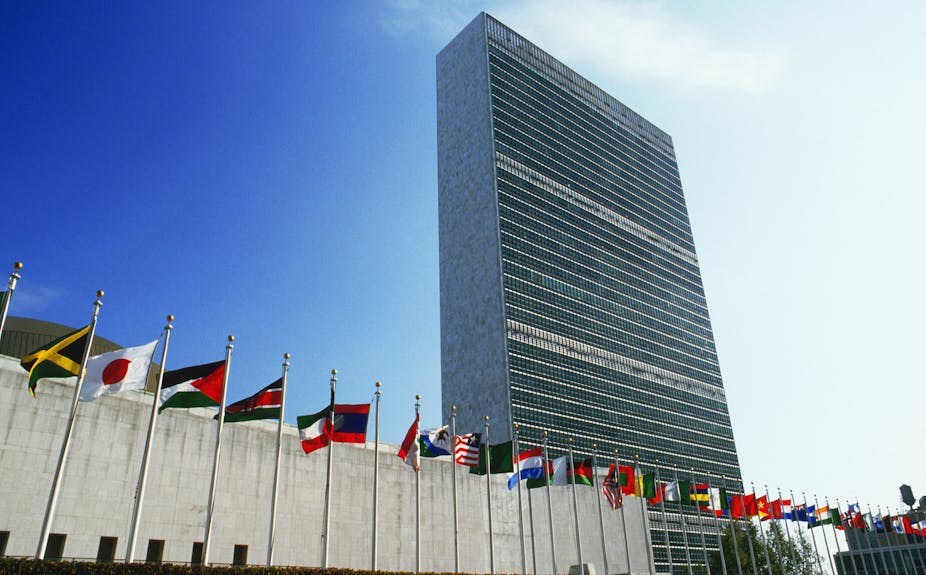
Nations are convening at the United Nations to revive efforts to regulate autonomous weapons powered by artificial intelligence, amid growing concern over their rapid use in global conflicts like Ukraine and Gaza. The urgency stems from the accelerating deployment of AI-assisted weapon systems and the lack of binding international regulations to control them.
Despite discussions under the Convention on Conventional Weapons (CCW) since 2014, no global treaty currently restricts fully autonomous systems operating without meaningful human control. U.N. Secretary-General António Guterres has called for clear rules by 2026, but divisions among key players—particularly the U.S., China, Russia, and India—are delaying consensus.
Advocates warn that without swift regulation, autonomous weapons could trigger a dangerous arms race and pose serious human rights risks. Amnesty International and Human Rights Watch emphasize the ethical and legal concerns, including accountability for civilian harm. Campaigners argue that the decision to take a human life should never be left to machines.
The U.S. maintains that current international laws are sufficient and that AI weapons may reduce civilian casualties. However, experts from the Future of Life Institute have identified over 200 AI-driven weapon systems in use globally, including Russia’s Veter kamikaze drones and Israel’s data-driven targeting systems in Gaza.
Monday’s UN General Assembly meeting marks the first dedicated to autonomous weapons, aiming to increase pressure on resistant nations and address broader issues like use by non-state actors. While the talks are non-binding, they are seen as a critical step toward a global treaty that could prevent future misuse of lethal AI technologies.
As the race for AI dominance intensifies, experts stress that time is running out to establish international guardrails and protect humanity from the unintended consequences of unchecked military innovation.







