


 Japan Election 2026: Sanae Takaichi Poised for Landslide Win Despite Record Snowfall
  Trump’s Inflation Claims Clash With Voters’ Cost-of-Living Reality
  Antonio José Seguro Poised for Landslide Win in Portugal Presidential Runoff
  China Warns US Arms Sales to Taiwan Could Disrupt Trump’s Planned Visit
  Trump Backs Nexstar–Tegna Merger Amid Shifting U.S. Media Landscape
  TrumpRx.gov Highlights GLP-1 Drug Discounts but Offers Limited Savings for Most Americans
  Bosnian Serb Presidential Rerun Confirms Victory for Dodik Ally Amid Allegations of Irregularities
  US Pushes Ukraine-Russia Peace Talks Before Summer Amid Escalating Attacks
  Ohio Man Indicted for Alleged Threat Against Vice President JD Vance, Faces Additional Federal Charges
  Trump Signs Executive Order Threatening 25% Tariffs on Countries Trading With Iran
  U.S. to Begin Paying UN Dues as Financial Crisis Spurs Push for Reforms
  Nicaragua Ends Visa-Free Entry for Cubans, Disrupting Key Migration Route to the U.S.
  TrumpRx Website Launches to Offer Discounted Prescription Drugs for Cash-Paying Americans
  Trump Allows Commercial Fishing in Protected New England Waters
  Norway Opens Corruption Probe Into Former PM and Nobel Committee Chair Thorbjoern Jagland Over Epstein Links
  U.S.-India Trade Framework Signals Major Shift in Tariffs, Energy, and Supply Chains
  Missouri Judge Dismisses Lawsuit Challenging Starbucks’ Diversity and Inclusion Policies


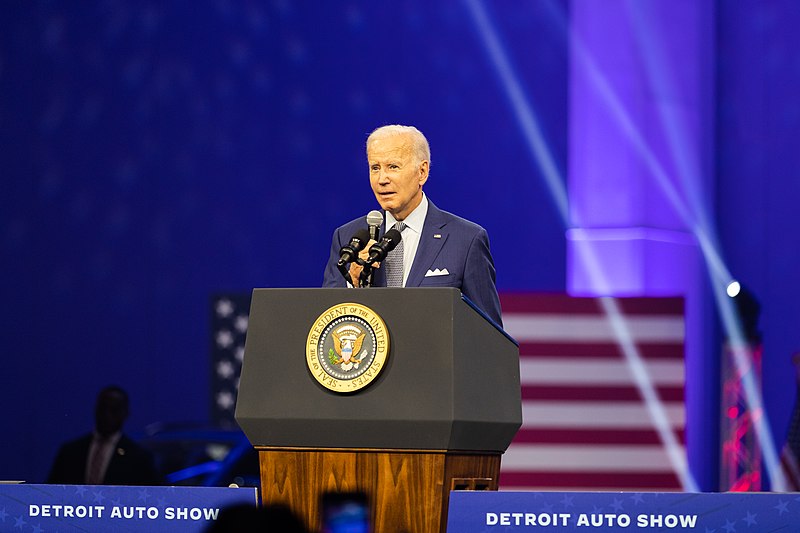
US President Joe Biden signed an executive order this week targeting childcare and care for the elderly and the disabled. The executive order comes amidst congressional roadblocks as Biden has long sought to push such initiatives.
On Tuesday, Biden signed the executive order at the White House Rose Garden with caregivers, people with disabilities, older Americans, and early childhood and long-term care workers. The includes 50 specific actions, which Biden said in his remarks does not include new federal spending. Nearly every federal government agency will be instructed to take the appropriate measures to increase access to high-quality childcare and long-term care and to better support caregivers and workers.
“It’s about making sure that taxpayers get the best value for the investments they’ve already made,” said Biden. “The actions we’re taking today are about dignity, security, and peace of mind for working families and caregivers across the country and they’re good for the economy as well.”
National Domestic Workers Alliance President Ai-Jen Poo and National Domestic Workers Alliance executive director Jenn Stowe said the order was “a major step toward modernizing” the country’s care system. The executive order was also welcomed by the AARP – a lobbying group for older Americans and the AFL-CIO – the country’s largest labor organization.
The US leader will direct nearly every federal agency to identify grant programs that can pay for childcare costs and long-term care benefits for workers on federal projects as well as to consider requiring companies that are applying for federal job creation funds to expand access to care for their workers.
On the same day, a US official said the Biden administration is currently not planning to restart family immigration detention, a sign that the practice of deporting more families looking to enter the country will be placed on hold.
During a budget hearing before a House subcommittee, the acting director of the US Immigration and Customs Enforcement, Tae Johnson, said officials have discussed detaining families as an option for tackling illegal crossings at the southern border.
This follows media reports in March that officials were considering reviving family detentions in preparation for a potential increase in illegal crossings after the end of COVID-19 restrictions on May 11.













