


 Ohio Man Indicted for Alleged Threat Against Vice President JD Vance, Faces Additional Federal Charges
  Trump Congratulates Japan’s First Female Prime Minister Sanae Takaichi After Historic Election Victory
  India–U.S. Interim Trade Pact Cuts Auto Tariffs but Leaves Tesla Out
  Pentagon Ends Military Education Programs With Harvard University
  Ghislaine Maxwell to Invoke Fifth Amendment at House Oversight Committee Deposition
  Nicaragua Ends Visa-Free Entry for Cubans, Disrupting Key Migration Route to the U.S.
  Anutin’s Bhumjaithai Party Wins Thai Election, Signals Shift Toward Political Stability
  Jack Lang Resigns as Head of Arab World Institute Amid Epstein Controversy
  China Warns US Arms Sales to Taiwan Could Disrupt Trump’s Planned Visit
  Trump Backs Nexstar–Tegna Merger Amid Shifting U.S. Media Landscape
  Bangladesh Election 2026: A Turning Point After Years of Political Suppression
  Trump Signs Executive Order Threatening 25% Tariffs on Countries Trading With Iran
  Israel Approves West Bank Measures Expanding Settler Land Access
  Trump Administration Appeals Court Order to Release Hudson Tunnel Project Funding
  Sydney Braces for Pro-Palestine Protests During Israeli President Isaac Herzog’s Visit
  Antonio José Seguro Poised for Landslide Win in Portugal Presidential Runoff
  Japan’s Prime Minister Sanae Takaichi Secures Historic Election Win, Shaking Markets and Regional Politics


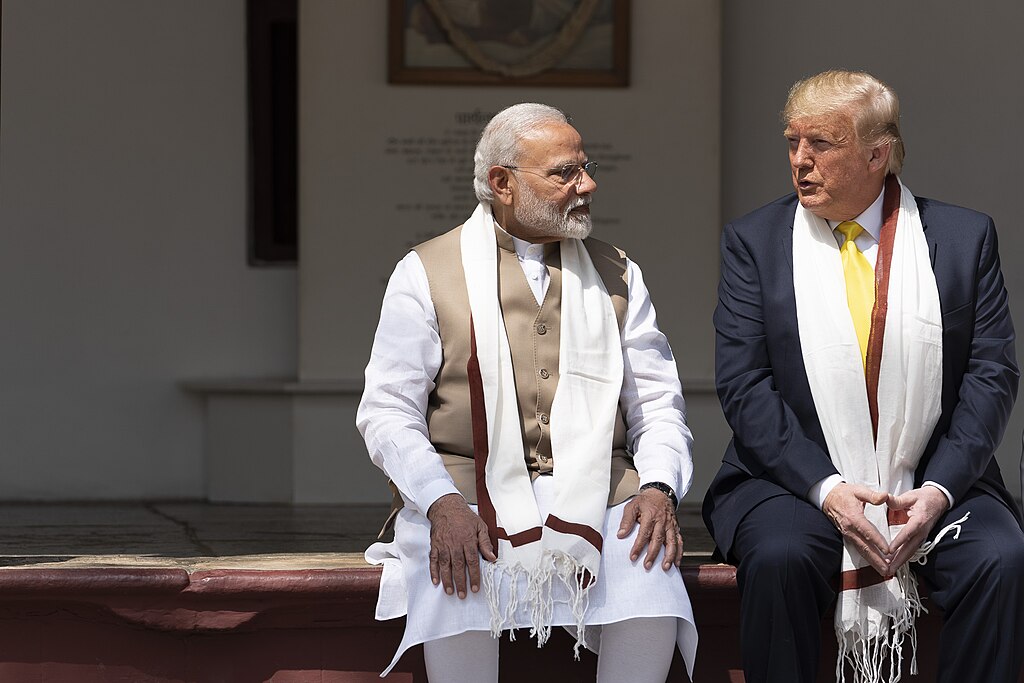
India is preparing to amend its nuclear liability laws to cap accident-related penalties for equipment suppliers, aiming to draw U.S. firms like General Electric and Westinghouse Electric into its expanding nuclear sector. The proposed changes, part of Prime Minister Narendra Modi’s plan to scale nuclear power capacity to 100 gigawatts by 2047, are expected to boost U.S.-India trade negotiations targeting $500 billion in bilateral trade by 2030.
A draft law by India’s Department of Atomic Energy seeks to remove a key clause in the Civil Nuclear Liability Damage Act of 2010, which currently holds suppliers liable for unlimited damages in case of nuclear accidents. The amendments would limit supplier liability to the contract value and set a specific timeframe for potential claims—aligning India’s stance with global norms that place primary responsibility on plant operators.
The original law stemmed from the 1984 Bhopal gas tragedy, a catastrophic industrial disaster involving U.S.-based Union Carbide, which paid $470 million in an out-of-court settlement. Since its enactment, the liability law has deterred Western firms, giving an edge to Russian and French suppliers backed by their governments.
India’s proposed reforms aim to revitalize its nuclear industry, offering a $58 million liability cap for small reactor operators while retaining the $175 million cap for larger facilities. The changes are anticipated to pass during the July monsoon session of Parliament.
Indian conglomerates such as Reliance Industries, Tata Power, Adani Power, and Vedanta are reportedly in talks to invest over $5 billion each in the sector, positioning nuclear energy as a key solution to India’s growing power demand and climate commitments. The reforms mark a strategic pivot to clean energy and deeper international cooperation.













