


 Wolfspeed Sues Navitas Over GaN and SiC Patent Infringement
  Nippon Paint Reportedly Offers Up to €7.5 Billion for Akzo Nobel Decorative Paints Business
  Samsung to Launch First Yongin Chip Plant by 2029 as South Korea Speeds Up Semiconductor Hub
  Samsung Chairman Lee Jae-yong Expected to Meet Nvidia CEO Jensen Huang on AI and Chip Partnership
  OpenAI Executive Fidji Simo to Step Down Amid Health Challenges Ahead of IPO
  Meta Says States Seek $1.4 Trillion in Penalties Over Teen Social Media Addiction Lawsuit
  Australia Flags Child Safety Gaps at Apple, Meta, Google Over Online Sexual Extortion
  SK Hynix Soars 13% in Nasdaq Debut After Record $26.5 Billion IPO
  China 618 Smartphone Sales Drop 13% as Higher Prices Hurt Demand, Huawei Gains Market Share
  OpenAI GPT-5.6 Set for Wider Release After U.S. Commerce Approval, Report Says
  Fast Retailing Raises Full-Year Forecast After Uniqlo Owner Beats Q3 Profit Estimates
  EU to Propose New Rules Limiting Children's Access to Social Media
  Apple Sues OpenAI, Former Employees Over Alleged Trade Secret Theft
  SK Hynix Prices Record U.S. ADR Offering at $149 After $200 Billion Investor Demand
  Chinese Chip Stocks Jump as Apple Reportedly Tests CXMT Memory Chips for China Devices
  SK Hynix Shares Drop After Strong Nasdaq Debut Despite $26 Billion ADR Listing
  SoftBank Corp Partners With Sierra to Expand AI Customer Support Across Japan


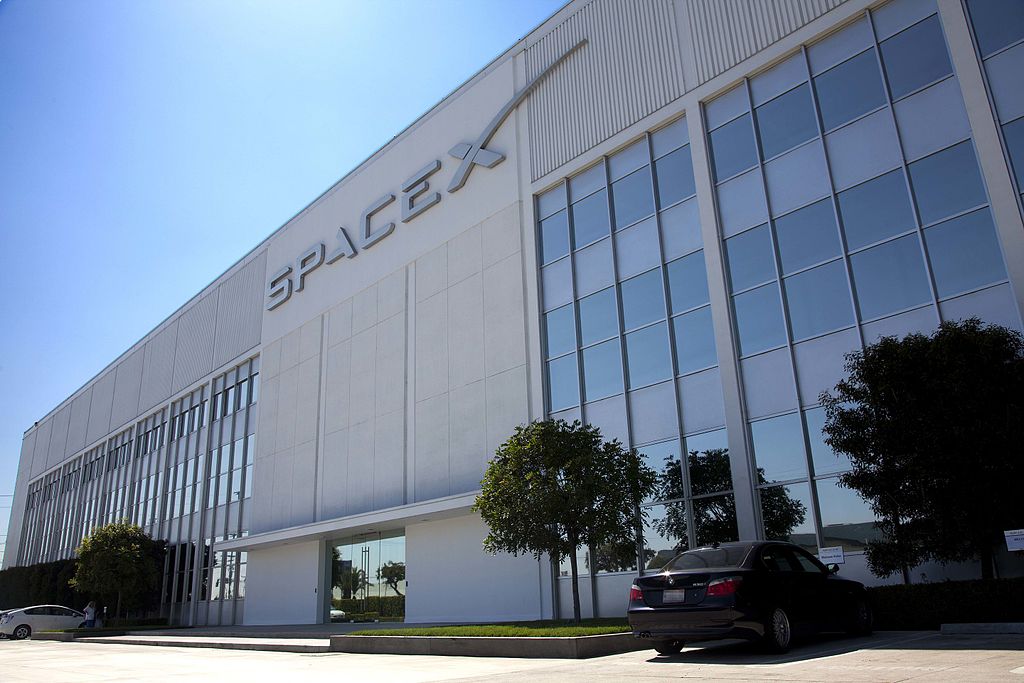
Demand for alternative satellite services in the United States continues to grow, even as SpaceX pushes regulators to tighten market access for foreign competitors. According to Eutelsat CEO Jean-Francois Fallacher, U.S. businesses and the Department of Defense (DoD) are actively seeking diverse satellite solutions to ensure reliability and operational resilience.
SpaceX recently submitted a letter to the Federal Communications Commission (FCC) on April 16, urging restrictions on foreign satellite operators whose home countries impose limitations on U.S. companies. The company specifically referenced Luxembourg-based SES as benefiting from access to the U.S. market, while also criticizing proposed European regulations such as the EU Space Act and Digital Networks Act. SpaceX argues these policies could create barriers for American satellite firms operating in Europe.
Despite these developments, Eutelsat remains confident in its position as a leading European satellite operator and a key competitor to SpaceX’s Starlink. Backed by both French and British governments, the company continues to provide satellite communication services across commercial, government, and military sectors. Although Eutelsat experienced a slowdown in some Pentagon contract renewals last year due to broader U.S. government spending cuts, overall demand has not declined.
Fallacher emphasized that American clients value redundancy and reliability, driving continued interest in alternative satellite providers. Eutelsat delivers services to the U.S. Department of Defense through a proxy arrangement, ensuring compliance with regulatory requirements while maintaining a strong presence in the market. He noted that both private enterprises and defense agencies are actively exploring multiple satellite options to avoid dependence on a single provider.
In addition, Eutelsat is expanding its partnerships by engaging with governments and commercial clients in the U.S. and globally. The company is currently in discussions to host Earth observation and communication payloads on its satellite network, further strengthening its competitive edge.
As geopolitical dynamics and regulatory frameworks evolve, the satellite communications industry is becoming increasingly competitive. However, strong U.S. demand for reliable and diversified satellite services suggests that international operators like Eutelsat will continue to play a vital role in the global space economy.







