


 Bain Capital Exits Kioxia After AI-Fueled Valuation Surge
  Nvidia Tightens AI Chip Sales in Asia With Stricter Customer Approval Process
  TSMC Q2 Revenue Surges 36% as AI Chip Demand Powers Growth Ahead of Earnings
  Australia Flags Child Safety Gaps at Apple, Meta, Google Over Online Sexual Extortion
  Meta Says States Seek $1.4 Trillion in Penalties Over Teen Social Media Addiction Lawsuit
  Kitron Q2 Revenue Beats Estimates as Defense Demand Lifts Growth
  Stellantis Q2 Vehicle Shipments Rise 10% as North America Drives Growth
  Wolfspeed Sues Navitas Over GaN and SiC Patent Infringement
  Samsung to Launch First Yongin Chip Plant by 2029 as South Korea Speeds Up Semiconductor Hub
  AstraZeneca Shares Sink After Wainua Trial Misses Key Heart Disease Goal
  OpenAI GPT-5.6 Set for Wider Release After U.S. Commerce Approval, Report Says
  OpenAI Executive Fidji Simo to Step Down Amid Health Challenges Ahead of IPO
  SK Hynix Soars 13% in Nasdaq Debut After Record $26.5 Billion IPO
  Genesis Minerals to Acquire Vault in A$5.6 Billion Deal After Regis Withdraws
  Apple Sues OpenAI, Former Employees Over Alleged Trade Secret Theft
  Levi Strauss Raises 2026 Outlook After Q2 Earnings Beat, Shares Drop Despite Strong Results
  Samsung Chairman Lee Jae-yong Expected to Meet Nvidia CEO Jensen Huang on AI and Chip Partnership


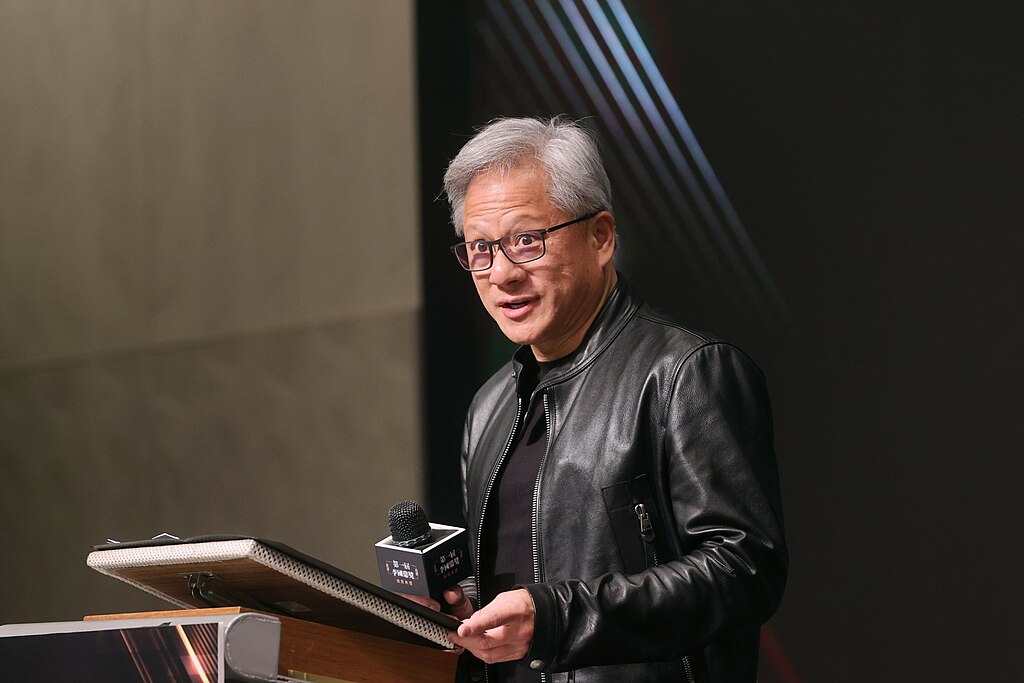
The U.S. Department of Energy has announced that its upcoming "Doudna" supercomputer, set to launch in 2026, will be powered by advanced technology from Nvidia (NASDAQ: NVDA) and Dell (NYSE: DELL). Named after Nobel laureate Jennifer Doudna, a pioneer in CRISPR gene-editing, the system will be located at Lawrence Berkeley National Laboratory in California.
Doudna will utilize Nvidia’s next-generation Vera Rubin AI chips, integrated into liquid-cooled servers provided by Dell. The system is expected to support more than 11,000 researchers across disciplines, from biology and chemistry to physics. At the unveiling event, U.S. Energy Secretary Chris Wright emphasized that the supercomputer will “advance scientific discovery” across numerous fields.
Jennifer Doudna acknowledged the importance of the Department of Energy’s support in her early CRISPR research, noting that science is now at a unique intersection between biology and computing. Nvidia CEO Jensen Huang echoed this sentiment, describing supercomputers as “humanity’s most vital instruments” for both innovation and national security. He stressed their role in U.S. technological leadership and in maintaining the nuclear weapons program.
The announcement came amid growing political scrutiny over Nvidia’s international operations. Just a day earlier, Huang praised former President Donald Trump while criticizing U.S. export restrictions on AI chips to China, which have significantly impacted Nvidia’s revenue. Senators Jim Banks and Elizabeth Warren recently expressed national security concerns over Nvidia’s planned R&D facility in Shanghai. Senator Tom Cotton warned on social platform X that companies violating export controls would face consequences.
As global demand for AI and supercomputing rises, the Doudna project highlights the strategic importance of U.S.-based high-performance computing infrastructure in both science and defense.







