


 Western Allies Push for More Air Defenses for Ukraine at Paris Summit
  EU to Propose New Rules Limiting Children's Access to Social Media
  US-Iran Strikes Escalate as Strait of Hormuz Crisis Pushes Oil Prices Higher
  Trump Administration Bars U.S. Travelers From Congo Flights Amid Ebola Outbreak
  Trump Administration Hands Over Key Evidence in Minnesota Immigration Shooting Investigations
  Iran Says It Closes Strait of Hormuz After Warning Shot at Vessel
  Israeli Strikes Kill Six in Gaza as Ceasefire Talks Continue in Cairo
  Ukraine, Europe Launch Freyja Missile Shield to Strengthen Air Defense Against Russia
  DOJ Subpoenas New York Times Journalists Over Air Force One Leak Report
  UK Sanctions 24 Russian-Linked Targets Over Cyberattacks and Election Interference
  HHS Watchdog Reports $5.56 Billion in Healthcare Fraud Recoveries as Enforcement Actions Decline
  UN Says Hamas Disrupted Gaza Aid Distribution, Group Denies Allegations
  Ann Widdecombe Murder: Police Arrest Second Suspect, Rule Out Terrorism Motive
  Trump Recommends Darline Graham for Interim South Carolina Senate Seat
  Iran's Supreme Leader Vows Revenge as Trump Threatens Massive U.S. Military Response
  Zelenskiy Plans Ukraine Government Shake-Up as Prime Minister Svyrydenko Set to Step Down


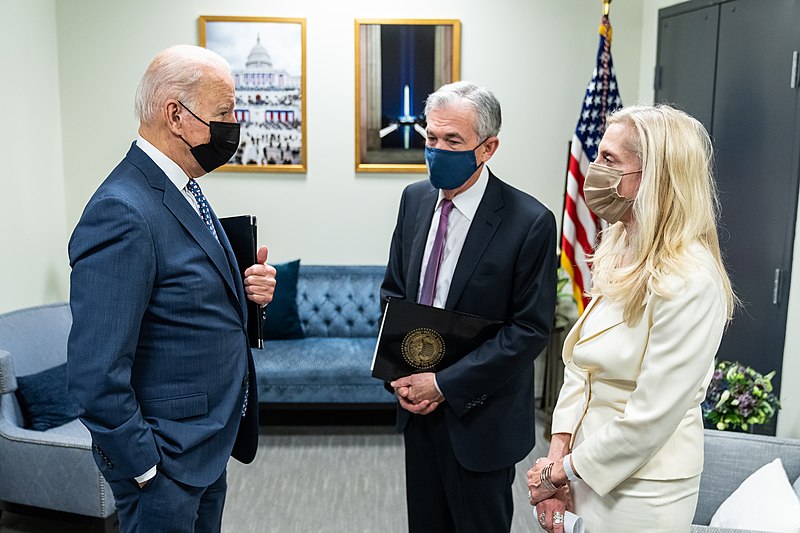
Progressives are citing comments by the US Federal Reserve’s Vice Chair, Lael Brainard, regarding a factor that is fueling inflation in the country. Brainard acknowledged that corporate price hikes have contributed to inflation while also saying that monetary tightening was the way to counter the issue.
Speaking at the meeting of the National Association for Business Economics in Chicago, Brainard mainly attributed inflation as being driven by the COVID-19 pandemic as well as the ongoing war in Ukraine. However, Brainard also cited that “there is ample room for margin recompression to help reduce goods inflation” in the retail economy.
While suggesting that corporate profiteering has played a role in driving inflation, Brainard said monetary tightening was the best way to counter the issue.
“It will take time for the cumulative effect of tighter monetary policy to work through the economy broadly and to bring inflation down,” said Brainard.
“In light of elevated global economic and financial uncertainty, moving forward deliberately and in a data-dependent manner will enable us to learn how economic activity, employment, and inflation are adjusting to cumulative tightening in order to inform our assessments of the path of policy rate.”
The Progressive podcast Pitchfork Economics warned that if the Federal Reserve continues to move forward with “outdated, harmful solutions,” then the country would be forced into a longer and deeper recession with far-reaching consequences.
The members of the Federal Reserve’s Board of Governors are expected to raise interest rates by 0.75 percent for the fourth time when they meet in November.
Inflation is expected to be a key issue in the upcoming midterm elections this year, which would determine which party controls one or both chambers of Congress.
Meanwhile, banks in the United States are donating less money to federal candidates for the upcoming midterm elections in November and increasing the proportion being given to Democrats as they rethink their political contributions, according to an analysis of data by Reuters.
The data, compiled by the Center for Responsive Politics along with over half a dozen lobbyists and industry officials, showed that the political action committees of banks have given around $7.4 million to federal candidates, 43 percent down on the 2020 elections and 39 percent down the average election spending in the previous decade.
Despite getting fewer donations from banks overall, Democrats increased their proportion by 40 percent in the upcoming race in November, the highest proportion since the 2020 elections.







