


 Elon Musk Accuses Indian Telecom Giants of Blocking Starlink Launch
  Apple Names Steve Smith M&A Chief in Leadership Shakeup
  Illinois Delays Crypto Tax Law Until July 2027
  Polkadot Launches dotUSD Stablecoin as DOT Price Falls
  Solidigm Taps Goldman, Morgan Stanley for $10 Billion US IPO
  Florida Seeks Tougher Meta Rules to Protect Young Users
  US Suspends Microsoft, Adobe From Green Card Program
  US DOT Ends Airline Privacy Review Without Enforcement
  SpaceX Seeks $40 Billion for Nvidia AI Chips
  Circle Urges EU to Revise MiCA Stablecoin Rules
  Rising Rates Top Global Growth Risks as Wealthy Investors Favor Asia
  TikTok Accused of Testing Fake Safety Tools on Users
  Oracle Uses Trucked Natural Gas to Power AI Data Centers Amid Pipeline Delays
  UK Sanctions Crypto Exchanges Linked to Russia
  OpenAI Annualized Revenue Hits $50 Billion, Below Earlier Estimates


 Add as a preferred source on Google
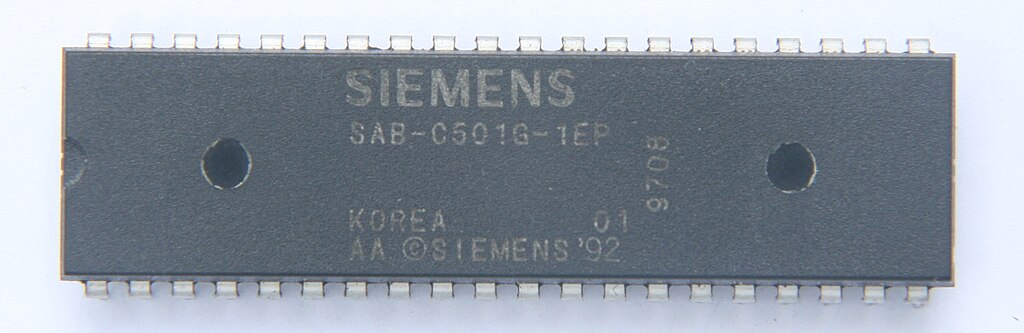
Siemens AG has reportedly received a notice from the U.S. government confirming the removal of export restrictions on its chip design software for use in China, according to Bloomberg News. The decision marks a notable shift in U.S. trade policy amid ongoing tensions with China over access to advanced semiconductor technologies.
The initial export controls, introduced to curb China's development of cutting-edge chips, had affected companies like Siemens that supply essential electronic design automation (EDA) tools. These tools are crucial for developing semiconductors used in a wide range of industries, from telecommunications to automotive technology.
The lifting of restrictions could offer Siemens renewed access to a key market and potentially unlock business opportunities in China’s rapidly growing tech sector. It also suggests the U.S. may be selectively easing certain rules to balance national security concerns with commercial interests.
While Washington continues to enforce broad chip export controls against China, the exemption granted to Siemens indicates a more nuanced regulatory approach. Analysts believe this could benefit both U.S.-allied tech firms and global supply chain dynamics, particularly in semiconductor design and manufacturing.
Siemens has not issued an official statement, and the U.S. Commerce Department has yet to comment on the matter. However, the development is likely to draw attention from the global semiconductor industry, which closely monitors policy changes that impact cross-border technology flows.
As chip demand continues to rise globally, especially for AI and advanced computing, easing some export restrictions could support innovation while maintaining oversight on sensitive technologies. This latest move may signal more targeted licensing decisions ahead as governments aim to support strategic industries without compromising security.







