


 US Suspends Microsoft, Adobe From Green Card Program
  Litecoin Marks 15 Years as Grayscale Backs LTC ETF Push
  Oil Prices Rise as Hormuz Risks Offset IEA Stock Release
  TikTok Accused of Testing Fake Safety Tools on Users
  US Stock Futures Flat as Fed Minutes, Earnings Loom
  OpenAI, Anthropic Back Mandatory AI Breach Reporting in Australia
  Samsung Q3 Profit Hits Record High on AI Memory Demand
  Illinois Delays Crypto Tax Law Until July 2027
  Wall Street Falls as Fed Minutes Signal Another Rate Hike
  Japan Real Wages Rise 1.5%, Supporting BOJ Rate Hikes
  US Grants Aurora Five-Year Exemption for Self-Driving Trucks
  Gold Prices Fall as Fed Signals Another Rate Hike
  US Dollar Hits 18-Month High as Fed Signals More Rate Hikes
  Mexico Bars Dual Citizens From Presidential Races Starting in 2028
  RBI Raises Repo Rate to 5.50% in Hawkish Shift on Inflation Risks
  Mike Rogers Calls for End to US-Canada Tariff War
  Oil Prices Rise as Hormuz Attacks Fuel Supply Fears


 Add as a preferred source on Google
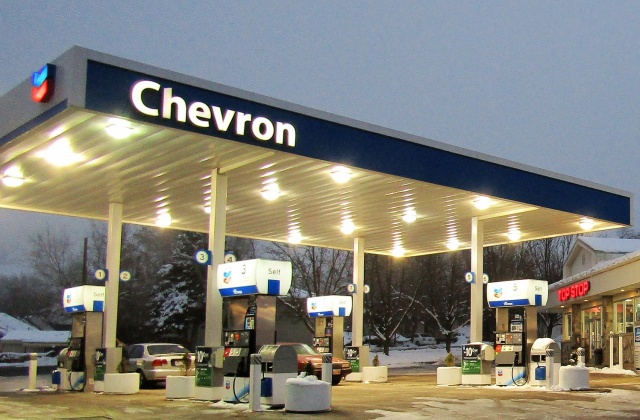
The United States is accelerating efforts to grant Chevron an expanded license for oil production in Venezuela, a move that could significantly reshape the country’s energy sector and global oil markets. U.S. Energy Secretary Chris Wright confirmed to Reuters that Washington plans to allow Chevron to compensate the Venezuelan government with cash instead of crude, enabling the U.S. oil major to sell all of the oil it produces in the country.
Under Chevron’s current license, the company has been paying royalties and taxes to Venezuela in the form of oil rather than cash. This arrangement has effectively limited Chevron’s exports to about half of its total crude production in Venezuela. The expanded license would remove that constraint, making Chevron a full marketer of Venezuelan crude and potentially boosting production and exports.
The policy shift follows major political changes in Venezuela, where the administration of former President Nicolas Maduro was removed from power earlier this month. President Donald Trump’s administration has stated its intention to re-activate Venezuela’s oil industry, which has suffered years of decline due to sanctions, mismanagement, and lack of investment. Reuters previously reported that Chevron is expected to receive authorization soon to increase output and exports under the new framework.
The U.S. has also taken direct control over Venezuela’s oil sales. After Trump said Washington would run the country’s oil industry and oversee crude marketing, officials announced plans to sell up to 50 million barrels of stranded Venezuelan oil. According to Wright, this shift has already resulted in higher prices for Venezuelan crude. Before Maduro’s removal, oil was selling for around $31 per barrel, reflecting heavy discounts. Now, the U.S. is reportedly selling the same crude at roughly a $15 discount to Brent, bringing prices closer to $45 per barrel.
Proceeds from these oil sales are being deposited into Qatari bank accounts controlled by the U.S. government, a temporary measure driven by sanctions and regulatory considerations. Wright emphasized that all funds remain under U.S. control, with the possibility of moving transactions to U.S. banks in the future.







