


 Asian Stocks Slip as Tech Rout Deepens, Japan Steadies Ahead of Election
  India–U.S. Interim Trade Pact Cuts Auto Tariffs but Leaves Tesla Out
  Dow Hits 50,000 as U.S. Stocks Stage Strong Rebound Amid AI Volatility
  China Extends Gold Buying Streak as Reserves Surge Despite Volatile Prices
  Fed Governor Lisa Cook Warns Inflation Risks Remain as Rates Stay Steady
  South Korea’s Weak Won Struggles as Retail Investors Pour Money Into U.S. Stocks
  Trump Lifts 25% Tariff on Indian Goods in Strategic U.S.–India Trade and Energy Deal
  Dollar Steadies Ahead of ECB and BoE Decisions as Markets Turn Risk-Off
  Bank of Japan Signals Readiness for Near-Term Rate Hike as Inflation Nears Target
  Trump Signs Executive Order Threatening 25% Tariffs on Countries Trading With Iran
  Gold and Silver Prices Rebound After Volatile Week Triggered by Fed Nomination
  RBI Holds Repo Rate at 5.25% as India’s Growth Outlook Strengthens After U.S. Trade Deal
  U.S. Stock Futures Slide as Tech Rout Deepens on Amazon Capex Shock
  South Africa Eyes ECB Repo Lines as Inflation Eases and Rate Cuts Loom
  Global Markets Slide as AI, Crypto, and Precious Metals Face Heightened Volatility
  Trump’s Inflation Claims Clash With Voters’ Cost-of-Living Reality
  Russian Stocks End Mixed as MOEX Index Closes Flat Amid Commodity Strength


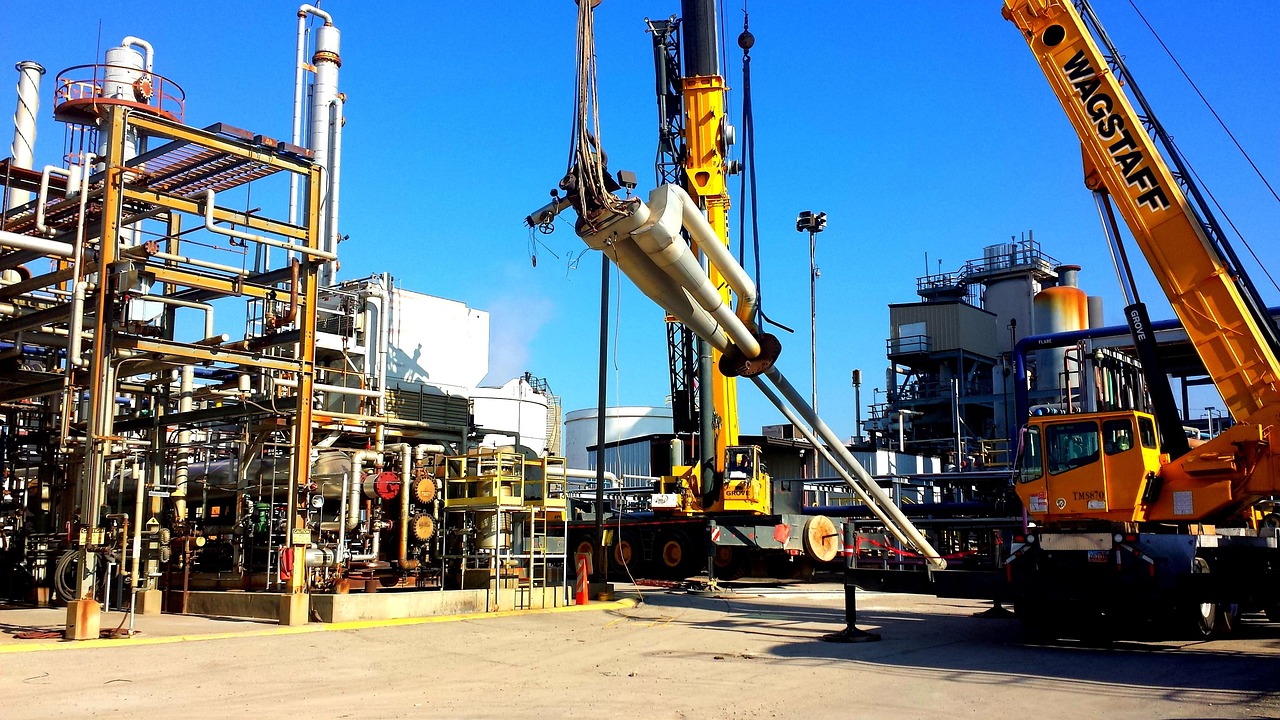
U.S. oil prices declined sharply in early Asian trading on Thursday, falling by more than $1 per barrel as easing geopolitical tensions involving Iran reduced market fears of supply disruptions. The pullback came after U.S. President Donald Trump said that killings linked to Iran’s nationwide protest crackdown appeared to be subsiding, lowering concerns over potential military escalation and its impact on global crude supplies.
U.S. West Texas Intermediate (WTI) crude futures were trading at $60.78 per barrel at 2322 GMT, down $1.24 or nearly 2% from the previous session’s close. The drop erased most of the gains recorded a day earlier, when oil prices had settled more than 1% higher amid heightened uncertainty surrounding Iran and broader Middle East stability.
Market sentiment shifted after Trump’s remarks on Wednesday afternoon, in which he stated that he had been informed the violence in Iran was decreasing and that there were currently no plans for large-scale executions. His comments helped ease investor anxiety about a possible U.S. military response or further sanctions that could disrupt Iranian oil exports and tighten global supply.
Geopolitical risk has been a major driver of oil price volatility in recent weeks, with traders closely monitoring developments in Iran due to its strategic importance as a major oil-producing nation and its influence on key shipping routes. Any escalation involving Iran typically raises fears of supply shortages, pushing crude prices higher. Conversely, signs of de-escalation, such as Trump’s comments, tend to pressure oil prices lower as risk premiums fade.
The decline in WTI prices highlights how sensitive the oil market remains to political signals and headlines, particularly those involving the Middle East. While broader factors such as global demand trends, interest rates, and production levels from OPEC and U.S. shale producers continue to shape the outlook for oil, short-term price movements are often driven by geopolitical news.
As traders assess the durability of the recent easing in tensions, oil prices are likely to remain volatile, with investors watching closely for further updates from Washington and Tehran that could influence supply expectations and market direction.













