


 Trump, Canada Reach Gordie Howe Bridge Deal Ahead of July 27 Opening
  Iraq PM Visits Washington as U.S. Oil, Gas Deals Take Center Stage
  Israel Sets October 27 Election as Netanyahu Faces Tough Political Test
  Trump to Deliver National Address on Declassified 2020 Election Intelligence
  Israeli Strikes Kill Six in Gaza as Ceasefire Talks Continue in Cairo
  DOJ Subpoenas New York Times Journalists Over Air Force One Leak Report
  Iran's Supreme Leader Vows Revenge as Trump Threatens Massive U.S. Military Response
  EU Ministers Split as Support Grows for Ban on Trade With Israeli West Bank Settlements
  Republican Senator Lindsey Graham Dies at 71, Leaving South Carolina Senate Seat Vacant
  Iran Says It Closes Strait of Hormuz After Warning Shot at Vessel
  Trump Recommends Darline Graham for Interim South Carolina Senate Seat
  Western Allies Push for More Air Defenses for Ukraine at Paris Summit
  UK Sanctions 24 Russian-Linked Targets Over Cyberattacks and Election Interference
  EU Weighs New Trade Restrictions on Israeli West Bank Settlements
  Zelenskiy Plans Ukraine Government Shake-Up as Prime Minister Svyrydenko Set to Step Down
  Trump Administration Hands Over Key Evidence in Minnesota Immigration Shooting Investigations
  Reuters/Ipsos Poll: Most Americans Expect U.S.-Iran War to Be Prolonged


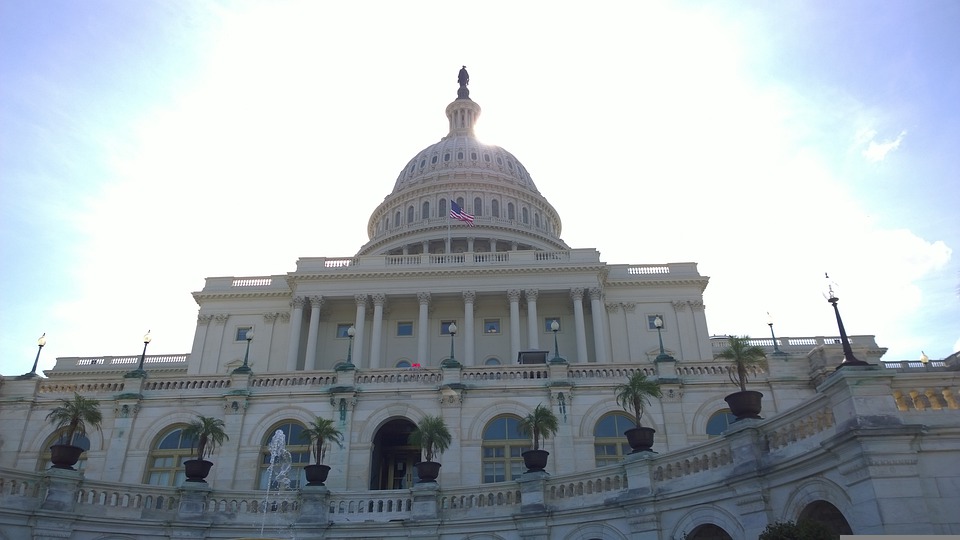
The United States Senate this week ratified an amendment to the Montreal Protocol that would phase out the use of greenhouse gases contributing to global warming. The chamber ratified the Kigali Amendment that would end the use of hydrofluorocarbons.
The US Senate ratified the Kigali Amendment to the 1987 Montreal Protocol Wednesday in a 69-27 vote. The amendment pledged to end the use of hydrofluorocarbons or HFCs commonly used in heating, ventilation, refrigeration, and air conditioning.
Ratification of such an amendment requires a two-thirds majority in the Senate, and over 20 Republicans joined the Democrats in voting for its ratification.
President Joe Biden praised the vote after calling for its ratification last month and said Washington “is back at the table leading the fight against climate change.”
“Ratifying the Kigali Amendment will allow us to lead the clean technology markets of the future, by innovating and manufacturing those technologies here in America,” said Biden in a statement. “Ratification will spur the growth of manufacturing jobs, strengthen US competitiveness, and advance the global effort to combat the climate crisis.”
The Montreal Agreement pushed to end the use of substances that would cause damage to the planet’s ozone layer and went through several amendments to implement strict environmental regulations.
The Kigali Amendment, named after the capital of Rwanda, where it was finalized, was adopted in 2016. At the time, President Barack Obama backed the measure in the last weeks of his presidency.
However, Obama’s immediate successor Donald Trump, who withdrew the US from the Paris Climate Agreement, did not submit the treaty to the Senate for approval.
Meanwhile, the Biden administration has imposed sanctions on Iran’s Morality Police over the alleged abuses and the violence against Iranian women and protesters.
The sanctions follow public outrage over the death of 22-year-old Mahsa Amini in the custody of the Morality Police last week. Amini was detained by the Morality Police on charges of “unsuitable attire.”
The Treasury Department issued the sanctions Thursday, including several leaders of Iranian security organizations that “routinely” used violence to silence peaceful protesters and members of civil society, including “political dissidents, women’s rights activists, and members of the Iranian Baha’i Community.”







