


 Israel Sets October 27 Election as Netanyahu Faces Tough Political Test
  Trump Administration Hands Over Key Evidence in Minnesota Immigration Shooting Investigations
  Iraq PM Visits Washington as U.S. Oil, Gas Deals Take Center Stage
  Israeli Strikes Kill Six in Gaza as Ceasefire Talks Continue in Cairo
  DOJ Subpoenas New York Times Journalists Over Air Force One Leak Report
  UK Sanctions 24 Russian-Linked Targets Over Cyberattacks and Election Interference
  Iran's Supreme Leader Vows Revenge as Trump Threatens Massive U.S. Military Response
  Western Allies Push for More Air Defenses for Ukraine at Paris Summit
  Venezuela Appoints Felix Plasencia to Lead Foreign Relations and Trade
  Iranian Missile Strike on UAE Oil Tankers Kills Indian Crew Member in Strait of Hormuz
  Iran Says It Closes Strait of Hormuz After Warning Shot at Vessel
  Trump to Deliver National Address on Declassified 2020 Election Intelligence
  Trump, Canada Reach Gordie Howe Bridge Deal Ahead of July 27 Opening
  Reuters/Ipsos Poll: Most Americans Expect U.S.-Iran War to Be Prolonged
  Republican Senator Lindsey Graham Dies at 71, Leaving South Carolina Senate Seat Vacant
  Trump Recommends Darline Graham for Interim South Carolina Senate Seat


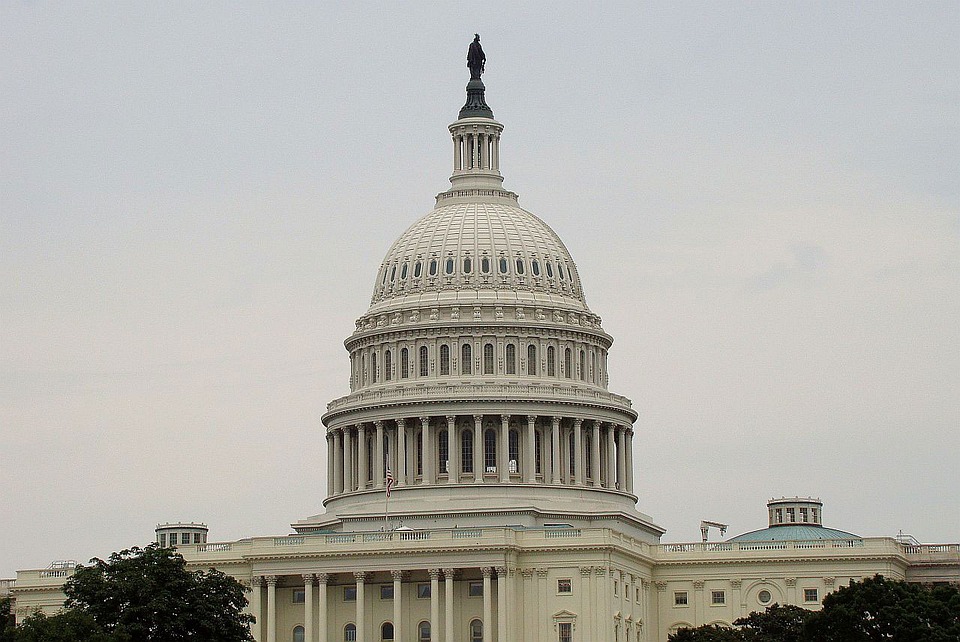
Calls have grown over the past weeks for lawmakers in Congress to take action in addressing the major issue of gun violence in the United States. A bipartisan group of lawmakers in the evenly divided Senate has come to an agreement on a major piece of legislation addressing the issue.
This week, the Senate has reached a bipartisan agreement on a major piece of gun control legislation, marking the first time in 30 years such legislation was made. The bill would likely be put up for a vote in the chamber by the end of the week.
The 80-page legislation that was published Tuesday would introduce measures to strengthen background checks on people who wish to buy firearms, additional background checks, and the temporary removal of weapons from those deemed a danger to themselves and to others.
There would also be stricter penalties on firearm traffickers, and states and communities will be provided with financial support to improve safety in schools and mental health initiatives.
The bill was cleared for a vote by 64-34, with 14 Republicans, including Senate Minority Leader Mitch McConnell, voting in support.
“I believe that this week, we will pass legislation that will become the most significant piece of anti-gun violence legislation Congress will have passed in 30 years. This is a breakthrough,” said Democratic Senator Chris Murphy, one of the leading Democrats in the negotiations.
Senate Majority Leader Chuck Schumer pledged to move the bill forward for a final vote in the Senate.
“This bipartisan gun safety legislation is progress and will save lives. While it is not everything we want, this legislation is urgently needed,” said Schumer in a statement.
Among the latest pieces of legislation, the Senate has also passed was the bill that would help veterans who served in Iraq and Afghanistan who developed illnesses that may be traced back to their exposure to toxic burn pits while in service.
The bill was passed Thursday last week, and would benefit around 3.5 million US military veterans.
The legislation is also expected to increase federal spending by around $283 billion in a span of 10 years and does not include off-setting spending cuts or tax increases to help fund the bill.







