


 Russian Stocks End Mixed as MOEX Index Closes Flat Amid Commodity Strength
  Dollar Steadies Ahead of ECB and BoE Decisions as Markets Turn Risk-Off
  South Africa Eyes ECB Repo Lines as Inflation Eases and Rate Cuts Loom
  Japanese Pharmaceutical Stocks Slide as TrumpRx.gov Launch Sparks Market Concerns
  Gold and Silver Prices Rebound After Volatile Week Triggered by Fed Nomination
  Fed Governor Lisa Cook Warns Inflation Risks Remain as Rates Stay Steady
  Singapore Budget 2026 Set for Fiscal Prudence as Growth Remains Resilient
  Thailand Inflation Remains Negative for 10th Straight Month in January
  Vietnam’s Trade Surplus With US Jumps as Exports Surge and China Imports Hit Record
  Trump Lifts 25% Tariff on Indian Goods in Strategic U.S.–India Trade and Energy Deal
  Gold Prices Slide Below $5,000 as Strong Dollar and Central Bank Outlook Weigh on Metals
  Oil Prices Slide on US-Iran Talks, Dollar Strength and Profit-Taking Pressure
  Bank of Japan Signals Readiness for Near-Term Rate Hike as Inflation Nears Target
  U.S. Stock Futures Slide as Tech Rout Deepens on Amazon Capex Shock
  Dow Hits 50,000 as U.S. Stocks Stage Strong Rebound Amid AI Volatility
  China Extends Gold Buying Streak as Reserves Surge Despite Volatile Prices
  South Korea’s Weak Won Struggles as Retail Investors Pour Money Into U.S. Stocks


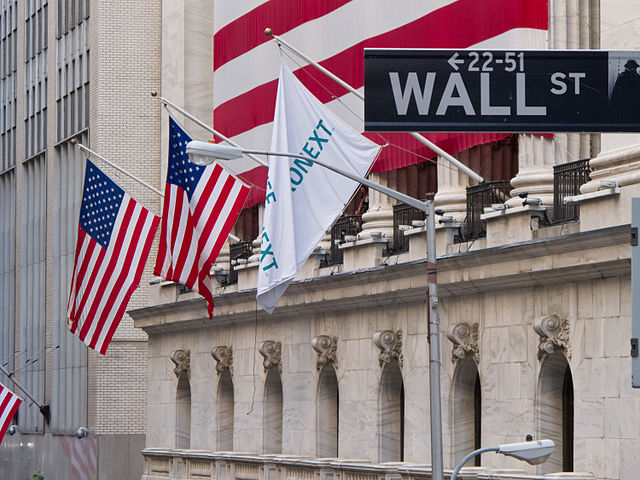
U.S. stock index futures edged lower on Wednesday evening after Wall Street extended a two-day losing streak, driven by declines in bank stocks and profit-taking across major technology names. Investor sentiment turned cautious as markets digested geopolitical risks, regulatory concerns, and upcoming earnings from key companies, including Taiwan Semiconductor Manufacturing Company (TSMC), a major bellwether for the global chip industry.
By late evening trading, S&P 500 futures slipped 0.1%, Nasdaq 100 futures declined nearly 0.2%, and Dow Jones futures fell around 0.15%. The pullback followed recent record highs in early January, as traders locked in gains amid rising uncertainty.
Technology stocks, which had fueled much of the early-2025 rally, saw renewed selling pressure ahead of TSMC’s fourth-quarter earnings release scheduled for Thursday. As the world’s largest contract chipmaker and a critical supplier to NVIDIA, TSMC’s results are closely watched for signals on global semiconductor demand. TSMC’s U.S.-listed shares fell more than 1%, while NVIDIA also lost ground amid reports of potential Chinese restrictions on domestic sales.
Additional pressure came from reports that China advised local companies to stop using certain U.S. and Israeli cybersecurity software, citing national security concerns. This weighed heavily on tech sentiment, with Broadcom and Oracle posting sharp declines. Oracle slid after facing a lawsuit from bondholders related to losses tied to its artificial intelligence expansion and increased debt issuance. As a result, the Nasdaq Composite dropped 1%, underperforming the S&P 500 and Dow Jones Industrial Average.
Bank stocks were another major drag on the market after President Donald Trump announced plans to impose a strict 10% cap on credit card interest rates. The proposal sparked concerns about profitability across the financial sector, overshadowing otherwise solid earnings from major lenders. Shares of Bank of America and Citigroup fell more than 3% despite beating earnings expectations, while Wells Fargo and JPMorgan also posted notable losses.
Geopolitical tensions further dampened risk appetite, as markets reacted to warnings from Iran over potential U.S. intervention amid ongoing protests. With more bank earnings expected and key tech results imminent, investors remain cautious as Wall Street navigates a volatile start to the year.













