


 Trump Lifts 25% Tariff on Indian Goods in Strategic U.S.–India Trade and Energy Deal
  US Pushes Ukraine-Russia Peace Talks Before Summer Amid Escalating Attacks
  Trump Signs Executive Order Threatening 25% Tariffs on Countries Trading With Iran
  Federal Judge Restores Funding for Gateway Rail Tunnel Project
  U.S. to Begin Paying UN Dues as Financial Crisis Spurs Push for Reforms
  Missouri Judge Dismisses Lawsuit Challenging Starbucks’ Diversity and Inclusion Policies
  U.S.-India Trade Framework Signals Major Shift in Tariffs, Energy, and Supply Chains
  Ohio Man Indicted for Alleged Threat Against Vice President JD Vance, Faces Additional Federal Charges
  Jack Lang Resigns as Head of Arab World Institute Amid Epstein Controversy
  U.S. Announces Additional $6 Million in Humanitarian Aid to Cuba Amid Oil Sanctions and Fuel Shortages
  India–U.S. Interim Trade Pact Cuts Auto Tariffs but Leaves Tesla Out
  Trump Backs Nexstar–Tegna Merger Amid Shifting U.S. Media Landscape
  Trump’s Inflation Claims Clash With Voters’ Cost-of-Living Reality
  U.S. Lawmakers to Review Unredacted Jeffrey Epstein DOJ Files Starting Monday
  Japan Election 2026: Sanae Takaichi Poised for Landslide Win Despite Record Snowfall
  Trump Says “Very Good Talks” Underway on Russia-Ukraine War as Peace Efforts Continue
  Iran–U.S. Nuclear Talks in Oman Face Major Hurdles Amid Rising Regional Tensions


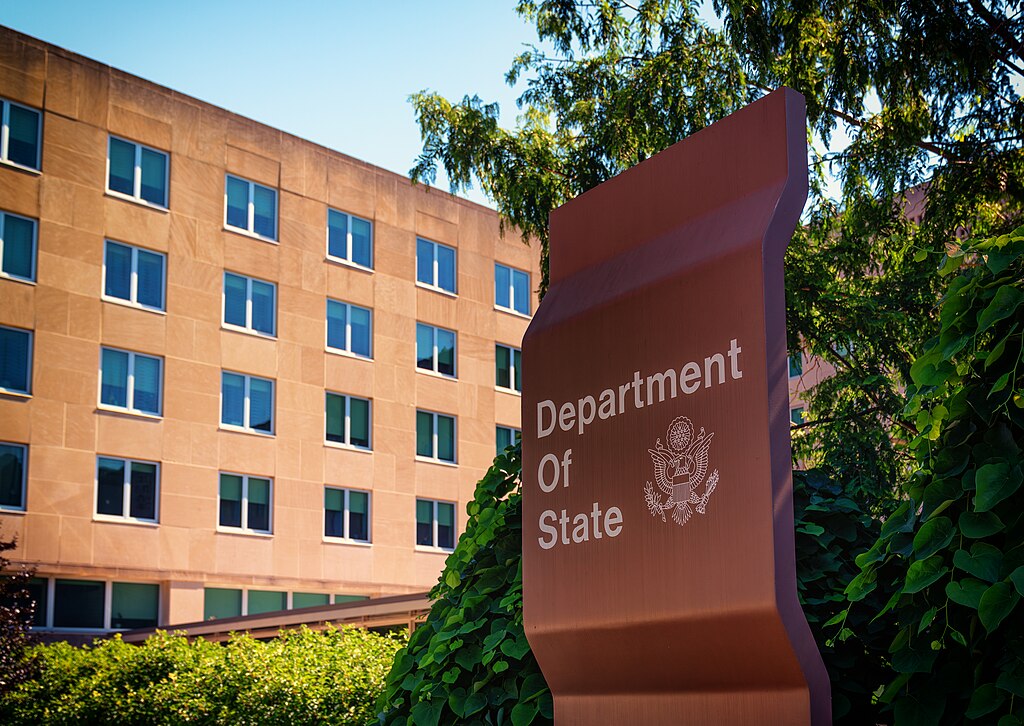
The Trump administration has revoked Iraq’s waiver to pay Iran for electricity, intensifying its "maximum pressure" campaign against Tehran. A State Department spokesperson stated that the decision prevents Iran from gaining financial relief, reinforcing efforts to curb its nuclear ambitions, ballistic missile program, and support for militant groups.
Trump reinstated his hardline stance on Iran after returning to office in January, having previously withdrawn the U.S. from the Iran nuclear deal. Washington aims to isolate Iran economically and cut its oil revenues to hinder its nuclear development, though Tehran insists its program is peaceful. The U.S. has imposed sweeping sanctions, restricting global business with Iran.
National Security spokesperson James Hewitt emphasized that Iran must abandon its nuclear ambitions or face continued pressure. The administration also called on Iraq to end its reliance on Iranian electricity, labeling Iran an unreliable energy supplier.
The waiver’s removal adds pressure on Baghdad to advance negotiations with its Kurdish region on oil exports via Turkey, aligning with U.S. goals to stabilize global energy markets and curb Iranian oil sales. The talks, however, remain contentious.
The U.S. sees Iraq’s energy transition as an opportunity for American companies to modernize Iraq’s power infrastructure. The State Department noted that Iran’s electricity exports accounted for just 4% of Iraq’s energy consumption in 2023, downplaying the impact of the waiver’s expiration.
As tensions rise, Iraq faces mounting pressure to secure alternative energy sources while navigating U.S. demands and regional dynamics.













