


 Trump Lifts 25% Tariff on Indian Goods in Strategic U.S.–India Trade and Energy Deal
  Trump Allows Commercial Fishing in Protected New England Waters
  Netanyahu to Meet Trump in Washington as Iran Nuclear Talks Intensify
  U.S. Announces Additional $6 Million in Humanitarian Aid to Cuba Amid Oil Sanctions and Fuel Shortages
  China Warns US Arms Sales to Taiwan Could Disrupt Trump’s Planned Visit
  Trump Allegedly Sought Airport, Penn Station Renaming in Exchange for Hudson River Tunnel Funding
  South Korea Assures U.S. on Trade Deal Commitments Amid Tariff Concerns
  Trump Signs Executive Order Threatening 25% Tariffs on Countries Trading With Iran
  U.S. to Begin Paying UN Dues as Financial Crisis Spurs Push for Reforms
  TrumpRx Website Launches to Offer Discounted Prescription Drugs for Cash-Paying Americans
  Norway Opens Corruption Probe Into Former PM and Nobel Committee Chair Thorbjoern Jagland Over Epstein Links
  Trump Signs “America First Arms Transfer Strategy” to Prioritize U.S. Weapons Sales
  Japan Election 2026: Sanae Takaichi Poised for Landslide Win Despite Record Snowfall
  Missouri Judge Dismisses Lawsuit Challenging Starbucks’ Diversity and Inclusion Policies
  TrumpRx.gov Highlights GLP-1 Drug Discounts but Offers Limited Savings for Most Americans
  Trump Endorses Japan’s Sanae Takaichi Ahead of Crucial Election Amid Market and China Tensions


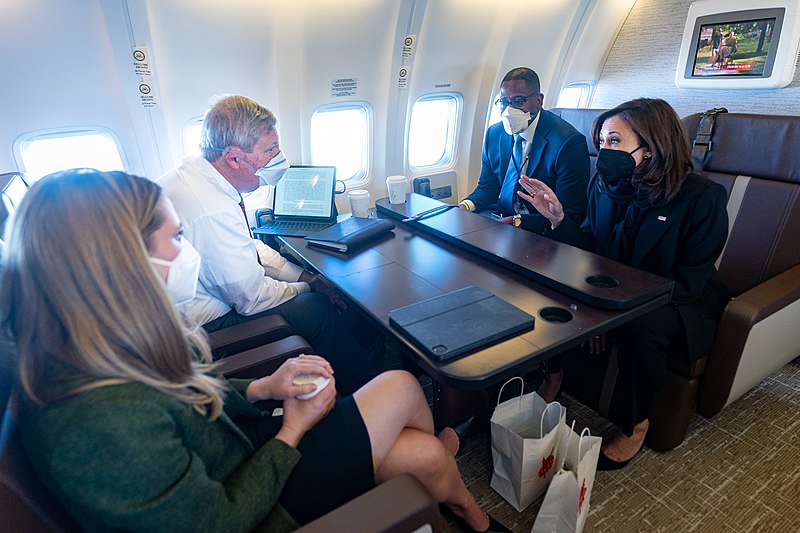
This week, US Vice President Kamala Harris introduced the White House plan to address water security on a global scale. The plan would also put emphasis on how the issue of water scarcity would affect national security.
Harris introduced the plan Wednesday, saying that water security is an “international priority” that, if addressed, can prevent potential conflicts between countries while promoting equity and economic growth. Harris said that the administration is committed to expanding access to safe water, hygiene, and sanitation services all over the world.
The US will also share data collected that can help manage and preserve global water resources. Washington will also use its diplomatic resources to elevate the issue on a global scale.
“Many of our most fundamental national security interests depend on water security,” said Harris.
The vice president explained that water scarcity can affect food production and public health, which will lead to mass migration, and can worsen inequities and disputes over access to clean water leading to armed conflicts.
Harris also stressed that women and girls take on the task of collecting water in many parts of the world. Women and girls spend many hours a day collecting water, when the time could be used for work, school, or spending time with loved ones, said the vice president.
“The past two-and-a-half years during the pandemic have demonstrated that our world is more interconnected and interdependent than ever before. Water scarcity is a global problem and it must be met with a global solution. So today, we make clear the United States will be a leader in the solution,” said Harris.
Harris is also set to announce the Biden administration’s move to forgive student loans of an estimated 560,000 former students of Corinthian Colleges, a group of for-profit colleges that Harris helped shut down when she served as California’s Attorney General, according to the Los Angeles Times.
Harris is expected to make the announcement Thursday at the Education Department, which will absorb the cost of $5.8 billion in outstanding federal loans.
The Biden administration deemed the move as the largest single loan discharge by the department in history. The debt forgiveness, however, will not apply to private loans.













