


 EU Rejects Italy, Greece Calls for Fiscal Rule Flexibility
  ICC Rules Duterte Fit to Stand Trial in Drug War Case
  CFTC Moves to Set New Crypto Rules After CLARITY Act Failure
  Illinois Delays Crypto Tax Law Until July 2027
  UK Sanctions Crypto Exchanges Linked to Russia
  Zelenskiy Criticizes US as Russian Strikes Kill 78 in Ukraine
  SEC Investor Reform Validates Barry Silbert’s Tokenization Vision
  US-Taiwan Ties Remain Strong as Taipei Urges Timely Arms Deliveries
  Russia Targets Danish Ukraine Suppliers in Sabotage Campaign
  Maduro, Wife May Face New US Torture Charges
  Trump Weighs FBI Probe Into Nolan Wells’ Death
  Merz Warns of Extremism After AfD Gains Power in Saxony-Anhalt
  Saudi Arabia Probes Flydubai Cockpit Attack
  New York Declares Measles Disaster Emergency as Cases Surge
  Iran Refuses to Halt Uranium Enrichment Amid US Nuclear Demands
  San Francisco Halts New Data Center Construction With 45-Day Moratorium


 Add as a preferred source on Google
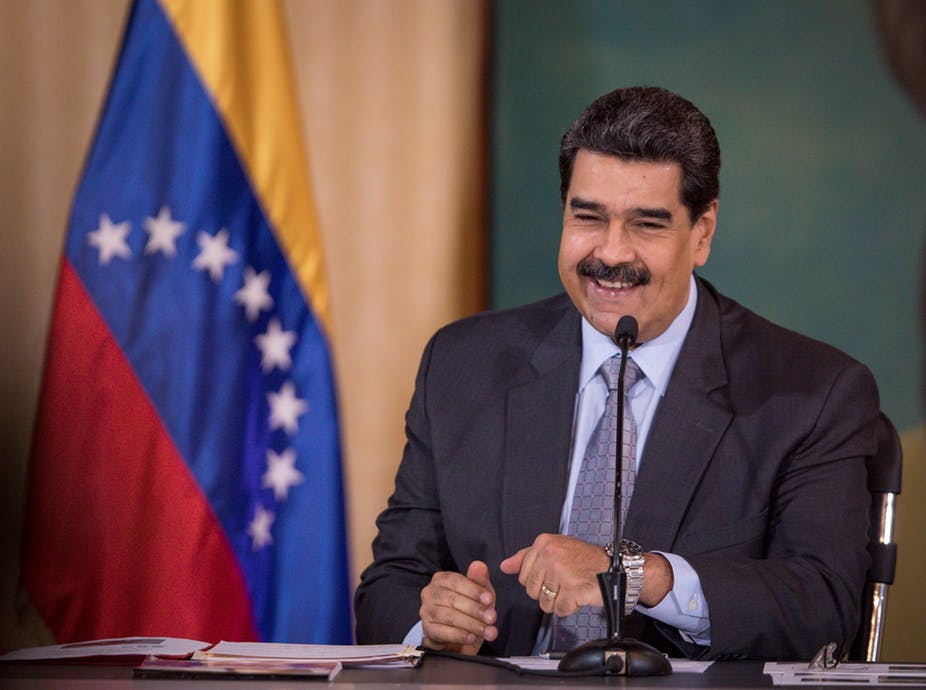
Venezuelan President Nicolas Maduro announced on Tuesday that he had signed a new economic emergency decree aimed at stabilizing the country's struggling economy. Speaking during a televised conference, Maduro emphasized that the measure was necessary to protect Venezuela’s financial system from the adverse effects of rising international tariffs and the revocation of critical trade licenses. The decree is currently pending approval from the National Assembly.
The move comes as Venezuela continues to face significant economic challenges, including hyperinflation, currency devaluation, and international sanctions. Maduro stated that the decree is designed to preserve the country’s economic balance by granting the government additional authority to respond quickly to external economic pressures.
While Maduro did not provide detailed measures included in the decree, he stressed its importance in shielding Venezuela from what he described as economic attacks. The emergency powers, once approved, would enable the government to implement rapid policy changes to support national industries, stabilize the currency, and maintain essential public services.
Analysts note that the decree could be a response to increasing international isolation, particularly as the U.S. and other countries tighten sanctions and suspend licenses that allow Venezuela to trade oil and other commodities. These restrictions have severely limited the country’s access to global markets, worsening its economic downturn.
Critics argue that similar decrees in the past have led to greater state control without resolving the underlying economic issues. However, supporters of the government believe this step is crucial to counteract foreign interference and regain economic sovereignty.
As Venezuela awaits the National Assembly’s decision, the country’s economic outlook remains uncertain. The decree, if enacted, could mark a pivotal moment in how the Maduro administration manages ongoing financial instability amid global pressure.







