


 Venezuela Appoints Felix Plasencia to Lead Foreign Relations and Trade
  Trump to Deliver National Address on Declassified 2020 Election Intelligence
  Stellantis Q2 Vehicle Shipments Rise 10% as North America Drives Growth
  Yaskawa Electric Shares Slide as Weak Profit Overshadows Strong AI Demand
  Iran Says It Closes Strait of Hormuz After Warning Shot at Vessel
  Russia Launches Missile and Drone Attacks on Kyiv, Zaporizhzhia, and Kharkiv
  Minnesota Wildfires Spread as Governor Tim Walz Deploys National Guard
  TSMC Q2 Revenue Surges 36% as AI Chip Demand Powers Growth Ahead of Earnings
  Trump Administration Bars U.S. Travelers From Congo Flights Amid Ebola Outbreak
  Trump Tells Congress Iran Hostilities Restarted, Citing New 60-Day War Powers Window
  Apple Sues OpenAI, Former Employees Over Alleged Trade Secret Theft
  UK Sanctions 24 Russian-Linked Targets Over Cyberattacks and Election Interference
  Ukraine, Europe Launch Freyja Missile Shield to Strengthen Air Defense Against Russia
  Apple Tests China's CXMT Memory Chips as DRAM Maker Gains Global Market Share
  SK Hynix Prices Record U.S. ADR Offering at $149 After $200 Billion Investor Demand
  Nvidia Invests $500M in Firmus Technologies Ahead of Planned ASX IPO
  Samsung Chairman Lee Jae-yong Expected to Meet Nvidia CEO Jensen Huang on AI and Chip Partnership


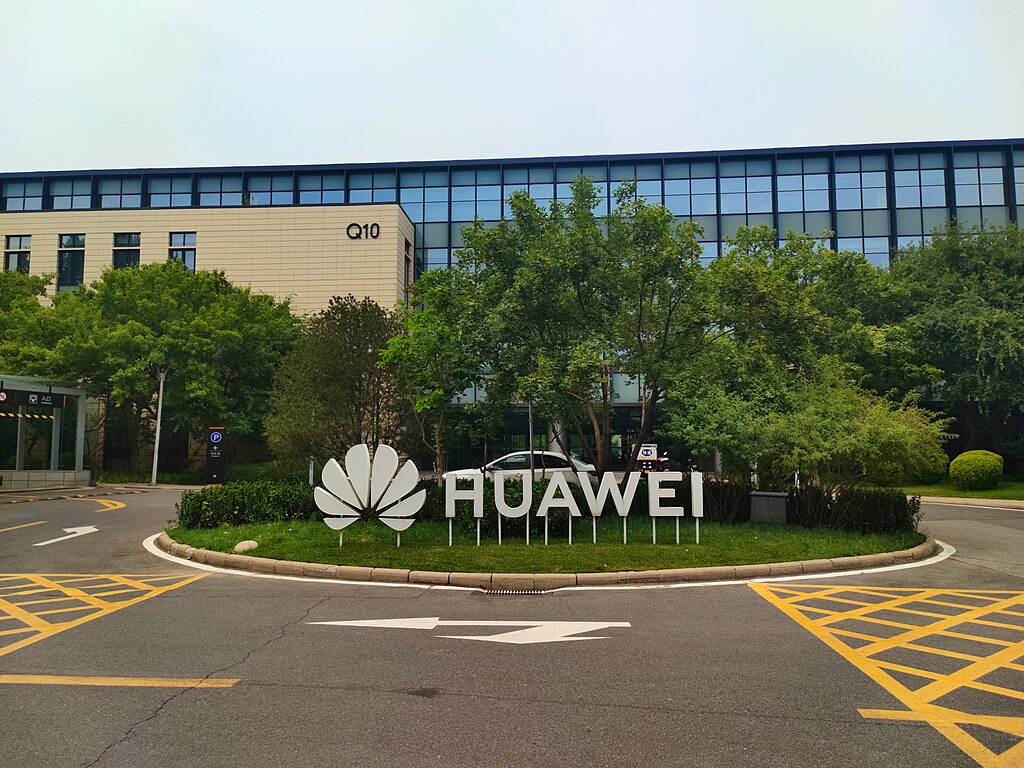
China’s telecom giants Huawei and ZTE have secured several 5G equipment contracts in Vietnam this year, signalling closer ties between Hanoi and Beijing and triggering concern among Western officials, according to multiple sources familiar with the matter. Vietnam, which for years avoided Chinese technology in critical infrastructure due to security worries, appears to be shifting its approach as relations with China warm and tensions with the United States rise over new tariffs on Vietnamese exports.
While Ericsson, Nokia and U.S. chipmaker Qualcomm continue to supply Vietnam’s core 5G infrastructure, Chinese companies are increasingly winning smaller state-owned operator tenders. Procurement data shows a Huawei-led consortium secured a $23 million contract in April—just weeks after the White House announced tariffs on Vietnamese goods. ZTE has also obtained over $20 million in antenna contracts, with its first publicly disclosed win occurring in September after the tariffs took effect. Although no direct link to U.S. trade measures has been established, the timing has raised diplomatic concerns.
Washington has long viewed the exclusion of Chinese contractors from Vietnam’s digital backbone—such as undersea cables and 5G networks—as a key condition for cooperation on advanced technologies. Huawei and ZTE remain banned from U.S. telecom networks over national security risks, and several European countries enforce similar restrictions. Western diplomats in Hanoi have recently held discussions about the implications of Vietnam’s deals with Chinese suppliers, warning that the partnerships could weaken trust in Vietnam’s digital security and limit access to U.S. technology.
Vietnam’s evolving stance reflects broader geopolitical and economic pressures. Despite Huawei losing several bids this year, it continues collaborating on technical services and recently signed a 5G technology transfer agreement with Viettel, Vietnam’s military-owned telecom operator. Analysts note that Chinese equipment, often cheaper, may appeal to Vietnam as it deepens economic integration with China.
Still, experts warn that mixing Western and Chinese 5G components increases security risks, as equipment suppliers may gain access to sensitive network data. The situation underscores the delicate balance Vietnam faces as it navigates competition between global powers while advancing its digital infrastructure.







