


 CDC Monitors U.S. Travelers After Hantavirus Outbreak on Luxury Cruise Ship
  Venezuela Earthquake Health Risks Rise as Disease Monitoring Intensifies
  The government is ‘doubling down’ on its social media ban. But bigger penalties for platforms aren’t enough
  RFK Jr. Spokesman Resigns Over Trump Administration’s Flavored E-Cigarette Policy
  France Battles Mediterranean Wildfires as Heatwave Fuels Fire Risk
  Supreme Court Asked to Reinstate Mail-Order Access to Abortion Pill Mifepristone
  RFK Jr. Orders Extended Hantavirus Quarantine for Cruise Passenger
  Takeda Hit With $885M Verdict Over Amitiza Generic Drug Delay Scheme
  US Tightens Ebola Controls as Congo Outbreak Sparks Global Concern
  UNAIDS Urges U.S. to Reconsider South Africa HIV Funding Withdrawal
  TrumpRx Expands Discount Drug Access With 600 Generic Medications
  Medicare to Cover GLP-1 Weight-Loss and Diabetes Drugs Starting July 1
  Hantavirus Cruise Ship Outbreak Triggers Global Health Alert
  US Plans Kenya Ebola Quarantine Facility Amid Congo Outbreak


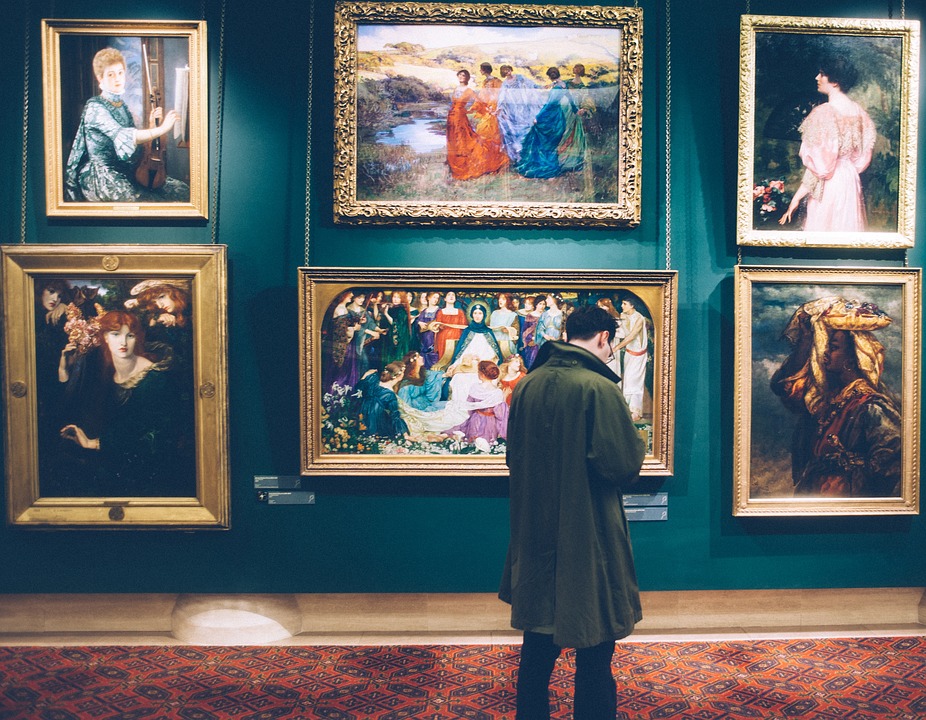
Longevity is something that everyone wants, to be able to live a long and healthy life. A new report reveals that engaging in the arts may also help increase life expectancy.
Most of the time, longevity can be attributed to the kind of food being eaten and the exercise being taken. But a new study showed that engaging in the arts, such as visiting museums and attending concerts, can also increase a person’s life expectancy. Exposure to art and music, in general, has already shown in several studies to alleviate chronic pain, reducing the risk of neurodegenerative diseases in the elderly such as Alzheimer’s and dementia, and stimulate brain development in children.
The study, published in the British Medical Journal, involved the researchers following people 50 years old and older over a span of 14 years. At the end of the study, they found that those who attended a concert or visited a museum once or twice a year were less likely to die during that time by 14 percent compared to those who did not. They also found that life expectancy increased among people who engaged in the arts more frequently. Visiting a museum or the theater once every few months increased their life expectancy by a substantial amount.
Even with other controlled factors such as mobility, educational attainment, and monthly income, the researchers found that there was still a noticeable difference with people who often engage themselves in the arts. Because the study did not specify what kind of music or art or theater production would lead to an increase in life expectancy, the theory the researchers had was that people who frequently expose themselves to the arts are “likely to be more engaged in the world,” said Andrew Steptoe, one of the co-authors of the study.
As far as diet is concerned, Express reports that following the Japanese diet can also increase a person’s life expectancy. As the nation is known for having a very low mortality rate, their high life expectancy can be attributed to what they eat. The Japanese diet is generally low on saturated fat, uses little to no processed food, low in added sugars and fats and is high in carbohydrates from vegetables and rice.







