


 Bank of Japan Signals Readiness for Near-Term Rate Hike as Inflation Nears Target
  Dollar Near Two-Week High as Stock Rout, AI Concerns and Global Events Drive Market Volatility
  Singapore Budget 2026 Set for Fiscal Prudence as Growth Remains Resilient
  Alphabet’s Massive AI Spending Surge Signals Confidence in Google’s Growth Engine
  U.S. Announces Additional $6 Million in Humanitarian Aid to Cuba Amid Oil Sanctions and Fuel Shortages
  FDA Targets Hims & Hers Over $49 Weight-Loss Pill, Raising Legal and Safety Concerns
  SpaceX Prioritizes Moon Mission Before Mars as Starship Development Accelerates
  U.S. Lawmakers to Review Unredacted Jeffrey Epstein DOJ Files Starting Monday
  SpaceX Pushes for Early Stock Index Inclusion Ahead of Potential Record-Breaking IPO
  Once Upon a Farm Raises Nearly $198 Million in IPO, Valued at Over $724 Million
  SoftBank Shares Slide After Arm Earnings Miss Fuels Tech Stock Sell-Off
  Asian Stocks Slip as Tech Rout Deepens, Japan Steadies Ahead of Election
  U.S. Sanctions on Russia Could Expand as Ukraine Peace Talks Continue, Says Treasury Secretary Bessent
  China Extends Gold Buying Streak as Reserves Surge Despite Volatile Prices
  Gold and Silver Prices Rebound After Volatile Week Triggered by Fed Nomination
  Newly Released DOJ Epstein Files Expose High-Profile Connections Across Politics and Business
  OpenAI Expands Enterprise AI Strategy With Major Hiring Push Ahead of New Business Offering


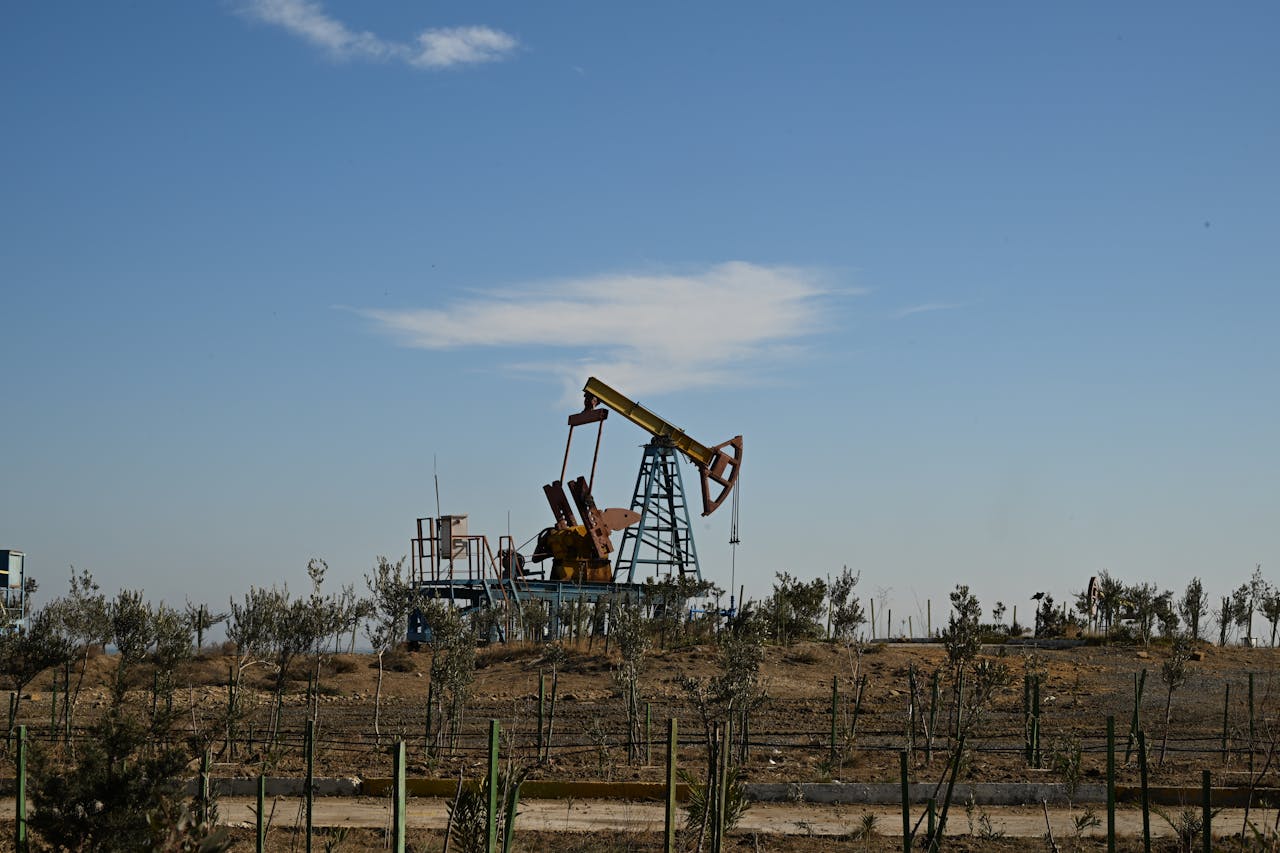
Commodities trading giant Vitol is preparing to load the first shipment of U.S. naphtha bound for Venezuela this weekend, marking a significant step in efforts to revive the country’s oil industry. According to sources cited by Reuters, the cargo will be transported under a newly announced supply arrangement following recent political changes in Caracas supported by the Trump administration.
Naphtha plays a critical role in Venezuela’s energy sector as a diluent used to thin its extra-heavy crude oil, making it easier to transport and refine. The resumption of naphtha shipments from the United States is expected to help stabilize and potentially increase crude oil production after months of disruption.
Venezuela’s state-run oil company PDVSA had recently been forced to curb output after a prolonged U.S. naval blockade restricted exports, causing oil storage facilities to reach capacity. With exports limited, crude was increasingly stored offshore on tankers, further straining operations. The new flow of diluent could ease these bottlenecks and allow production to ramp up again.
Vitol, along with rival trader Trafigura, has confirmed agreements with the U.S. government to assist in marketing stranded Venezuelan oil. These deals followed approval by Venezuela’s interim government to export as much as 50 million barrels of crude oil to the United States. Oil major Chevron is also involved in sourcing naphtha to support renewed production.
Sources say Vitol has chartered the tanker Hellespont Protector, which is set to load approximately 460,000 barrels of naphtha from Houston. The vessel is expected to complete loading over the weekend and deliver the cargo to Venezuela next week.
Previously, Venezuela relied on U.S. diluents until licenses were revoked last year, prompting a shift toward Russian supplies. Analysts note that if Russian naphtha imports are now curtailed, the United States will need to quickly fill the gap to prevent further production shutdowns. Overall, the restart of U.S.-Venezuela naphtha trade could reshape regional oil flows and strengthen America’s role in supporting Venezuela’s oil recovery.













