


 US, EU Push for Action Against Asia’s Excess Factory Capacity
  Berlin Coalition Talks Advance After Left Party Antisemitism Deal
  Maduro, Wife May Face New US Torture Charges
  San Francisco Halts New Data Center Construction With 45-Day Moratorium
  EU Gives Crypto Platforms Three Months to Remove USDT Under MiCA Rules
  Florida Seeks Tougher Meta Rules to Protect Young Users
  UK Sanctions Crypto Exchanges Linked to Russia
  Saudi Arabia Probes Flydubai Cockpit Attack
  Mexico Bars Dual Citizens From Presidential Races Starting in 2028
  Pentagon Orders Iran Strike Preparations as Trump Weighs Military Action
  OpenAI, Anthropic Back Mandatory AI Breach Reporting in Australia
  Trump Plans Diesel Tax Relief as Fuel Prices Hit Record Highs
  Trump Backs Florida Golf Course as Presidential Retreat
  Trump Says He Deserves 2026 Nobel Peace Prize Despite Uncertain Chances
  US-Led Coalition Targets Global Factory Overcapacity
  UK Warned Over Growing Reliance on US Cloud Providers


 Add as a preferred source on Google
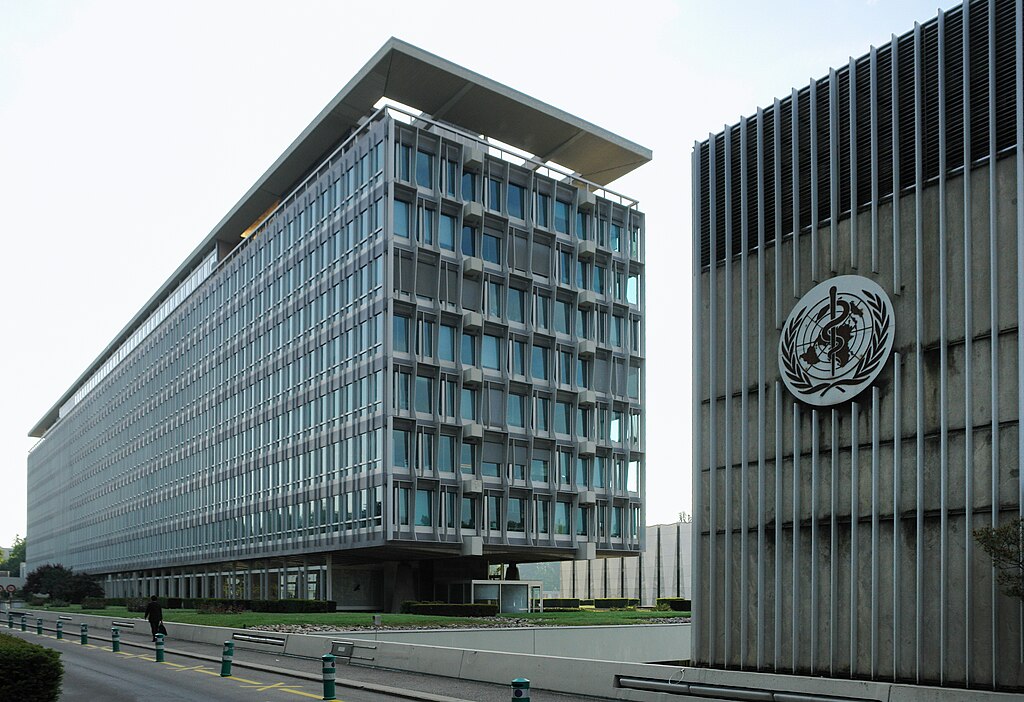
Hundreds of global health officials, diplomats, and donors are gathering in Geneva for the World Health Organization’s annual assembly amid a deepening funding crisis sparked by the U.S. withdrawal. Since President Donald Trump signed an executive order in January to exit the WHO, the agency has been preparing for a 21% budget cut, creating a $600 million funding gap for 2025.
The U.S., which historically contributed around 18% of WHO funding, remains a member until January 21, 2026, due to a year-long legal exit process. Trump cited dissatisfaction with WHO’s COVID-19 response, a claim the agency denies. Although he later suggested he might reconsider, there has been no indication of a policy reversal.
With the U.S. stepping back, China is poised to become the WHO’s largest state funder, increasing its share to 20% of assessed contributions. As WHO shifts toward “high-value” programs, its focus will remain on pandemic response, vaccine approvals, and essential disease guidelines, while scaling back training and operations in wealthier nations.
Internal restructuring has already begun, including staff cuts and budget reductions. WHO Foundation CEO Anil Soni noted the crisis has triggered a broader review of the agency’s operations, questioning the necessity of some programs and publications. Key health projects are now turning to private donors, such as the ELMA Foundation, which recently provided $2 million to support WHO’s global measles and rubella lab network.
The assembly will also approve a new pandemic preparedness agreement and seek additional donor funding. Still, the spotlight remains on how the WHO will function in a post-U.S. era, with one manager even requesting staff to volunteer as ushers without pay — a stark reflection of the financial strain facing global health governance.







