


 Trump, Canada Reach Gordie Howe Bridge Deal Ahead of July 27 Opening
  Trump Administration Bars U.S. Travelers From Congo Flights Amid Ebola Outbreak
  EU Weighs New Trade Restrictions on Israeli West Bank Settlements
  Western Allies Push for More Air Defenses for Ukraine at Paris Summit
  DOJ Subpoenas New York Times Journalists Over Air Force One Leak Report
  HHS Watchdog Reports $5.56 Billion in Healthcare Fraud Recoveries as Enforcement Actions Decline
  Iraq PM Visits Washington as U.S. Oil, Gas Deals Take Center Stage
  Iran Says It Closes Strait of Hormuz After Warning Shot at Vessel
  Trump Recommends Darline Graham for Interim South Carolina Senate Seat
  Israeli Strikes Kill Six in Gaza as Ceasefire Talks Continue in Cairo
  Israel Sets October 27 Election as Netanyahu Faces Tough Political Test
  Brazil Court Bars Flavio Bolsonaro From Visiting Jair Bolsonaro Ahead of Election
  Iranian Missile Strike on UAE Oil Tankers Kills Indian Crew Member in Strait of Hormuz
  Russia Launches Missile and Drone Attacks on Kyiv, Zaporizhzhia, and Kharkiv
  Venezuela Appoints Felix Plasencia to Lead Foreign Relations and Trade
  Minnesota Wildfires Spread as Governor Tim Walz Deploys National Guard
  Zelenskiy Plans Ukraine Government Shake-Up as Prime Minister Svyrydenko Set to Step Down


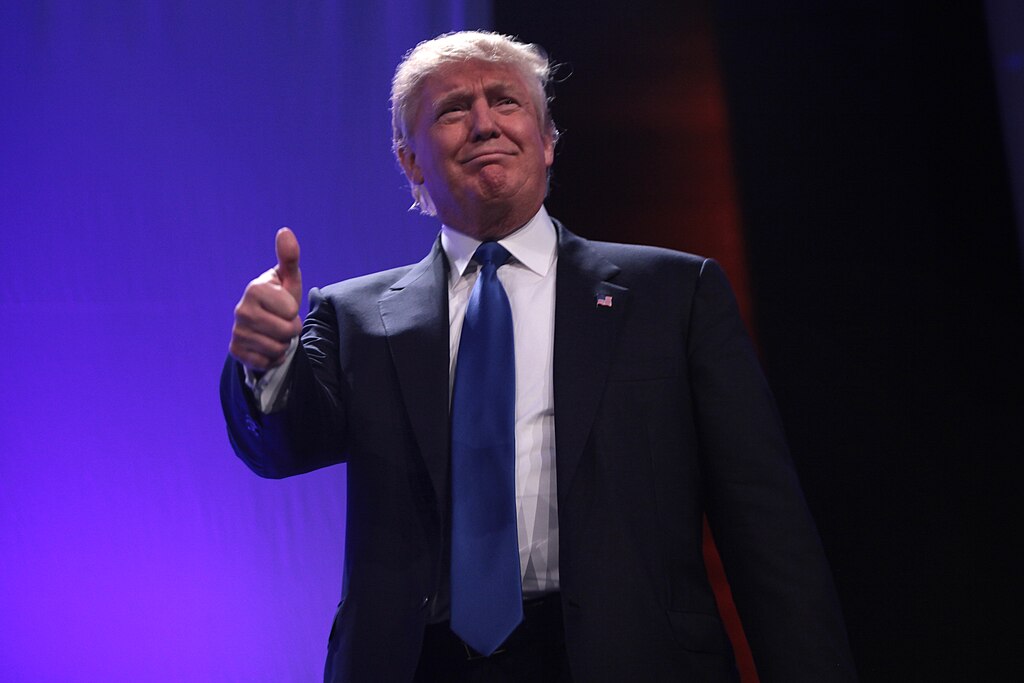
In 2025, President Donald Trump has launched an aggressive campaign to combat financial fraud, introducing policies aimed at protecting consumers and restoring trust in financial institutions. His administration’s efforts focus on tightening regulations, increasing oversight, and holding corporations accountable for deceptive practices.
As financial crimes continue to pose significant risks to the U.S. economy, Trump’s measures seek to address vulnerabilities that undermine public confidence and erode economic stability. However, critics argue that his approach may face challenges in implementation and enforcement.
Key Policies in the Fight Against Financial Fraud
Trump’s administration has unveiled several initiatives aimed at preventing financial fraud:
-
Strengthened Oversight: The administration plans to expand the powers of regulatory agencies like the Securities and Exchange Commission (SEC) and the Financial Crimes Enforcement Network (FinCEN). These agencies will receive additional funding and personnel to enhance their monitoring capabilities.
-
Corporate Accountability: Trump has called for harsher penalties for companies and executives found guilty of fraud, including increased fines and potential imprisonment for repeat offenders.
-
Consumer Protection Reforms: A significant focus is placed on safeguarding consumers from predatory lending, identity theft, and Ponzi schemes. This includes mandating greater transparency in financial products and services.
-
Whistleblower Incentives: The administration has proposed higher monetary rewards for whistleblowers who expose corporate malpractices, aiming to encourage more individuals to report wrongdoing.
-
Digital Asset Regulation: Recognizing the rise of cryptocurrency-related fraud, the administration plans to regulate digital assets more rigorously, targeting scams and unregistered securities.
In a recent speech, Trump stated that his administration is “committed to eradicating fraud at every level” and ensuring that financial institutions operate with integrity. However, some financial experts warn that these initiatives could face resistance from industry lobbyists and legal hurdles.
Mixed Reactions to Trump’s Financial Fraud Crackdown
Public reactions to Trump’s anti-fraud measures have been divided, with supporters praising the reforms and critics questioning their feasibility. Social media has become a battleground for opinions on the issue:
- @ConsumerAdvocate2025: “Finally, real action against financial fraud! Let’s hope this isn’t just talk—America needs accountability.”
- @FinanceWatchdog: “Whistleblower incentives are great, but will Wall Street really be held accountable? Doubtful!”
- @CryptoEnthusiast: “Regulating digital assets is necessary, but let’s not stifle innovation in the process.”
- @LegalEagleXX: “Trump’s plan sounds ambitious, but enforcement will be the real challenge. Will regulators have enough power?”
- @MainStreetVoice: “Protecting consumers from predatory lenders is long overdue. Excited to see how this plays out!”
- @SkepticNow: “More oversight usually means more bureaucracy. Will this actually stop fraud or just slow the system down?”
Can Trump’s Policies Deliver Results?
While Trump’s initiatives mark a bold stance against financial fraud, their success will depend on effective enforcement and bipartisan support. Skeptics argue that the financial sector’s complex nature and powerful influence could hinder meaningful reform. Nevertheless, the administration’s focus on protecting consumers and increasing accountability has resonated with many Americans.







