


 China 618 Smartphone Sales Drop 13% as Higher Prices Hurt Demand, Huawei Gains Market Share
  OpenAI GPT-5.6 Set for Wider Release After U.S. Commerce Approval, Report Says
  Trump Recommends Darline Graham for Interim South Carolina Senate Seat
  Ann Widdecombe Murder: Police Arrest Second Suspect, Rule Out Terrorism Motive
  Zhipu AI Stock Jumps on Report of Custom AI Chip Development Plans
  UN Says Hamas Disrupted Gaza Aid Distribution, Group Denies Allegations
  Venezuela Appoints Felix Plasencia to Lead Foreign Relations and Trade
  Yaskawa Electric Shares Slide as Weak Profit Overshadows Strong AI Demand
  Morgan Stanley Says China’s Reusable Rocket Progress Poses Long-Term Challenge to SpaceX
  Fast Retailing Raises Full-Year Forecast After Uniqlo Owner Beats Q3 Profit Estimates
  Minnesota Wildfires Spread as Governor Tim Walz Deploys National Guard
  Bain Capital Exits Kioxia After AI-Fueled Valuation Surge
  LG Energy Solution Q2 Profit Plunges 77% Despite Revenue Growth on Weak EV Demand
  EU to Propose New Rules Limiting Children's Access to Social Media
  Muji Owner Ryohin Keikaku Stock Soars After Raising Full-Year Earnings Forecast
  Paramount-Warner Bros. Discovery Merger Faces Lawsuit From 12 States
  Apple Sues OpenAI, Former Employees Over Alleged Trade Secret Theft


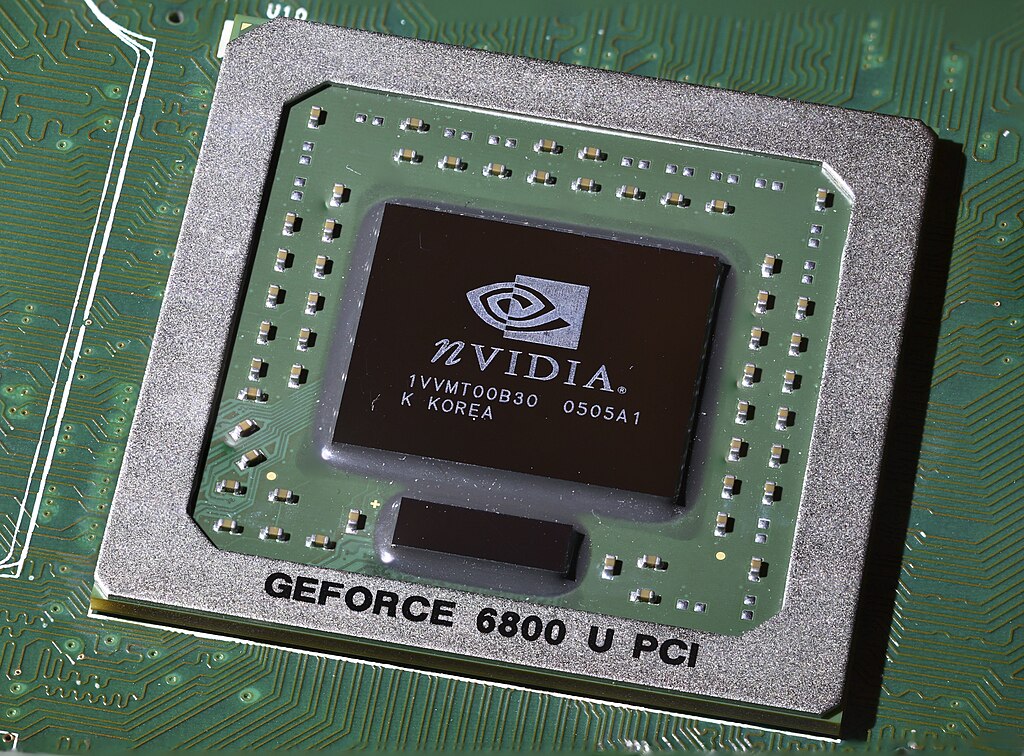
The White House has reportedly barred Nvidia from selling its latest artificial intelligence (AI) chips to China, intensifying U.S. restrictions on the export of advanced computing technology. According to The Information, which cited three sources familiar with the matter, the Biden administration has informed federal agencies that Nvidia’s new scaled-down chip, known as the B30A, cannot be sold to Chinese customers.
Despite the ban, Nvidia has already distributed samples of the B30A to several companies in China. The chip is designed to power high-performance computing and can train large language models (LLMs) when configured in large-scale clusters—technology that is crucial for many Chinese AI firms striving to compete globally.
The U.S. government’s decision is part of a broader strategy to curb China’s access to advanced semiconductor technologies that could enhance its AI and military capabilities. Washington has previously imposed multiple rounds of restrictions on Nvidia and other chipmakers to limit the transfer of cutting-edge processors that can accelerate AI development.
In response, Nvidia is reportedly working to redesign the B30A chip to comply with U.S. export regulations. Two Nvidia employees told The Information that the company hopes the modifications will persuade the administration to ease its stance.
A spokesperson for Nvidia told Reuters that the company currently has “zero share in China’s highly competitive market for datacenter compute” and does not include China in its business guidance. The White House has not yet commented on the report.
The move underscores the growing tensions between the U.S. and China over AI and semiconductor technologies, with Washington aiming to maintain its leadership in the global AI race while limiting China’s access to advanced computing power.







