


 Apple Turns 50: From Garage Startup to AI Crossroads
  Annie Altman Amends Sexual Abuse Lawsuit Against OpenAI CEO Sam Altman
  Britain Courts Anthropic Amid US Defense Department Dispute
  OpenAI Executive Shake-Up Ahead of Anticipated 2026 IPO
  Australia's Social Media Ban for Under-16s Sparks Global Movement
  Samsung Electronics Eyes Record Q1 Profit Amid AI-Driven Chip Boom
  Elon Musk Ties SpaceX IPO Access to Mandatory Grok AI Subscriptions
  Chinese Universities with PLA Ties Found Purchasing Restricted U.S. AI Chips Through Super Micro Servers
  NASA Artemis II: First Crewed Moon Mission Since Apollo Takes Four Astronauts on 10-Day Lunar Journey
  China's Push to Steal Taiwan's Chip Technology and Talent Raises Security Alarms
  SK Hynix Eyes Up to $14 Billion U.S. IPO to Fund AI Chip Expansion
  Meta and Google just lost a landmark social media addiction case. A tech law expert explains the fallout
  SpaceX Eyes Historic IPO at $1.75 Trillion Valuation
  Makemation: a Nollywood movie that shows AI in action in Africa
  Microsoft's $10 Billion Japan Investment: AI Infrastructure and Data Sovereignty Push
  Nanya Technology Shares Surge 10% After $2.5 Billion Private Placement from Sandisk and Cisco
  Federal Judge Blocks Pentagon's Blacklisting of AI Company Anthropic


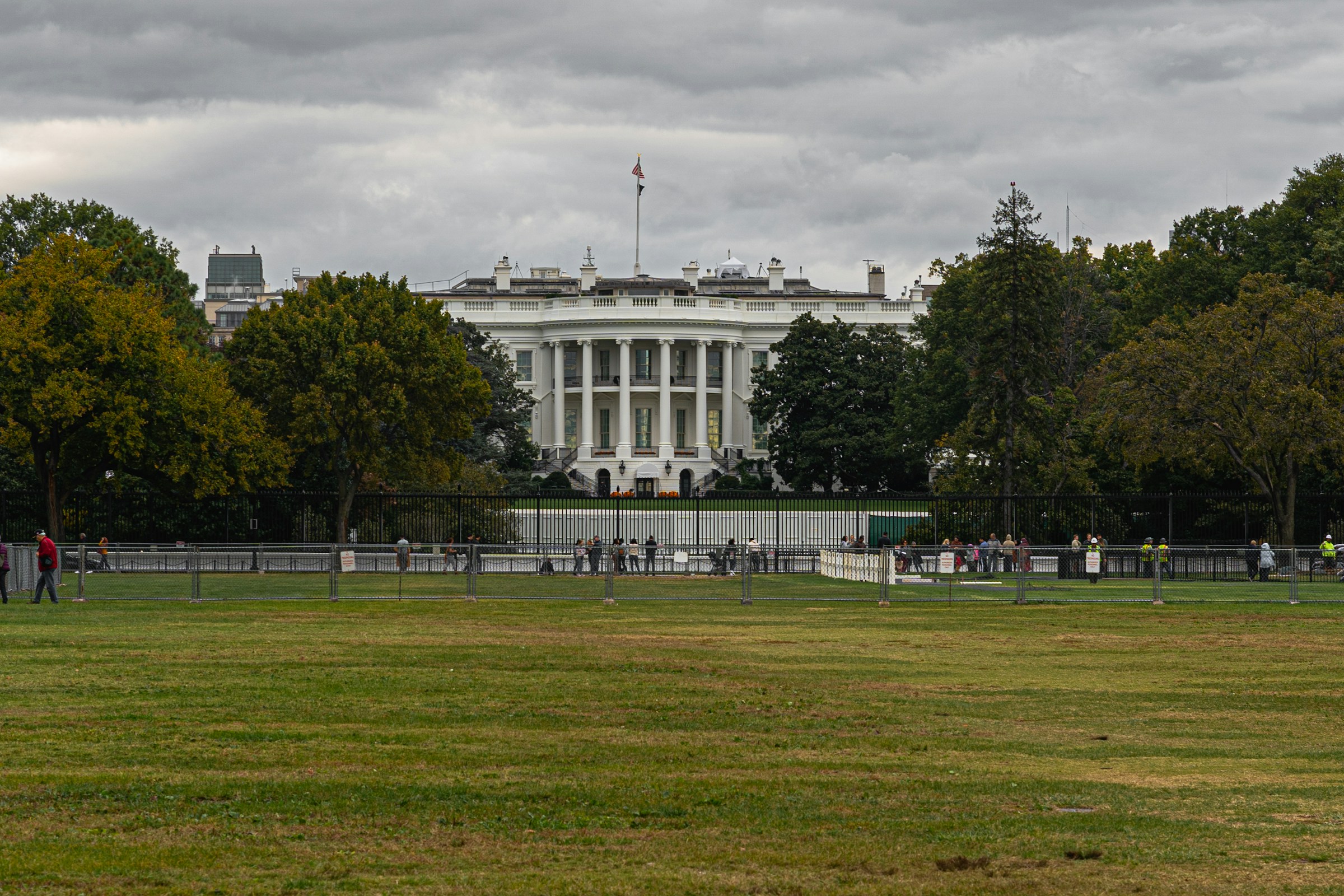
The White House is grappling with the growing challenge of distinguishing authentic information from AI-generated content in an era where sophisticated generative artificial intelligence tools are readily available to the public.
This concern arises as incidents of fake content, such as AI-generated robocalls, threaten to undermine public trust in official communications.
Rise of Generative AI Poses Challenges
Since President Joe Biden assumed office in 2020, White House officials have been closely monitoring developments in artificial intelligence, particularly generative AI.
However, the landscape shifted dramatically with the proliferation of user-friendly AI tools like OpenAI's ChatGPT, prompting a surge in the creation of deep fakes. Major tech companies and startups alike raced to introduce accessible AI platforms, intensifying concerns over the spread of manipulated content.
According to Business Insider, despite regulatory efforts, including the Federal Communications Commission's recent declaration of illegal AI-generated calls, the proliferation of increasingly sophisticated generative AI tools continues unabated. These tools empower individuals with minimal technical expertise to produce convincing yet entirely fabricated images, videos, and audio recordings.
White House Takes Action to Ensure Trustworthy Communications
Recognizing the imperative to safeguard the integrity of official communications, Ben Buchanan, Biden's Special Advisor for Artificial Intelligence, revealed ongoing efforts within the White House to implement robust verification measures.
Buchanan emphasized the necessity of "essentially cryptographically verifying" all official communications from the White House, including statements and videos.
Last year's executive order established an AI Safety Institute to develop content watermarking standards for provenance verification. Buchanan clarified that the initiative to verify White House communications operates independently. Although the process is lengthy, Buchanan affirmed that it is actively underway.
According to Yahoo News, the overarching objective is to instill confidence among the public that any video released by the White House featuring President Biden is authentic and untampered with by external parties.
Buchanan underscored the importance of preemptive measures to mitigate the potential harms of AI-generated content manipulation, emphasizing the administration's commitment to proactively addressing emerging challenges.
Photo: J. Santiago/Unsplash







