


 Jeff Bezos Eyes $100 Billion Fund to Transform Manufacturing With AI
  Rubio Directs U.S. Diplomats to Use X and Military Psyops to Counter Foreign Propaganda
  OpenAI Pulls the Plug on Sora, Ending $1 Billion Disney Partnership
  NVIDIA's Feynman AI Chip May Face Redesign Amid TSMC Capacity Crunch
  Elon Musk Announces Terafab: SpaceX and Tesla to Build Dual AI Chip Factories in Austin, Texas
  Apple Turns 50: From Garage Startup to AI Crossroads
  Chinese Universities with PLA Ties Found Purchasing Restricted U.S. AI Chips Through Super Micro Servers
  Meta and Google just lost a landmark social media addiction case. A tech law expert explains the fallout
  Amazon's "Transformer" Phone: Can It Succeed Where Fire Phone Failed?
  Nintendo Switch 2 Production Cut as Holiday Sales Miss Targets
  SK Hynix Eyes Up to $14 Billion U.S. IPO to Fund AI Chip Expansion
  Golden Dome Missile Defense: Anduril and Palantir Join Forces on Trump's $185B Space Shield
  SMIC Allegedly Supplies Chipmaking Tools to Iran's Military, U.S. Officials Warn
  Federal Judge Blocks Pentagon's Blacklisting of AI Company Anthropic
  AWS Bahrain Region Disrupted by Drone Activity Amid Middle East Conflict
  Cybersecurity Stocks Tumble After Anthropic's Claude Mythos AI Leak Sparks Market Fears


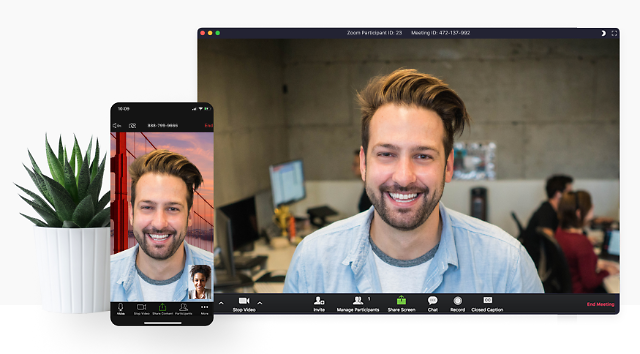

The platforming of our lives on social media apps — like Facebook, Instagram and Twitter — is usually met with criticism. Interactive technologies, like video games and social media, we’re told, make us anti-social. Now, as a result of social distancing efforts in response to the coronavirus pandemic, online social networks and video conferencing platforms like Zoom are redefining what it means to be social through our technologies.
In a less-than-ideal situation, the Zoom conferencing platform has become central to many people’s everyday life during the crisis. Quarantining has forced us to move our social gatherings online; hangouts with friends and family have, for the past month, become virtually possible thanks to new media. My family, like many others, participated in a Zoom Passover seder this year.
Video-sharing apps like TikTok also help us to relieve boredom. The platform’s dance challenges and lip-syncing memes provide a sense of fun and comic relief.
Social media networks and conferencing platforms may be compensating for the loss of social life in a moment of crisis, but perhaps we are getting more than we bargained for.
Remote working
Working from home, and homing while at work, has become part of the routine for many white-collar workers: work life and family life are blending into one.
A couple of weeks ago, my five-year-old son wandered into my home office during a Zoom meeting. This embarrassing scenario is something now familiar to many of us working remotely via Zoom or other video conference platforms. An hour later, both of my children logged onto Zoom meetings of their own for a session of remote schooling.
Work-life balance was hard enough before the crisis. Now, social media is blending private life and work. For parents and caregivers, the extension of the office into personal space can be an added cause of stress. With no separation, we are forced to do it all at once.
The double duties of care and work, what feminists refer to as the “double shift,” isn’t new. But bringing the office space into the home while managing care and the health crisis can be daunting.
Zoom may enable work life during the crisis. But is this really the best way to use our social technologies and media? Maybe this situation gives us an opportunity to see the problems of our culture differently through the prism of social technology.
Anti-social media?
Social isolation may have changed the way we interact online, but apprehensions about social media and other cloud-based social interaction technologies and platforms are justified. Not only do we fear the anti-social effects of social media, many of us are also worried about online surveillance, manipulation and trolling.
Zoom, too, is not exempt from these kinds of security fears. Like other cloud-based technologies, Zoom is not immune to the threat of data mining and surveillance, even from other platforms.
Using social technologies as a lifeline during the ongoing crisis helps us to see beyond the anti-social aspects of the technology. Looking past the interface, we should interrogate online anti-social behaviour less as a problem with the technology and more as having to do with the broader culture of neoliberal capitalism.
Like all media, platforms amplify the social, political and economic conditions in which they are used. Since corporate platforms profit from our usage and data, they all have an interest in keeping our attention and our active participation. This is what makes data mining, for instance, essential to all platforms.
Data has become a staple resource for the new economy of 21st century capitalism. And algorithms are designed to keep us plugged in, whatever the emotional cost.
As critical media scholars have said for years, if the product is free, chances are the commodity is you.
Scholars point to “communicative capitalism” or “platform capitalism” to identify the harmful aspects of platforms and social media. Platforms rely on user-generated content and data mining as part of their profit models.
Like traditional news media and communicative technologies, platform conglomeration risks limiting information freedom and media democracy. Already, Zoom appears to have cornered the market for video conferencing platforms.
The context of using social technologies during the coronavirus crisis should therefore force us to question the future of our media. Will platforms like Zoom help us to enhance our social relationships and the public good, or will they do more to amplify the needs of platform and neoliberal capitalism?
Social media and public culture
Against the background of the COVID-19 crisis, we see just how essential social networking platforms and online communication technologies have become for our social life. At the same time, these technologies extend and embed work into the home.
Can we imagine social media networks and apps designed for the public good? What might it look like if we removed platforms and social media from their corporate setting? Perhaps a social media that lived up to its name.
Given the ways we’re using social technologies and platforms to maintain our social lives during the crisis, we should reconsider our relationships to technology. Maybe technologies and social media don’t make us anti-social, after all, and the cause of the problem lies in a culture that prioritizes profit making over people making.







