


 SK Hynix Soars 13% in Nasdaq Debut After Record $26.5 Billion IPO
  Morgan Stanley Names Marks & Spencer Top European Retail Pick, Sees Strong Upside
  Australia Flags Child Safety Gaps at Apple, Meta, Google Over Online Sexual Extortion
  SK Hynix Prices Record U.S. ADR Offering at $149 After $200 Billion Investor Demand
  TSMC Q2 Revenue Surges 36% as AI Chip Demand Powers Growth Ahead of Earnings
  Nvidia Tightens AI Chip Sales in Asia With Stricter Customer Approval Process
  SK Hynix’s $28B U.S. IPO Draws Strong Demand as AI Chip Boom Fuels Investor Interest
  SpaceX Stock Draws Bullish Wall Street Coverage Ahead of Nasdaq-100 Inclusion
  Wolfspeed Sues Navitas Over GaN and SiC Patent Infringement
  Zhipu AI Raises HK$31.37 Billion in Discounted Share Sale to Accelerate AI Growth
  SoftBank Corp Partners With Sierra to Expand AI Customer Support Across Japan
  Muji Owner Ryohin Keikaku Stock Soars After Raising Full-Year Earnings Forecast
  Bain Capital Exits Kioxia After AI-Fueled Valuation Surge
  Samsung Chairman Lee Jae-yong Expected to Meet Nvidia CEO Jensen Huang on AI and Chip Partnership
  DOJ Grand Jury Investigates UAW President Shawn Fain Ahead of Union Election
  Nippon Paint Reportedly Offers Up to €7.5 Billion for Akzo Nobel Decorative Paints Business
  OpenAI Executive Fidji Simo to Step Down Amid Health Challenges Ahead of IPO


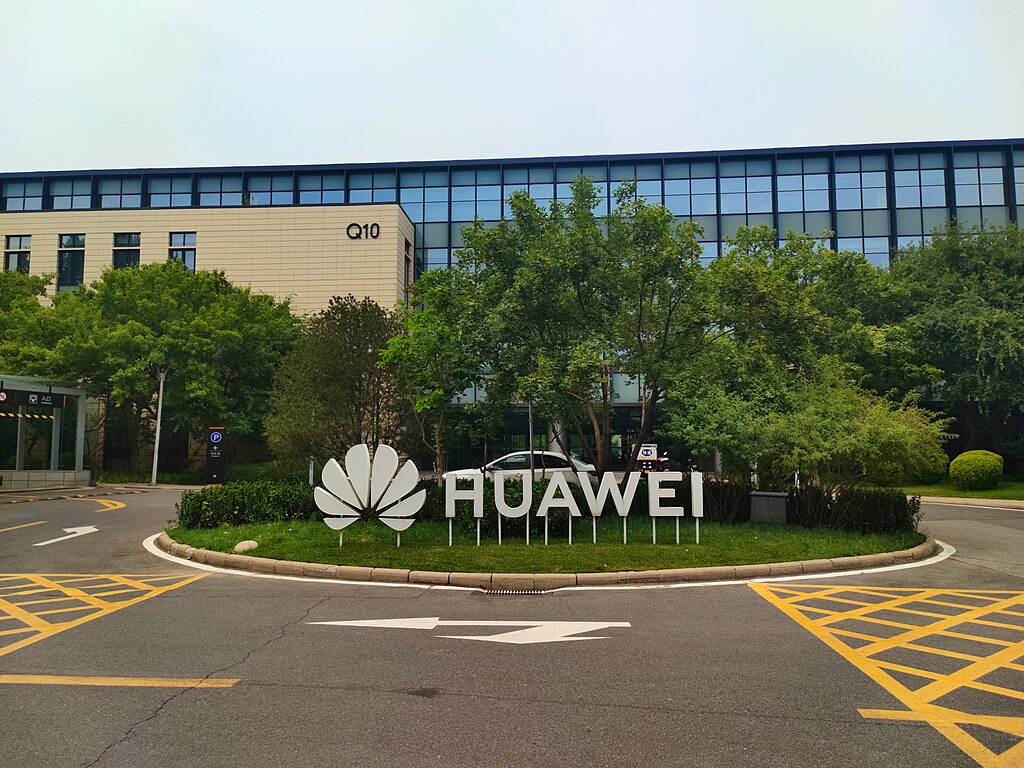
Chinese artificial intelligence startup Zhipu AI has unveiled a new open-source image generation model, marking a significant milestone in China’s push for technological self-reliance. The model, called GLM-Image, was trained entirely on Chinese-made hardware from Huawei, highlighting progress in reducing dependence on foreign semiconductor technology amid ongoing geopolitical and trade tensions.
Zhipu AI, officially listed as Knowledge Atlas Tech Joint Stock (HK:2513), said the GLM-Image model was trained end-to-end using Huawei’s Ascend Atlas 800T A2 chips. This development is notable as advanced AI models typically rely on high-performance chips from U.S. companies such as NVIDIA. By successfully training a large-scale AI model on domestically produced hardware, Zhipu demonstrated the growing capability of China’s local AI and semiconductor ecosystem.
The announcement had an immediate impact on the market. Zhipu’s shares surged more than 17% to HK$222.60 following the news, reflecting strong investor confidence in the company’s technology strategy and growth potential. The release also fueled a broader rally in Chinese chipmaking stocks, underscoring optimism around domestic alternatives to U.S.-made AI processors.
Zhipu is widely regarded as one of China’s “AI tigers,” a group of leading startups driving innovation in artificial intelligence. It recently became the first among this group to go public, recording a strong debut in Hong Kong last week. The launch of GLM-Image further strengthens its position as a frontrunner in China’s AI industry.
China’s emphasis on self-reliance in AI has intensified as access to advanced U.S. chips has become increasingly restricted. Washington has limited the sale of cutting-edge NVIDIA products, including the Blackwell line, to Chinese companies. While NVIDIA has reportedly received approval to sell its H200 chip in China, local authorities have been cautious about large-scale purchases. Although Huawei’s chips are still considered less powerful than NVIDIA’s most advanced offerings, they are emerging as viable domestic alternatives.
The success of GLM-Image signals steady progress toward Beijing’s long-term goal of building a fully independent AI technology stack, with semiconductors at its core, and positions Zhipu AI as a key player in shaping China’s AI future.







