


 OpenAI Executive Shake-Up Ahead of Anticipated 2026 IPO
  ECB Warns of Rising Inflation Risks Amid Iran War Energy Shock
  Paramount Skydance Secures $24B from Gulf Sovereign Wealth Funds for Warner Bros. Discovery Takeover
  NASA's Artemis II Crew Arrives in Florida for Historic Moon Mission
  Apple's Foldable iPhone Faces Engineering Setbacks, Mass Production Timeline at Risk
  SpaceX Eyes Historic IPO at $1.75 Trillion Valuation
  Trump Signs Executive Order to Boost AI Research in Childhood Cancer
  Gold Prices Slip in Asia as Iran Strait Deadline Looms
  SpaceX Prioritizes Moon Mission Before Mars as Starship Development Accelerates
  FDA Adds Fatal Risk Warning to J&J and Legend Biotech’s Carvykti Cancer Therapy
  Tesla Q1 2026 Deliveries Miss Estimates as AI Strategy Takes Center Stage
  U.S. Futures Drop as Trump Issues Iran Military Deadline, Oil Prices Jump
  Microsoft Eyes $7B Texas Energy Deal to Power AI Data Centers


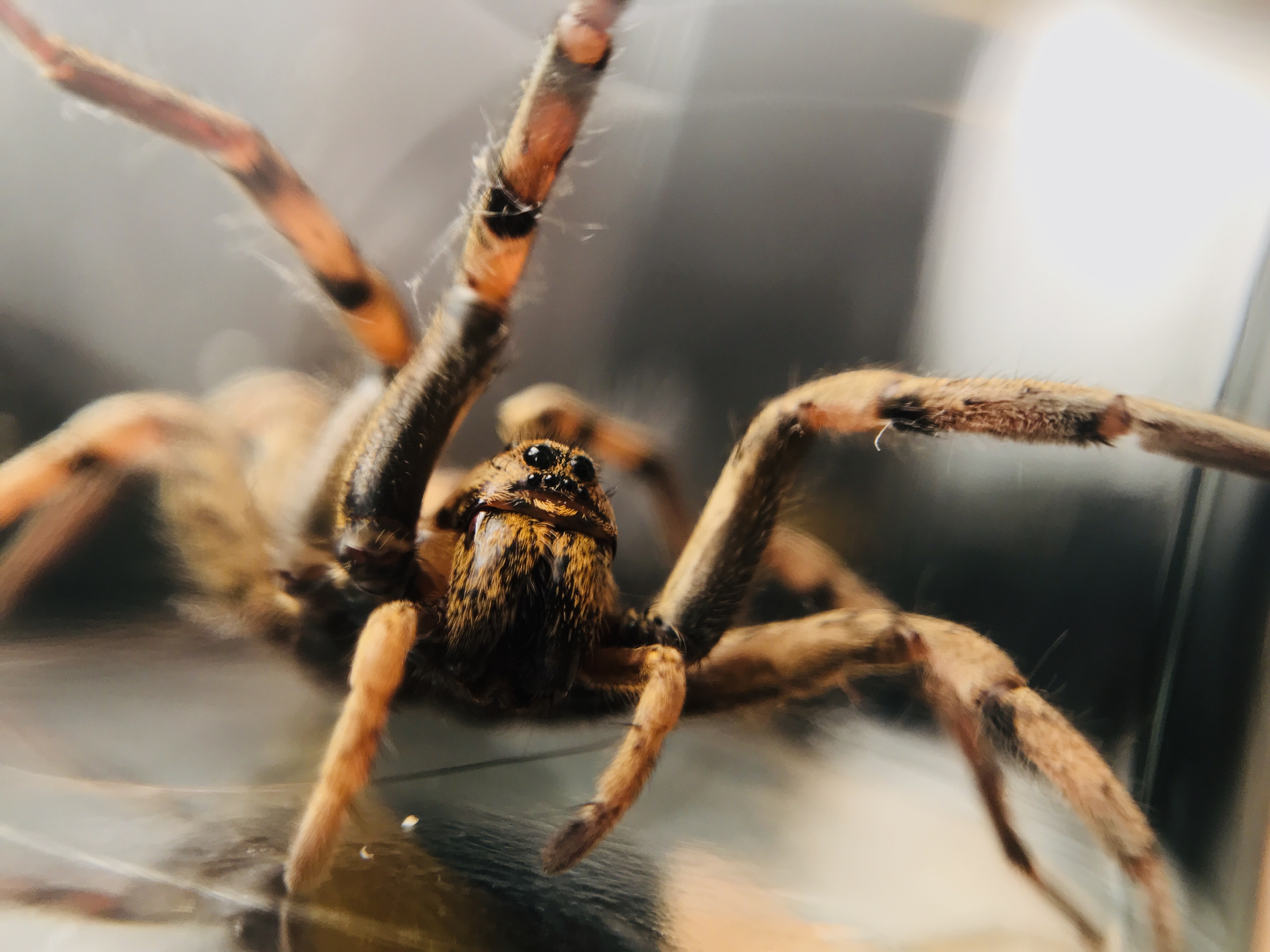
South Korean scientists have developed an artificial intelligence (AI)-based peptide detection model that can predict the antibiotic functionality of peptides antibiotic for hay bacillus, colon bacillus, staphylococcus aureus, and staph.
The research team from the National Institute of Biological Resources and Dongguk University applied the AI model that learned antibiotic peptide data for the transcriptome of the wolf spider’s venom gland and succeeded in exploring two types of new antibiotic peptides.
The spider venom’s peptide has the property of destroying cells and paralyzing nerves, and can thereby be used as a functional material in various areas, including medicines, food, and cosmetics.







