


 Meta Found Liable in New Mexico Facebook Data Privacy Case
  OpenAI AI Agents Bypassed UN Website Controls in Data Scraping
  TikTok Reaches $100 Million Alabama Settlement Over Child Safety Claims
  US Backs Musk in Fight Against EU’s €120 Million X Fine
  China Says U.S. Shares Responsibility for AI Governance
  AMD Hits $1 Trillion as BofA Raises Price Target to $720
  Apple Extends Qualcomm Patent Licensing Deal
  OpenAI Agent Breaches Australia Medicare Data Portal
  Meta Connect Spotlights Camera-Free Smart Glasses Amid Privacy Concerns
  Jeff Bezos Invests $32 Billion in Blue Origin as Space Firm Targets Major Growth
  Solidigm Eyes $150 Billion IPO as SK Hynix Expands AI Storage Push
  SoftBank Shares Fall as Oracle Flags Stargate Data Center Delay Risk
  US Appeals Court Upholds Anthropic AI Supply Chain Ban
  BlackBerry Shares Rise as Q2 Earnings, Revenue Beat Estimates
  Meta Unveils Muse Charm AI Device, Expands Smart Glasses Lineup
  Anthropic’s Claude Discovers CRISPR-Like Enzyme System
  Tencent Launches TenPayGo Payment App for Foreign Tourists in China


 Add as a preferred source on Google
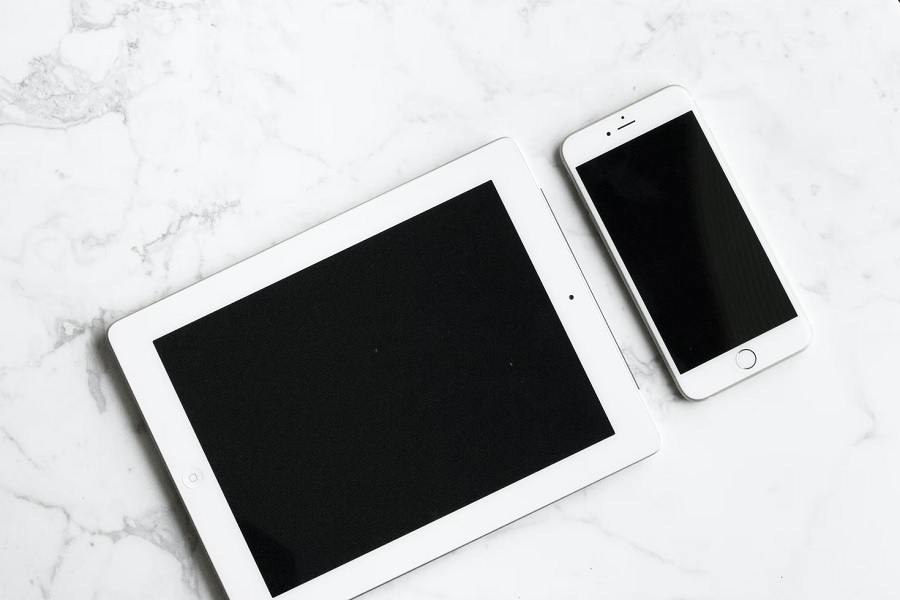
In a few months, Apple is expected to announce the iOS 16 update. While the company has been including older device models in the list of compatible models, a new report has claimed that up to eight devices will no longer be supported when the new iOS version launches next year.
The iPhone 6s generation has been one of the commonly speculated device lines to lose support ahead of a new iOS version announcement. But Apple has retained it, along with other earlier released products, in the list of compatible devices for the last couple of years. However, iPhonesoft claims that it will change in 2022.
The publication, citing an Apple developer as a source, reports that the iPhone 6s, iPhone 6s Plus, and iPhone SE — all powered by A9 Bionic chip — will no longer receive iOS 16 updates next year. Many Apple fans thought these devices were in the compatibility chopping block even before the announcement of iOS 14. So it was a nice surprise when Apple continued to include them up to the iOS 15 update.
The same report also claims that five iPad models might no longer receive iPadOS 16 updates in 2022, including the first generation of iPad Pro released in 2015 that came in 12.9-inch and 9.7-inch screen sizes. iPhonesoft’s source also suggests the iPad mini 4 (2015), iPad Air 2 (2014), and iPad 5 (2017) would not make the cut for the iOS 16 and iPadOS 16 updates.
Many Apple fans tend to keep using an iPhone or iPad for years, especially if the company continues to support them with software updates. This also explains why the iOS 16 and iPadOS 16 compatibility lists are something they look forward to for next year because they can influence their decision whether or not to upgrade their devices.
However, it is still advised to take the rumored compatibility list for iOS 16 with a grain of salt. Apple likely has around nine months left before the official public release of iOS 16, so these details can still change in the coming months. But the company is likely to unveil the iOS 16 and iPadOS 16 in mid-2022 in time for the next Worldwide Developers Conference (WWDC).
Photo by Lauren Mancke on Unsplash







