


 OpenAI Executive Fidji Simo to Step Down Amid Health Challenges Ahead of IPO
  China 618 Smartphone Sales Drop 13% as Higher Prices Hurt Demand, Huawei Gains Market Share
  Samsung to Launch First Yongin Chip Plant by 2029 as South Korea Speeds Up Semiconductor Hub
  Levi Strauss Raises 2026 Outlook After Q2 Earnings Beat, Shares Drop Despite Strong Results
  UBS Starts CarTrade Tech With Buy Rating, Sees Strong Earnings Growth and ₹4,000 Target
  AstraZeneca Shares Sink After Wainua Trial Misses Key Heart Disease Goal
  Mastercard Explores Sale of Majority Stake in UK Payments Firm Vocalink: Report
  Elon Musk Says Anthropic Leads AI Race as Claude Models Challenge OpenAI
  Deutsche Bank Fined A$2 Million by ASIC Over OTC Derivatives Reporting Errors
  Fast Retailing Raises Full-Year Forecast After Uniqlo Owner Beats Q3 Profit Estimates
  Apple Sues OpenAI, Former Employees Over Alleged Trade Secret Theft
  TSMC Q2 Revenue Surges 36% as AI Chip Demand Powers Growth Ahead of Earnings
  Muji Owner Ryohin Keikaku Stock Soars After Raising Full-Year Earnings Forecast
  Stellantis Q2 Vehicle Shipments Rise 10% as North America Drives Growth
  Australia Flags Child Safety Gaps at Apple, Meta, Google Over Online Sexual Extortion
  SpaceX Stock Draws Bullish Wall Street Coverage Ahead of Nasdaq-100 Inclusion


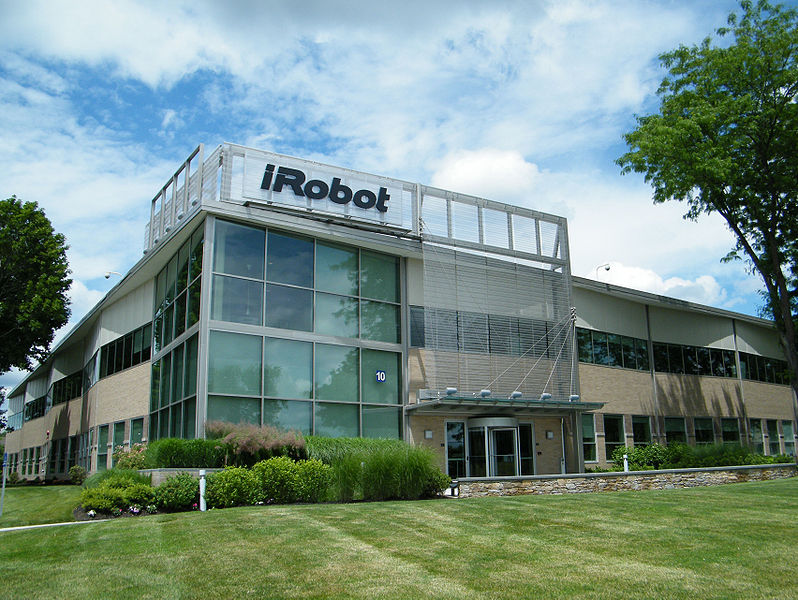
iRobot, the company behind the popular Roomba robotic vacuum cleaner, has filed for Chapter 11 bankruptcy protection in the United States as it prepares to go private through an acquisition by Picea Robotics, its primary manufacturing partner. The filing was made in Delaware bankruptcy court after months of financial strain caused by intense market competition, higher operating costs, and new U.S. trade tariffs.
The Bedford, Massachusetts–based robotics company previously warned in March that its ability to continue operating was at risk. While iRobot generated approximately $682 million in revenue in 2024, profitability has steadily declined. The company has faced growing pressure from lower-priced robotic vacuum competitors, particularly Chinese brands such as Ecovacs Robotics, which have gained global traction by offering similar features at reduced prices.
Despite maintaining a strong market position, including an estimated 42% share of the U.S. robotic vacuum market and about 65% in Japan, iRobot has been forced to lower prices and invest heavily in product innovation to remain competitive. These efforts, combined with external cost pressures, have further strained its finances.
One of the most significant challenges has come from new U.S. tariffs, especially a 46% levy on imports from Vietnam, where iRobot manufactures vacuum cleaners for the U.S. market. According to court filings, these tariffs added roughly $23 million in costs in 2025 and created uncertainty around long-term planning.
iRobot currently carries about $190 million in debt, largely stemming from a 2023 loan used to refinance operations while a proposed $1.4 billion acquisition by Amazon was under regulatory review in Europe. After the Amazon deal collapsed, iRobot fell behind on payments to Picea, which subsequently acquired the company’s debt from investment funds managed by the Carlyle Group.
Under the bankruptcy plan, Picea Robotics will assume full ownership of iRobot, cancel the $190 million loan balance, and forgive an additional $74 million owed under manufacturing agreements. Other creditors and suppliers are expected to be paid in full. iRobot has stated that the bankruptcy process will not disrupt product support, app services, customer programs, or global partnerships.
Founded in 1990 by three MIT roboticists, iRobot shifted from defense and space robotics to consumer products with the launch of the Roomba in 2002. Once valued at $3.56 billion during the pandemic-driven demand surge in 2021, the company’s valuation has fallen to around $140 million. iRobot currently employs 274 people and says it remains focused on supporting customers as it restructures.







