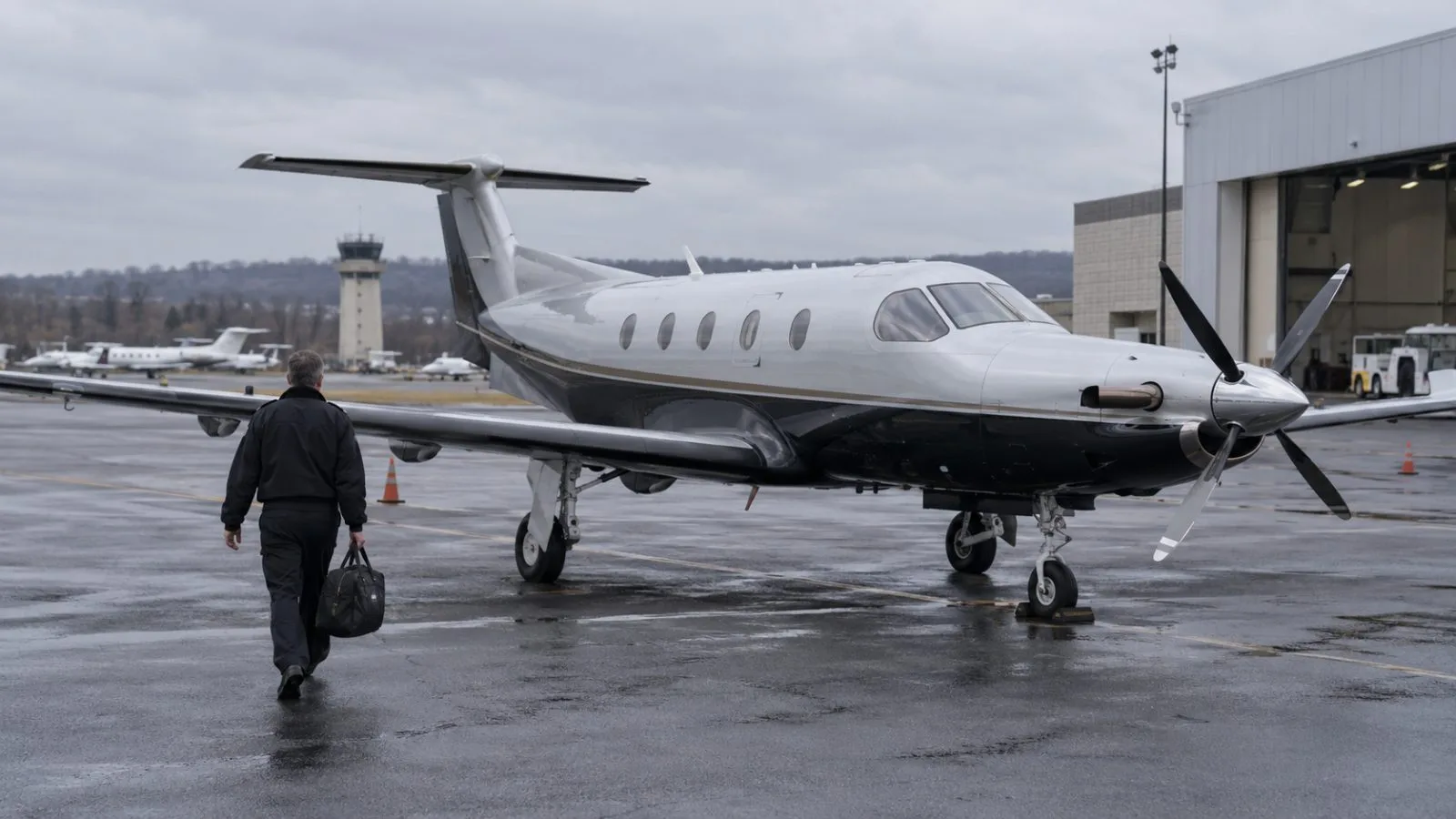
49North, a subsidiary of MDA Space, said Oct. 15 it awarded Airborne Sensing Lab (ASL) a maritime imagery contract for Canada’s Remotely Piloted Aircraft System (RPAS) project to advance automatic target classification.
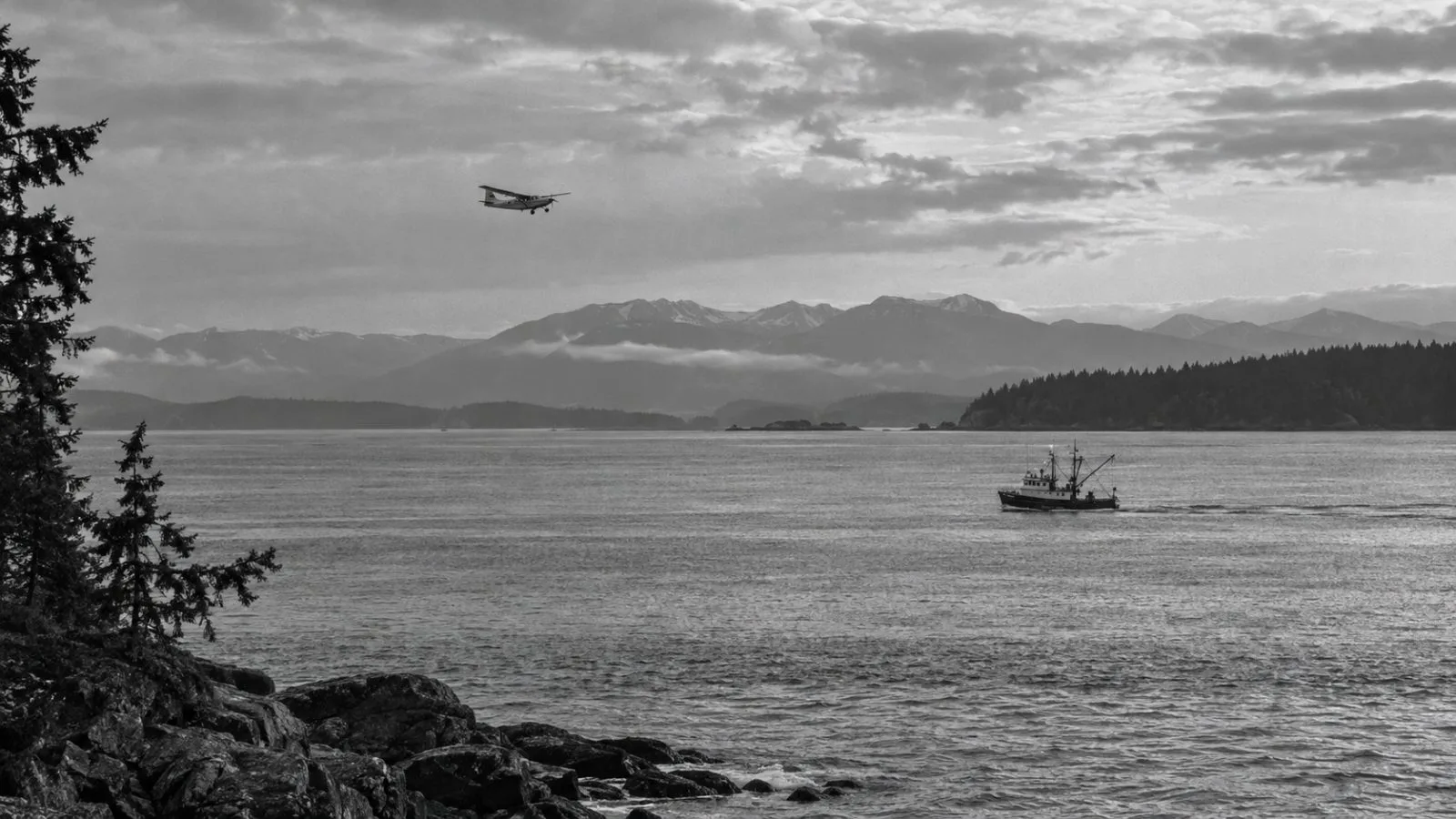
ASL plans to use an airborne platform to record vessels in the Strait of Georgia with electro-optical and infrared sensors, according to 49North. The company said the data will support work on a system that classifies targets automatically. TerraSense Analytics leads the consortium; KF Aerospace and Survive and Thrive Applied Research, a University of British Columbia initiative, are also involved.
The broader RPAS agreement between 49North and General Atomics Aeronautical Systems, Inc. is valued at $78.2 million, according to the announcement. 49North did not disclose the value of ASL’s award or identify the currency of the $78.2 million broader contract.
Team SkyGuardian Canada includes General Atomics, CAE and L3Harris WESCAM. 49North says the team aims to deliver a fleet of 11 CQ-9B Guardian aircraft, destined for the Royal Canadian Air Force, by 2028. The Department of National Defence (DND) lists early 2028 for the project’s first delivery and acceptance, a milestone separate from delivery of the full fleet. DND’s project plan also covers six ground control stations.
The RPAS project is intended to support Canadian Armed Forces intelligence, surveillance and reconnaissance operations at home and abroad. The system is designed to handle up to three concurrent lines of tasking, DND says. For fiscal 2026-27, the department plans to build an initial test version and begin qualification trials to assess it.
Canada’s Industrial and Technological Benefits policy applies to RPAS acquisition and sustainment, requiring industry investments in Canada that match the value of those contracts. DND’s status report does not say whether ASL’s award counts toward that requirement.