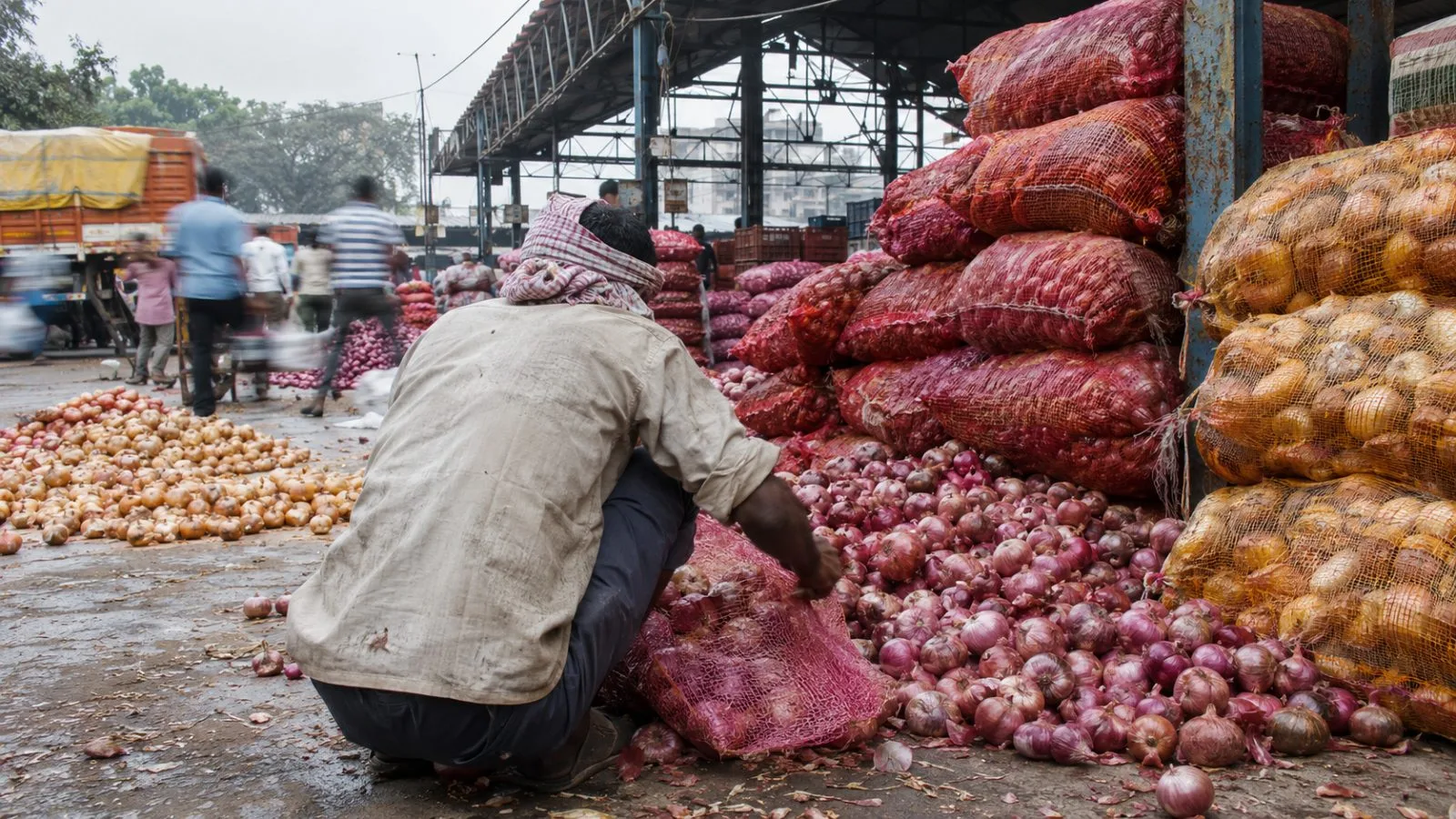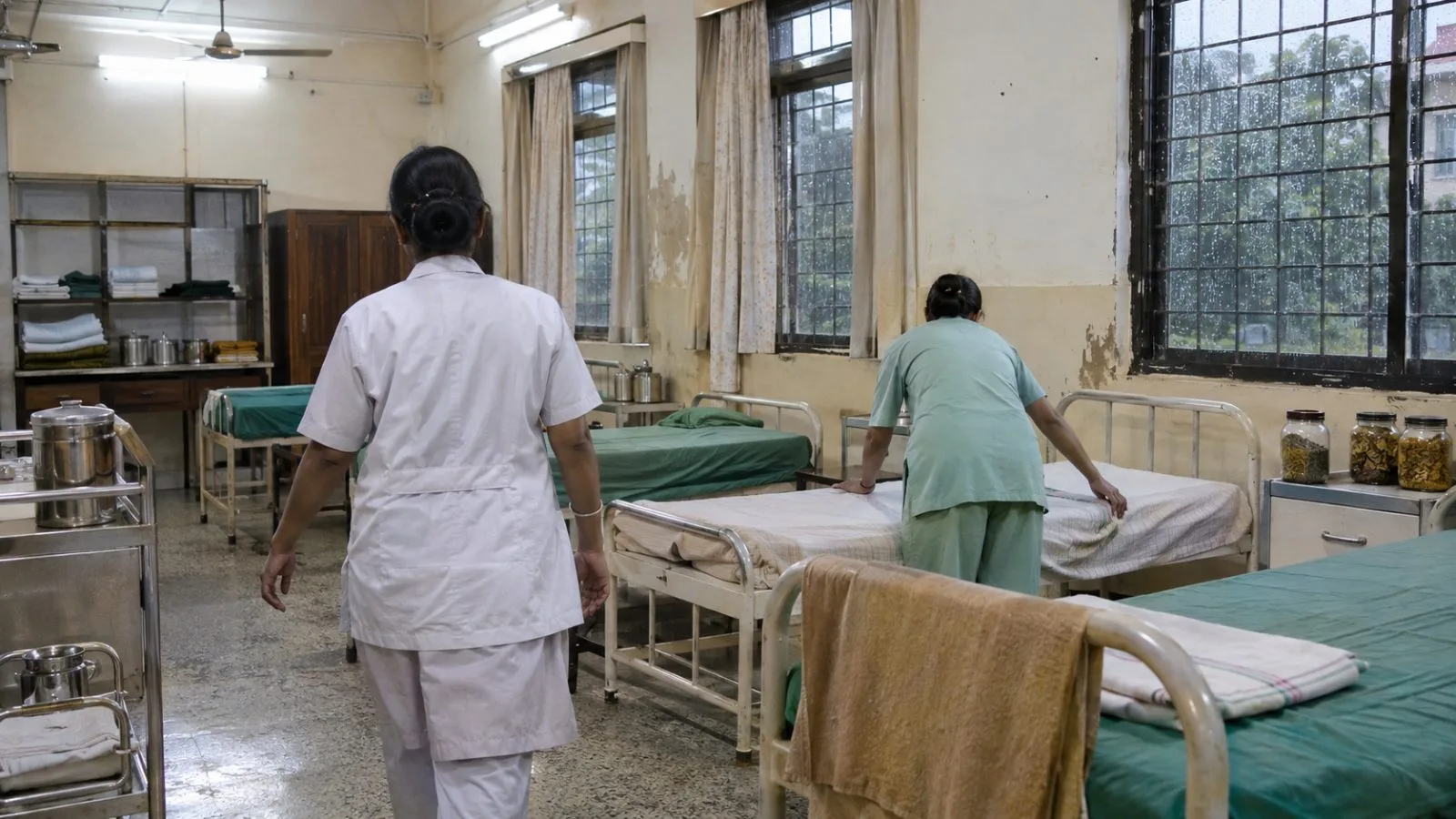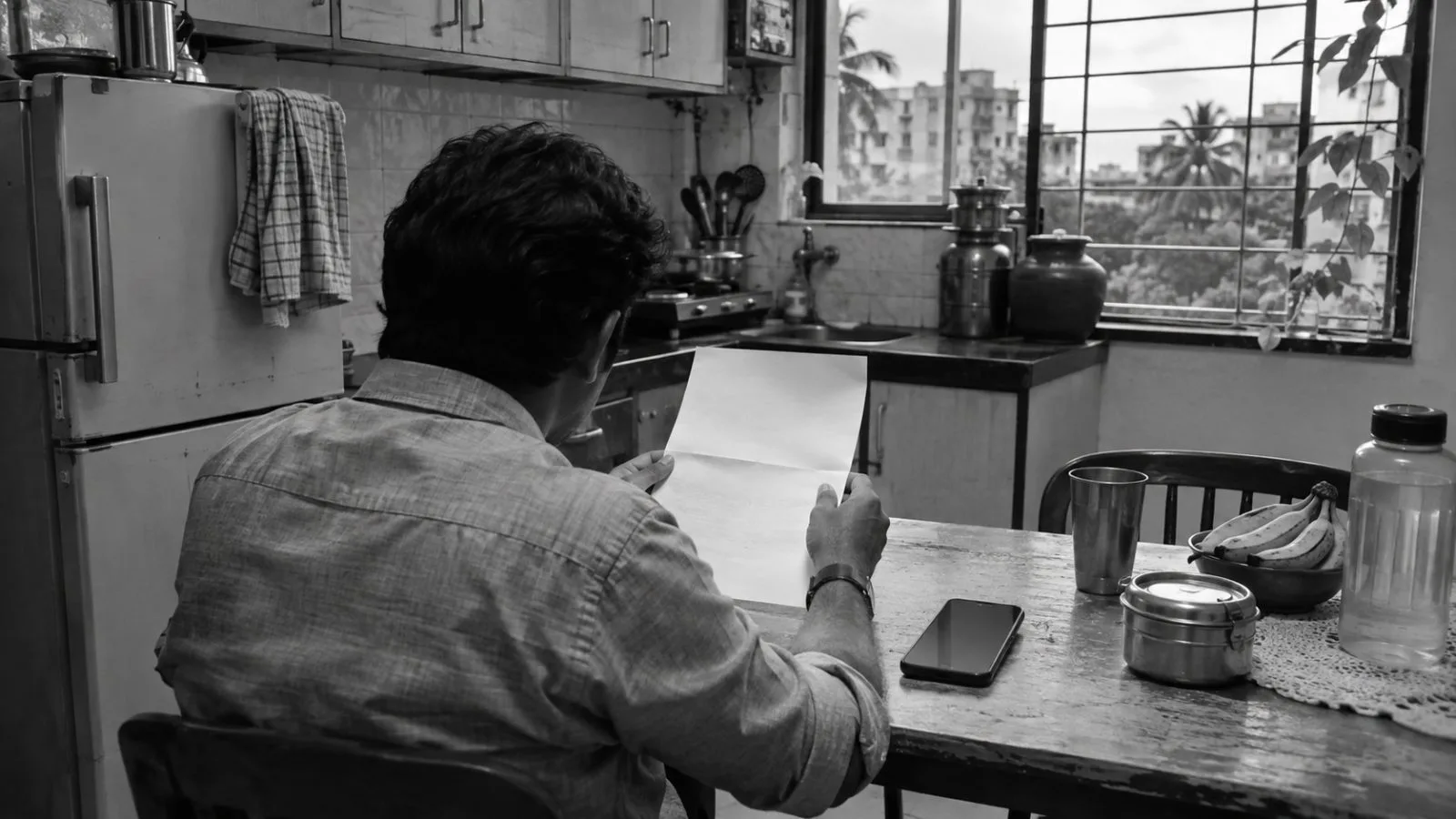
Grant Thornton Bharat's survey found that 83% of 528 respondents in India expected their reserves to fall short during a year without income, underscoring the limits of respondents' financial cushions.
The report also records confidence: 63% said they were financially stable and confident, and 84% had put at least some money into emergency reserves. The report put the contrast this way: “confidence does not always mean resilience.”
Responses were gathered from November 2025 through February 2026. People ages 25 to 44 made up 67% of the sample; 87% worked in the private sector, and 71% lived in Tier 1 cities.
Salary was the main income stream for 91% of respondents, while 29% also reported investment income. Seventy-four percent supported at least one family member, and 32% said they were the only earners in their homes. Grant Thornton Bharat pointed to reliance on one paycheck, fixed household expenses and income growth it characterized as moderate as pressures on savings. It said a prolonged loss of income could increase stress or lead to borrowing.
Inflation was another concern: 62% thought their income growth would fall behind inflation, including 70% of respondents ages 25 to 34. Retirement readiness was also limited. Overall, 83% said they were not prepared for retirement, a share that reached 92% among those under 34.
Investment activity was common alongside those preparedness gaps. The report said 82% held mutual funds and 23% invested directly in equities. It described 61% of respondents' portfolios as mostly high-risk, with exposure to stocks, crypto and mutual funds. Sixty-nine percent sometimes turned to AI tools for market-related views or ideas, while 3% often used AI-based platforms.
About 16% said they spent nothing on insurance, medical bills or parental care. Among that group, 91% had annual income below INR 1.5 million, according to Grant Thornton Bharat.