Swiss technology group ABB Ltd joined France’s Lhyfe SA and Germany-based Skyborn Renewables GmbH in developing the 600-MW SoutH2Port green hydrogen project in Sweden.
The MoU between the partners outlines ABB’s role in providing critical expertise to optimize the integration of hydrogen and electricity production across the entire ecosystem.
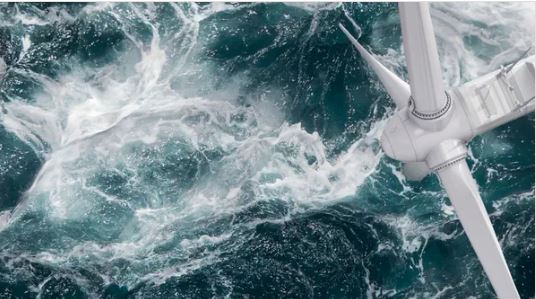
The SoutH2Port project in the Swedish municipality of Söderhamn, which will have the capacity to produce about 240 tons of hydrogen annually, will be connected to a 1-GW offshore wind farm planned by Skyborn in nearby Storgrundet.
The project will support the decarbonization of Sweden’s energy system, either directly with hydrogen supply or by further downstream production of refined fuels, including methanol, sustainable aviation fuel (SAF), or ammonia.
According to Taia Kronborg, co-founder, and chief business officer at Lhyfe, their expertise in renewable hydrogen production, Skyborn’s track record in offshore wind power coupled with ABB’s technological expertise creates new opportunities for enabling Power-to-X solutions linked with renewable hydrogen production at scale.