


 Ukraine Faces $56 Billion Budget Gap as War Costs Soar
  Gold Prices Rise as Weak US Jobs Data Cuts Fed Hike Bets
  RBI Uses $10 Billion Currency Swaps to Drain Excess Rupee Liquidity
  BOJ Set for Rate Hike as Inflation and Yen Pressure Mount
  Wall Street Rises as Oil Prices Ease, Nasdaq Hits Record
  RBI Rate Hike Bets Surge as Inflation Rises
  Oil Prices Fall as G7 Reserve Release Eases Supply Fears
  Fed’s Hammack Says Bond Yield Surge Is Not Driven by Inflation Fears
  Euro Hits 17-Month Low as France Debt Fears Boost Dollar
  China Shuts 670 Banks as Bitcoin Eyes Financial Risks
  OPEC+ Expected to Hold November Oil Output Quotas Steady
  Oil Prices Fall as Middle East Exports Recover, G7 Eases Supply Fears
  Asian Currencies Steady as Dollar Holds Near 18-Month High


 Add as a preferred source on Google
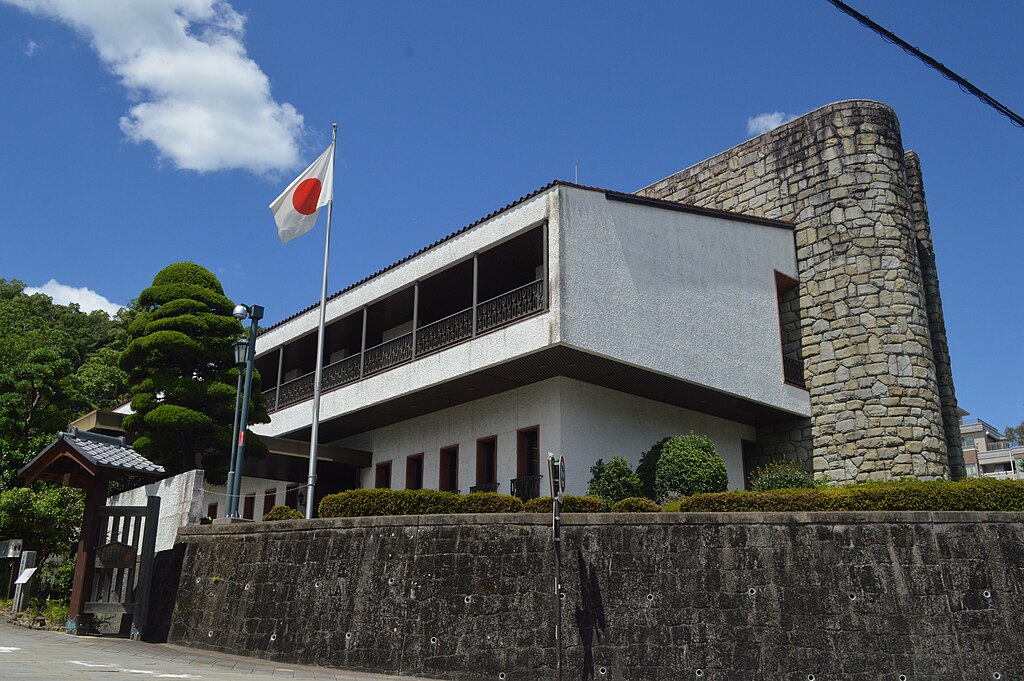
The Bank of Japan is expected to raise interest rates by 25 basis points next week, taking its policy rate to 1.25%, as policymakers grow increasingly concerned about inflation risks, according to four sources familiar with the central bank’s thinking.
A move to 1.25% at the BOJ’s September 17-18 meeting would put Japanese interest rates at their highest level in 31 years. It would also mark the second increase in just three months after the central bank lifted rates to 1% in June.
BOJ officials increasingly believe conditions support another rate hike, with Japan’s economy maintaining a moderate recovery while underlying inflation approaches the bank’s 2% target. Policymakers also expect financial conditions to remain accommodative even after a September increase.
The yen has strengthened more than 6% since the joint Japan-U.S. intervention in late July, potentially reducing imported inflation. However, Brent crude’s surge above $100 per barrel, along with the lingering effects of the yen’s earlier weakness, continues to create upside risks for consumer prices.
Reuters-polled economists expect the BOJ to raise rates to 1.25% in September, followed by 1.5% by the end of March 2027 and 1.75% during the second quarter of 2027. Markets have fully priced in a September hike, although some investors had considered the possibility of a larger 50-basis-point increase.
Sources said a 25-point move remains more likely because the BOJ sees no immediate threat of a sharp acceleration in wages and prices. Board member Kazuyuki Masu said Thursday that underlying inflation was nearing 2% but was not expected to significantly overshoot that level.
Attention will therefore turn to Governor Kazuo Ueda’s comments after the meeting for clues about future BOJ rate hikes. Officials reportedly have no predetermined terminal rate, while policymakers remain divided over how quickly borrowing costs should rise.
Japan’s annual wholesale inflation reached 7.6% in August, adding to price concerns. The BOJ currently forecasts core consumer inflation of 2.5% for the fiscal year ending March 2027, followed by 2.4% the next year and 2.0% thereafter.







