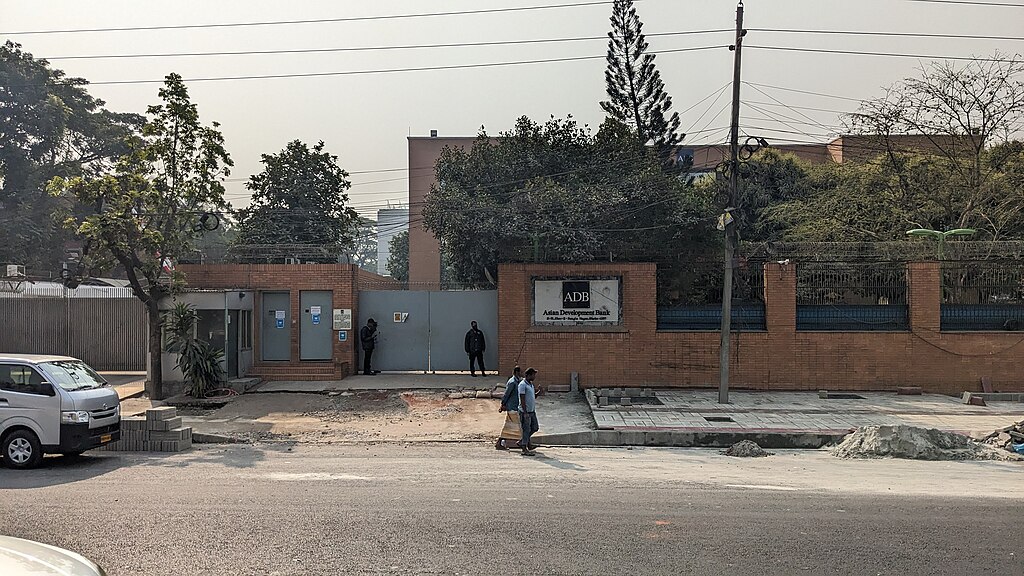
The Asian Development Bank (ADB) says the economic impact on developing Asia would likely remain limited if tensions in the Middle East and any potential closure of the Strait of Hormuz last only about a month. According to ADB Chief Economist Albert Park, current projections suggest the effect on regional economic growth would be modest and temporary.
In an interview with Reuters, Park explained that most scenarios point to a short-term negative impact but not one severe enough to significantly derail the region’s economic outlook. Even under more pessimistic projections, the disruption is unlikely to reduce developing Asia’s growth rate by a full percentage point.
Developing Asia includes 46 economies, ranging from major markets such as China and India to smaller economies like Georgia and Samoa. However, the grouping does not include Japan, Australia, or New Zealand.
The Strait of Hormuz remains one of the world’s most critical energy shipping routes, and its disruption could affect global energy markets. Around 80% of the oil and gas shipments passing through the strait are destined for Asian economies, making the region particularly vulnerable to supply disruptions and rising energy prices.
Park warned that the risks could increase significantly if the Middle East conflict continues for a longer period. A prolonged disruption could push energy prices higher, interrupt global shipping and trade flows, weaken global demand, and create volatility in financial markets.
Extended instability could also affect aviation and cargo routes, especially as airlines and logistics companies are already dealing with restrictions over Russian airspace. These additional pressures could further strain tourism-dependent and trade-driven economies across Asia.
Before the conflict escalated, the ADB projected economic growth in developing Asia to slow slightly to 4.6% this year, compared with an estimated 5.1% expansion in 2025. Inflation in the region is also expected to rise modestly to around 2.1%, up from about 1.6% the previous year.
However, the outlook remains uncertain as global financial conditions evolve. Growing geopolitical risks have already triggered a flight to safety among investors, boosting demand for U.S. dollar assets and placing pressure on Asian currencies. A stronger dollar can increase the cost of imported energy for many Asian economies.
Park said policymakers should be prepared to act if financial markets become unstable. Central banks may need to stabilize currency markets and ensure sufficient liquidity in the financial system to prevent disruptions to credit and financial conditions.
While the short-term economic impact may be manageable, the ADB cautions that a prolonged Middle East crisis could significantly increase risks for developing Asia’s economic growth, trade stability, and energy security.